 Eski Pano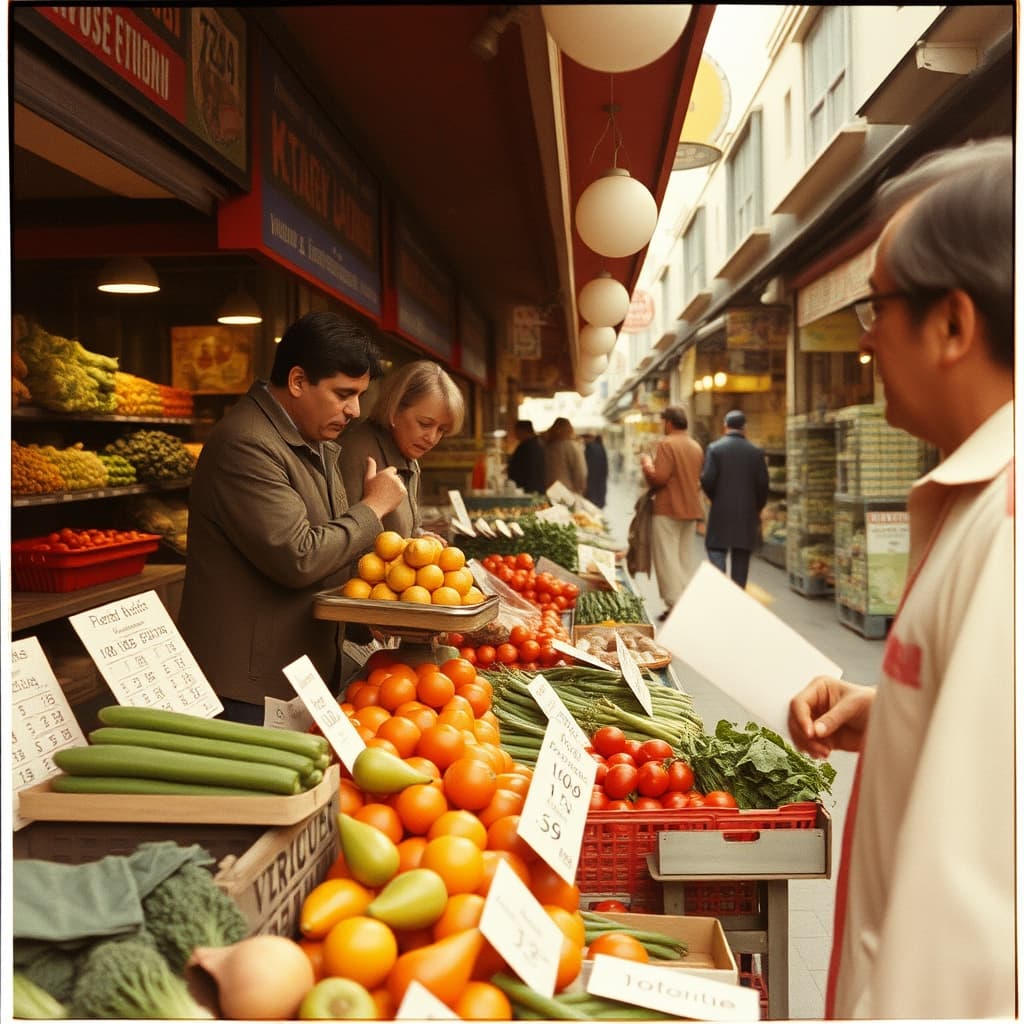
A neighbourhood market could set the rhythm of a week because one morning supplied kitchens, carried news, and brought familiar vendors back to the same streets. That familiarity did not remove the need for consumer protection. Trust depended on readable prices, accurate scales, honest tare, safe food handling, clear origins, and a way to correct mistakes without humiliating either buyer or seller.
Markets varied by municipality, decade, product, licensing system, season, street layout, and local law. Produce stalls, fishmongers, dairy sellers, textile traders, spice merchants, and second-hand vendors faced different controls. Permit registers, inspection records, scale seals, price boards, receipts, photographs, complaint files, weather data, and oral histories help identify the real market.
The Scale Had to Be Accurate and Visible
A buyer should be able to see the display, pan, or balance clearly and watch the weighing process. Mechanical and electronic scales require approved verification, suitable capacity, stable placement, zero checks, and protection from tampering. A familiar vendor's skill cannot substitute for legal metrology where measured goods are sold by weight.
Tare matters because paper, trays, bags, boxes, and containers should not quietly become paid product weight unless rules explicitly say otherwise. Prepacked goods need declared net quantity and identity. When several items have different prices, separate weighing and clear calculation reduce errors. Rounding practices should follow current law rather than local habit.
Price Information Needed the Same Clarity
Unit price, grade, variety, country or region of origin where required, and any special condition should be visible before purchase. A handwritten sign can work if it is legible and belongs unmistakably to the product. Calling out a bargain does not replace a stable displayed price, especially for people who cannot easily hear or negotiate.
Receipts or transaction records support complaints, household budgeting, vendor accounting, and product traceability. Informal markets may have used notebooks or tokens, but historical charm should not excuse missing records in modern trade. Personal data collected for orders or deliveries must be limited and protected.
Sampling and Handling Were Part of the Sale
Cut fruit, cheese, olives, sweets, and other samples introduce hand, utensil, temperature, allergen, and cross-contact risks. Vendors need clean water where required, clean tools, protected food, suitable cold holding, waste control, and truthful ingredient information. Customers should not handle produce in ways that contaminate what others will buy.
Market accessibility includes firm routes, manageable slopes, space around stalls, safe cables and awnings, seating, toilets, and information usable by people with different sensory or mobility needs. Delivery vehicles, crates, and queues should not force visitors into traffic. Assistance should be offered respectfully without taking control of a person's money or choices.
Complaint systems work best when buyers can report short weight, misleading price, unsafe food, harassment, or blocked access through a clear channel. Inspectors need proportionate procedures and documented outcomes. Vendors also deserve consistent rules, fair hearings, safe working conditions, and protection from abuse. Trust grows through transparent correction, not the claim that problems never occurred.
A Digital Nostalgia Archive can connect one market photograph with permits, vendor names, products, price boards, scale verification, tare practice, receipts, hygiene inspections, access routes, worker conditions, complaints, weather, and family shopping lists. The market stayed vivid because measurement turned abundance into household decisions. Preserving its rhythm means keeping colour and conversation beside the practical systems that made a kilo, a price, and a promise credible.