 Eski Pano
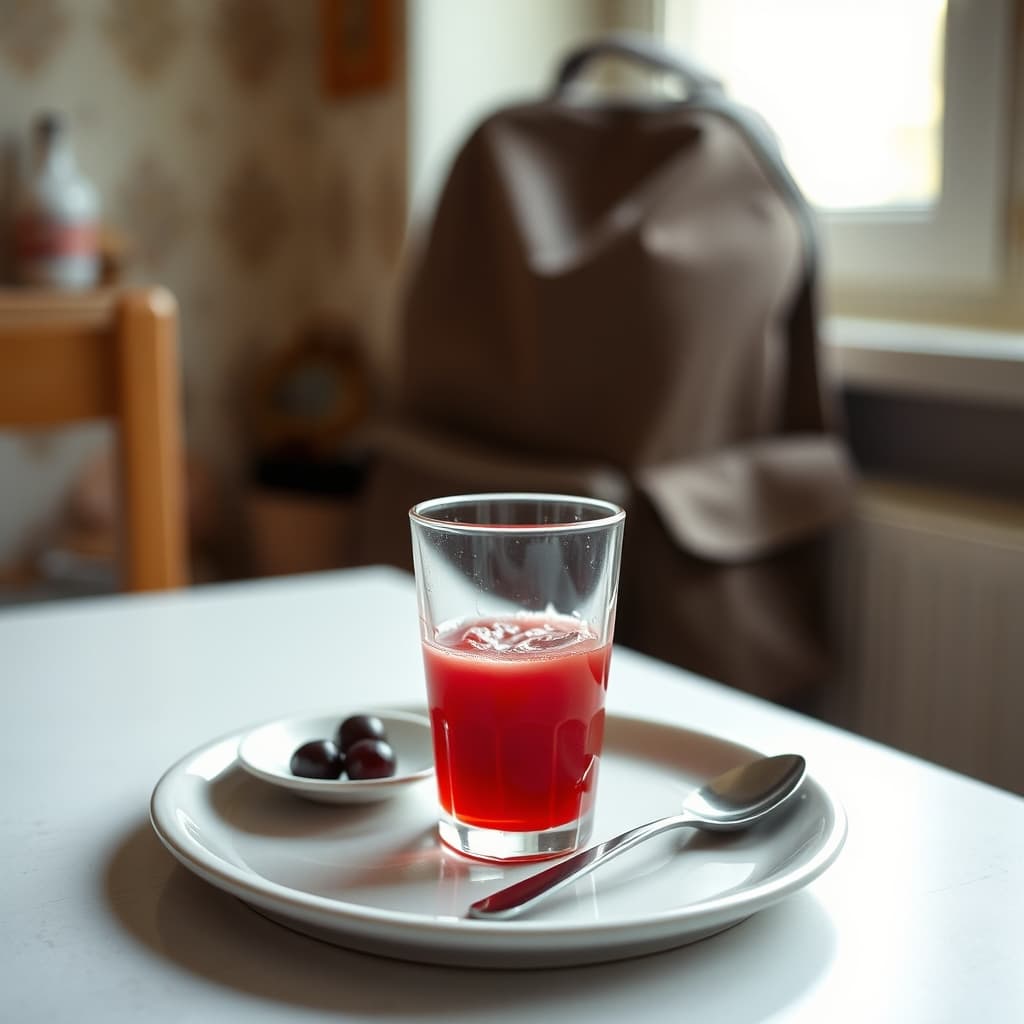
A glass of homemade sour-cherry sherbet after school could seem to belong to two times at once. It was part of the afternoon in front of the child, yet its colour and tartness could recall the cherries associated with another part of the year. The serving joined the present pause to an earlier kitchen memory.
That connection should not be mistaken for a fixed preservation method. A household might prepare and serve sherbet in different ways, and the actual recipe determines its history. The cultural point is the association: a familiar drink could bring a fruit season into attention even when the surrounding day felt different.
The Colour Arrived before the First Sip
The vessel made the sherbet visible as a portion. Where a clear glass was used, the red liquid could catch the light; another serving vessel would offer a different view. Recognition began through that particular presentation rather than an abstract idea of sour cherries.
The first sip then added the balance of sweetness and tartness. The family’s version could be familiar without being identical on every occasion. A child might recognise the drink through the way it was offered, while noticing that this serving tasted a little different.
A remembered spoon beside a plate belongs to the wider after-school scene, not necessarily to the act of drinking. The sherbet could accompany something else to eat. Keeping those roles distinct avoids turning a liquid into an imagined dessert merely to fit a phrase remembered about the table.
The Fruit Had Another Place in the Household’s Year
Someone might connect the drink with a time when cherries had been present in the kitchen. The recollection could concern seeing the fruit, hearing it named or watching another person work. Its details should come from the family account rather than a picturesque preparation scene supplied afterwards.
The child who enjoyed the glass might not know how it had been made. Another person’s earlier work reached the table as something ready to serve. The seasonal association therefore included unequal knowledge: one person remembered preparation, another remembered the drink waiting after school.
That difference can make a family recipe meaningful across generations. Asking about the familiar flavour later could lead to the maker’s description of ingredients and choices. The memory opened a question rather than providing all the information itself.
A Changing Afternoon Could Sharpen Recognition
When the weather or daily routine changed, a familiar serving might become more noticeable. A child arriving home with different clothing or a different amount of daylight could still meet the same named drink. The contrast gave continuity a visible setting.
This does not establish that sherbet belonged exclusively to one season or every household served it throughout the year. A particular recollection can cross seasons without becoming a universal calendar. Its force lies in what this serving brought back for the person encountering it.
The pause also remained an ordinary part of returning from school. Books, a bag and other tasks could wait nearby. The drink did not need to mark a festival or exceptional occasion to retain a clear place in memory.
Homemade sour-cherry sherbet carried the season through recognition rather than through a date on the glass. Its red colour and familiar tartness connected an afternoon’s serving with fruit and work remembered elsewhere in the year. The first sip belonged to now; the association allowed another kitchen moment to arrive with it.