 Eski Pano
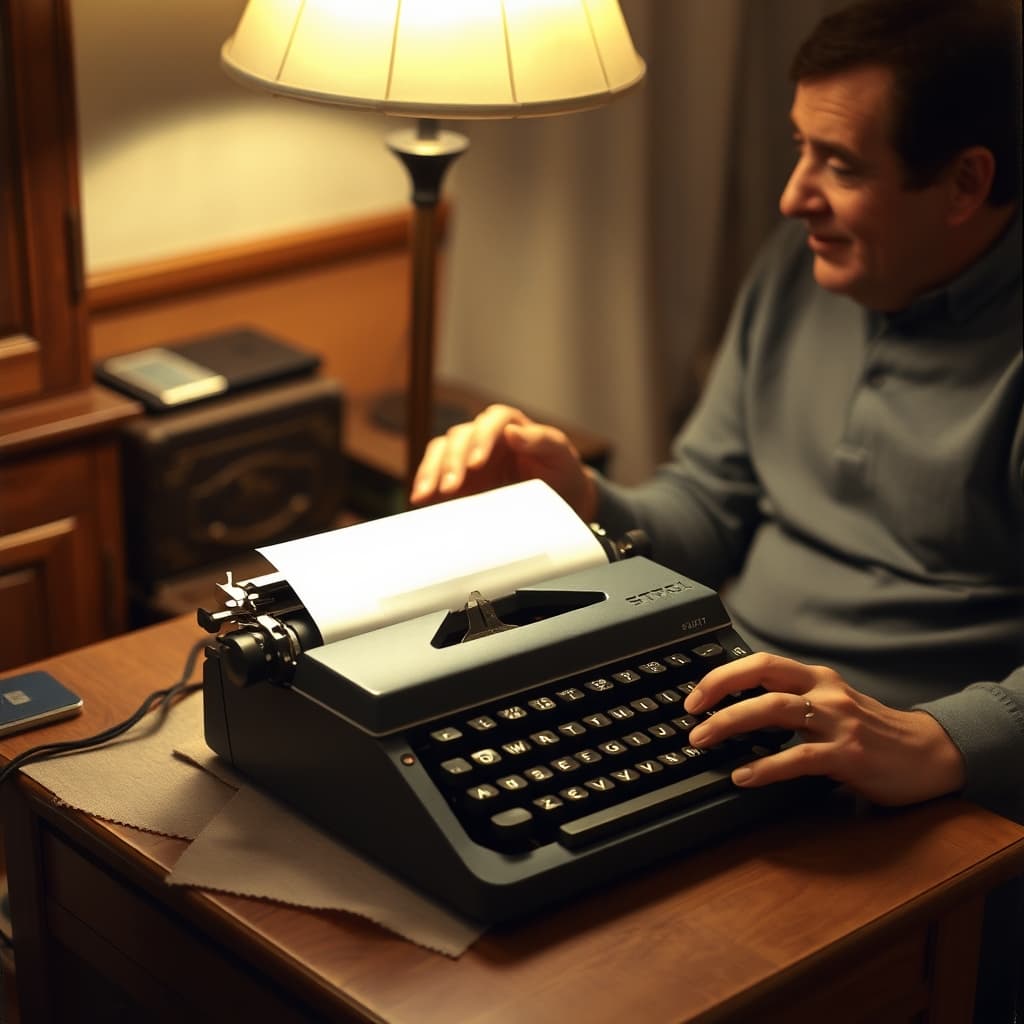
A page left in a typewriter could preserve the exact place where writing had stopped without preserving the thought that was meant to follow. The words remained visible. Returning later, the writer still had to recover the sentence’s direction before another key made a new mark.
This distinction belongs to the everyday habit of using a daktilo. The machine held a physical page, but it did not hold an intention complete and ready to resume. The pause between sessions became part of composition, linking the visible line to the less certain work of remembering what one wanted to say.
The Existing Words Became Something to Read
While writing, the typist had been making the line. On returning, they first encountered it as a reader. A phrase that had seemed clear in progress could now look incomplete or lead somewhere different. The same marks took on another role simply because time had passed.
Reading from a little earlier in the paragraph could help recover the direction. The page supplied context, not only the last word. The habit therefore involved more than sitting down and continuing from a mechanical position. The sentence had to become meaningful again.
The actual machine and task varied. A personal letter, a draft or a practice page asked different things of the writer. No particular keyboard, power system or model is needed to explain this pause. The typewriter’s identity should come from the object rather than from a generic picture of old office life.
Continuing Did Not Always Mean Keeping the Plan
The next words might follow the earlier intention, or the writer might change course. Seeing the unfinished sentence could expose something they no longer wanted to say. A pause could therefore produce revision even when nobody had planned to revise.
That revision was not automatically a dramatic struggle with the machine. It could be a small decision to finish the thought differently, leave the page as a draft or begin again elsewhere. The importance lies in separating the page’s persistence from the writer’s freedom to reconsider it.
A surviving sheet cannot reveal every thought behind its stopping point. A break in the line does not prove interruption by a visitor, fatigue or dissatisfaction. Those reasons need an account. The visible evidence establishes where the marks stop, not why the person left.
A Habit Survived beyond the Machine
The practice of reading back before continuing could remain familiar even after a typewriter was no longer used. It was an approach to writing learned through repeated returns: look at what is already there, recover its movement and decide whether to continue it.
The sound of keys might dominate a later recollection, yet the silent interval mattered too. The typist could spend time looking at the sheet before touching the keyboard. That stillness belonged to the work rather than standing outside it as inactivity.
Someone else seeing the machine might recognise only a page waiting to be finished. For the writer, the visible words could be a question. The object offered continuity while asking the person to supply meaning again.
Typewriter days remained memorable partly through this relationship with an unfinished page. The sentence did not disappear when the writer stood up, but neither did it finish itself. Returning meant meeting one’s own words at a small distance, then choosing which new marks deserved to remain beside them.