 Eski Pano
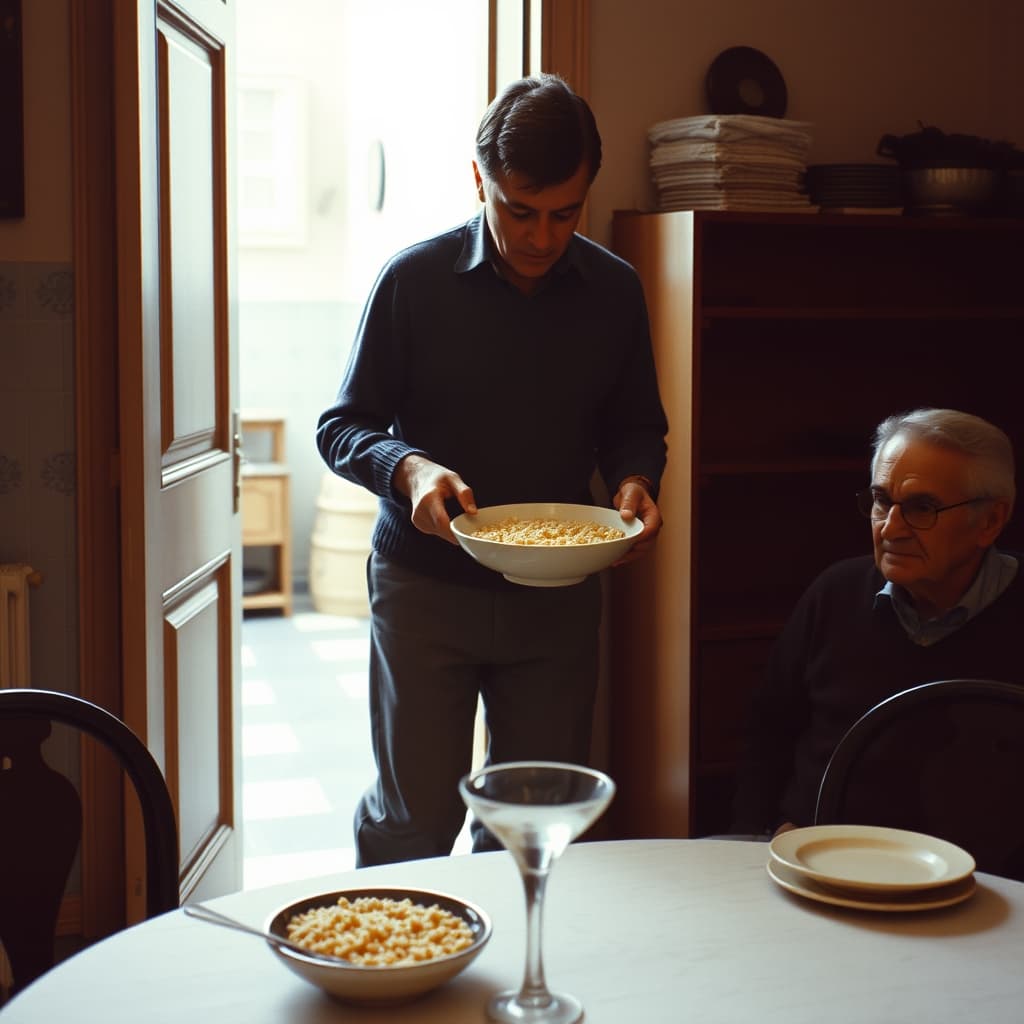
By the time semolina helva reached the table, somebody in another part of the home might already have recognised what was being prepared. The aroma arrived without the serving bowl. It connected the kitchen to people who were not watching the work, giving the dish a presence before it was ready to be shared.
That interval is part of the memory of a house filled with one familiar smell. It was not necessarily one instant experienced by everyone. The person preparing the helva encountered the process at close range; someone farther away noticed only a stage of it. The table received the dish later than either of them.
Recognition Could Happen beyond the Kitchen
A familiar aroma could lead somebody to look towards the doorway or ask what was being made. Recognition might be confident or uncertain. Other dishes, an open door and the person’s position affected the encounter. A remembered smell should not be treated as proof that every room received it equally.
The association also depended on earlier meals. A person who knew the household’s helva could connect the aroma with an expected taste before seeing a portion. Someone unfamiliar with the preparation might notice something pleasant without naming it. The same moment offered different levels of recognition.
The Cook Had Not Yet Finished
For the person in the kitchen, being noticed from another room did not mean that serving could begin. There was still work to complete according to the particular household method. Anticipation elsewhere and readiness at the stove were not the same thing.
This difference gives the remembered scene its practical weight. The person enjoying the smell might be waiting comfortably, while the person producing it remained occupied. Calling the aroma a sign of care should not make that work disappear into an effortless idea of home.
Ingredients and methods differed between families. The actual account should establish the grain, fat, liquid and any additions rather than attach one universal recipe to the smell. A familiar family preparation could also vary between occasions without losing its name.
The Serving Bowl Changed the Encounter
When the helva finally arrived, the table gained a visible shape and a particular portion. The aroma that had suggested a dish was now accompanied by colour, texture and the utensil used to serve it. The first spoonful answered anticipation in a different sensory form.
A diner might find that the remembered pleasure belonged partly to waiting rather than only to eating. The meal had begun in attention before it began on the plate. Conversely, the cook might remember the relief of reaching the serving stage more clearly than the household’s first recognition.
The serving vessel could become part of later memories too. A dish associated with repeated helva occasions might be recognised even when empty. Its connection came from those actual uses, not from a requirement that old-style helva always be presented in one particular form.
An account of the evening can therefore follow several arrivals: the aroma beyond the kitchen, the bowl at the table and the first portion taken. Each stage adds something the previous one did not offer. Together they explain how one preparation could seem to occupy more of the house than the space in which it was made.
Semolina helva filled the remembered home through that sequence of recognition and work. The aroma crossed the room before the cook could, carrying a suggestion of what was coming. When the bowl arrived, it brought the two experiences together: the task completed in the kitchen and the expectation already waiting at the table.