 Eski Pano
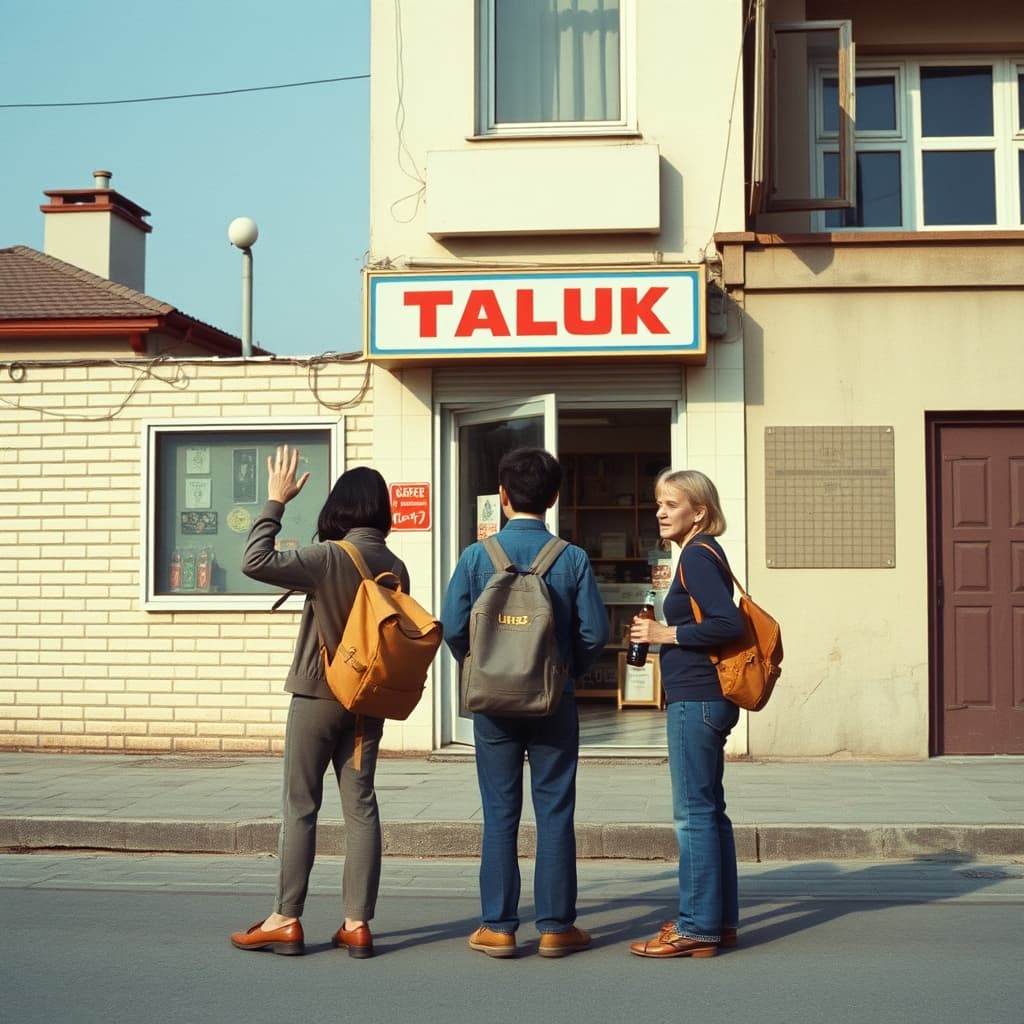
An after-school gazoz break could hold a group together for a few minutes without giving everybody the same time to spare. One friend had to leave while another was still finishing. The school day had ended together; the routes home and the expectations waiting there were already pulling apart.
The warmth remembered around the stop came partly from making room for this short interval. Friends did not need to arrange a visit or invite one another indoors. A neighbourhood shop along their route gave company somewhere to continue before each person returned to a separate household.
The Purchase Was Not the Whole Pause
Buying a drink gave the stop a practical beginning, but conversation could last beyond the transaction. A comment about school or a plan for later belonged to the group’s ongoing relationship, not to the product alone. The setting allowed those words to happen in passing.
The shopkeeper had work to do while the friends lingered. Their pause took place beside a business, not in a space created solely for them. A remembered welcome can include that difference without making the seller a permanent host to every conversation.
Not every child bought something, and participation should not be imagined as identical. Household permission, available money and the route itself affected who could stay. A memory of easy company is fuller when it does not make a purchase the measure of belonging.
Somebody Had to Be First to Leave
An early departure might be ordinary rather than disappointing. A family expected someone home, another task waited or the person’s road branched off. The group did not need to interpret every shorter stay as a lack of interest.
Still, leaving could change the conversation. A topic was interrupted, a greeting became a farewell, and the remaining friends adjusted to one fewer voice. The stop was a moving arrangement rather than a fixed group portrait.
For the person walking away, the pause could continue briefly through hearing the others behind them. Then the route home took over. This small transition helps explain why a short stop could remain vivid: it sat at the boundary between the shared school day and the different afternoons that followed.
Today’s Streets Offer Different Chances to Linger
Comparing that scene with a modern residential development requires more than assuming that people used to be kinder. A local shop on a walking route, an entrance that allowed a brief stop and overlapping departure times created a particular opportunity. Different layouts can distribute those opportunities differently.
Some present-day places support equally familiar encounters; others offer few reasons to pause outside private homes. The comparison is about how people meet as well as whether they want to meet. A memory cannot establish that every older neighbourhood was warm or every newer one lacks companionship.
The gazoz stop is useful because it identifies a small social form: company without a formal visit, attached to an everyday route and open to departures at different times. Recreating its value need not mean reproducing the same drink or the same shop.
What the friends shared was a short stretch of being available to one another. One left, another stayed a little longer and the gathering gradually became separate journeys home. The warmth was not that nobody had to go. It was that there had been somewhere ordinary to remain together before going.