 Eski Pano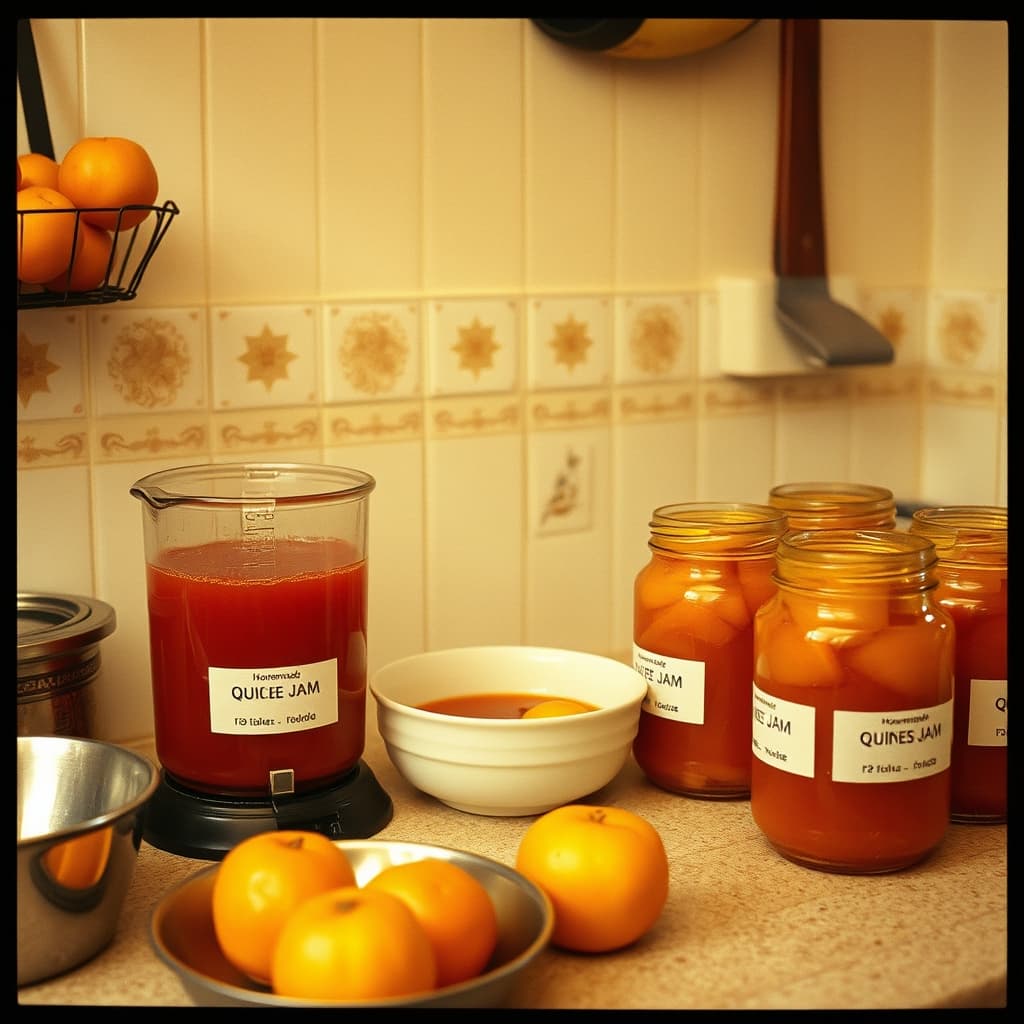
The red-gold colour of homemade quince jam can represent an entire kitchen, but colour and sweetness do not prove that a jar is safe at room temperature. Cupboard storage depends on a tested recipe, ingredient proportions, acidity, container, heat process, seal, and local preservation guidance. When those facts are missing, refrigeration is the cautious default rather than an insult to tradition.
Quince preparations vary between fresh compote, refrigerator jam, reduced-sugar spread, traditional high-sugar preserve, fruit paste, commercial product, and heat-processed shelf-stable jar. Fruit variety, ripeness, water, sugar, lemon, pectin, batch size, altitude, and equipment change the outcome. The exact method must be recorded before storage advice can be meaningful.
A Family Recipe Needs Measured Ingredients
Use sound fruit without mould, rot, pest damage, or leaking areas. Wash appropriately and remove damaged fruit rather than trying to hide it in a cooked batch. Weigh fruit, sugar, water, acid, and added pectin instead of relying on an unrecorded bowl or spoon. Altering sugar or acid can affect set and preservation, not only taste.
A tart flavour does not establish a safe pH, and a firm gel does not prove shelf stability. Tested preservation recipes account for acidity, heat penetration, jar size, headspace, processing time, and sometimes altitude. If a recipe is intended for the refrigerator or freezer, a tight lid after hot filling does not convert it into a cupboard preserve.
A Sealed Lid Is One Part of a Process
Jars and closures should be intended for preserving, clean, undamaged, and prepared according to the validated method. Chips, cracks, rust, bent lids, reused commercial caps, and decorative jars can fail. Hot jam and glass create burn and breakage risks, so use stable equipment, heat protection, and a clear workspace away from children.
After the prescribed process and cooling period, inspect seals without disturbing them unnecessarily. Label each jar with product, ingredients, batch, preparation date, method, and storage instructions. A sealed jar from an unknown recipe should not be assumed safe merely because the centre of the lid appears depressed.
Opening Changes the Storage Decision
Once opened, the jar is exposed to utensils, crumbs, moisture, hands, and air. Use a clean spoon, avoid returning served jam, close promptly, and refrigerate according to the recipe or product guidance. Record the opening date. Serving directly from a shared jar increases contamination and makes it harder to judge how long the contents have been in use.
Bulging, leakage, an unsealed lid, spurting, unexpected bubbles, mould, off-odour, unusual colour, or abnormal texture can indicate spoilage. Do not taste a suspect preserve to test it, scrape mould from the surface, or try to rescue the jar by boiling again. Isolate it and follow current local food-safety guidance for disposal.
Sugar content matters for dental health and individual dietary needs. Reduced-sugar versions require a recipe specifically designed for that formulation. Lemon, commercial pectin, spices, nuts, shared utensils, or accompanying foods may introduce allergens or intolerances. Clear ingredient labels and moderate portions make family service more inclusive.
A Digital Nostalgia Archive can connect a quince-jam jar with fruit source, harvest, ingredient weights, tested recipe, batch, cook, equipment, jar and lid, processing conditions, seal check, storage, opening date, serving custom, and any discarded jar. Old kitchen culture becomes stronger when its method is traceable. The cupboard or fridge decision should follow evidence from the actual batch, not the romance of a bright lid on a shelf.