 Eski Pano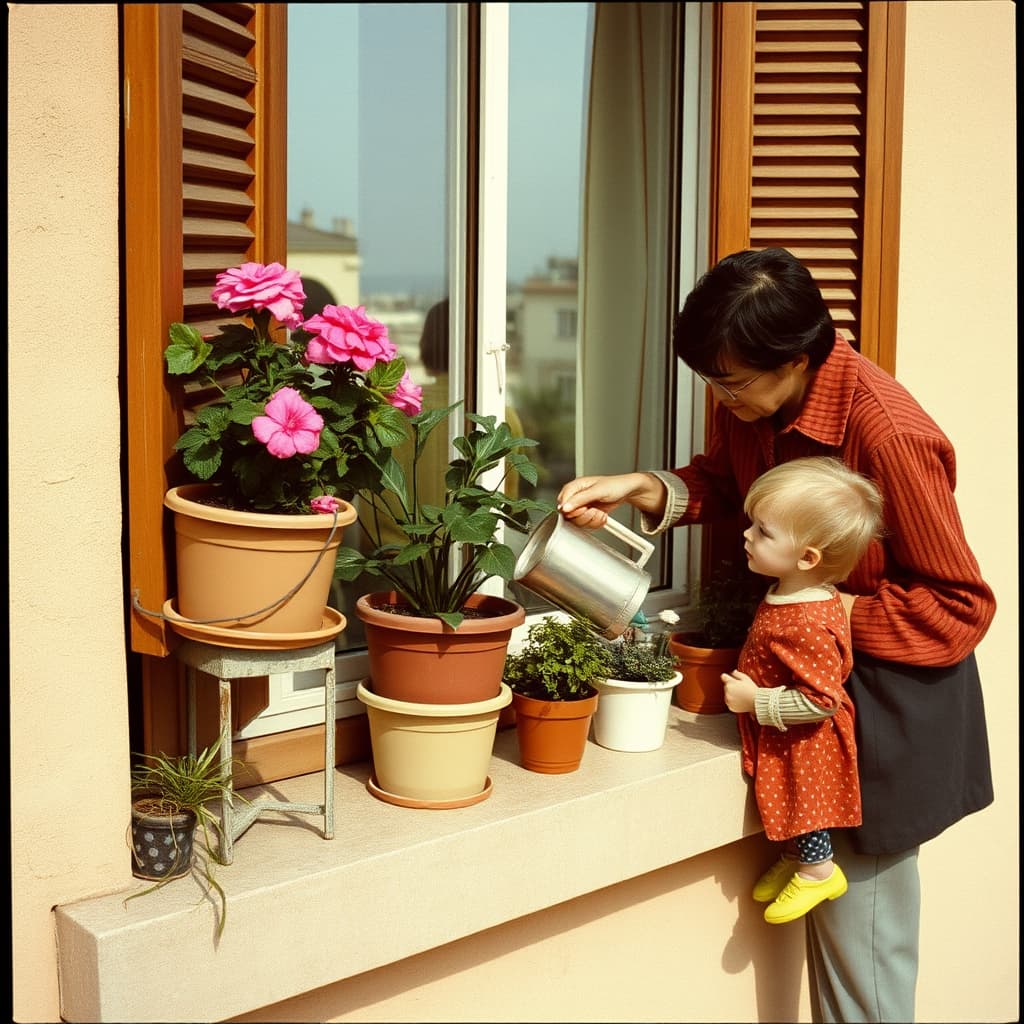
A row of flower pots can make a window memorable to children because it brings colour, scent, watering, and seasonal change close to daily life. That warmth depends on practical controls. A pot placed above a pavement can fall, overflow onto neighbours, block an escape route, expose a child or pet to a toxic plant, or trap moisture against a building surface.
Windowsills differ by material, projection, slope, height, fixings, exposure, building rules, and climate. Indoor ledges, recessed balconies, exterior stone sills, metal boxes, and improvised shelves do not carry the same loads. Building plans, condition inspections, tenancy rules, plant labels, weather records, photographs, and resident testimony help define a safe arrangement.
The Structure Must Carry the Wet Weight
A pot is heavier after watering, and saturated soil adds considerable load. Cracked stone, corroded brackets, loose boards, rotten timber, or narrow sloping ledges require professional assessment. Containers need compatible restraints that resist sliding, tipping, vibration, and wind without drilling blindly into historic fabric or relying on string that degrades in sunlight.
Nothing heavy should sit where a child can pull it inward or push it outward. Window restrictors and guards must meet local safety requirements and should not create climbing opportunities. Plant stands, chairs, and storage boxes can give children access to an open window. Supervision does not replace a secure physical arrangement.
Plant Identity Is a Household Safety Record
Common ornamental plants may irritate skin, harm eyes, or be toxic if chewed by children or animals. Labels should retain the botanical name when possible, because common names vary. Placement depends on the household, and suspected exposure requires prompt advice from the relevant poison or veterinary service rather than a home remedy.
Soil, fertilisers, pesticides, sharp stakes, broken ceramic, and stagnant saucers also create risks. Use products according to current instructions, store them away from children and food, and avoid casual chemical spraying near open windows. Integrated pest management can begin with inspection, cleaning, isolation, and suitable plant care.
Water Must Have a Planned Destination
Drainage protects roots but uncontrolled runoff can stain façades, damage masonry, create slippery pavements, wet laundry, or fall onto people below. Saucers need capacity and regular emptying without becoming mosquito habitat. Watering should match the plant and weather, not a fixed ritual that leaves walls continuously damp.
Repeated moisture can encourage mould indoors, corrode metal, rot timber, and worsen frost damage. Condensation at winter windows requires ventilation and building assessment, not merely more absorbent cloths. Residents should report leaks and structural deterioration rather than hiding them behind foliage.
Wind and storms can overturn pots, snap branches, or lift lightweight trays. Move vulnerable containers to a secure location before severe weather without blocking corridors, stairs, or fire exits. Dry plants and decorative materials should remain away from heaters, candles, electrical equipment, and ignition sources. Emergency access always takes priority over display.
A Digital Nostalgia Archive can connect a windowsill photograph with building type, sill material, load assessment, pot restraints, plant species, family carer, watering method, child and pet precautions, weather, neighbour agreements, and later repairs. The childhood memory lasts because care was visible every day. Recording that care honestly means showing how beauty, building safety, health, accessibility, and consideration for people below were kept in balance.