 Eski Pano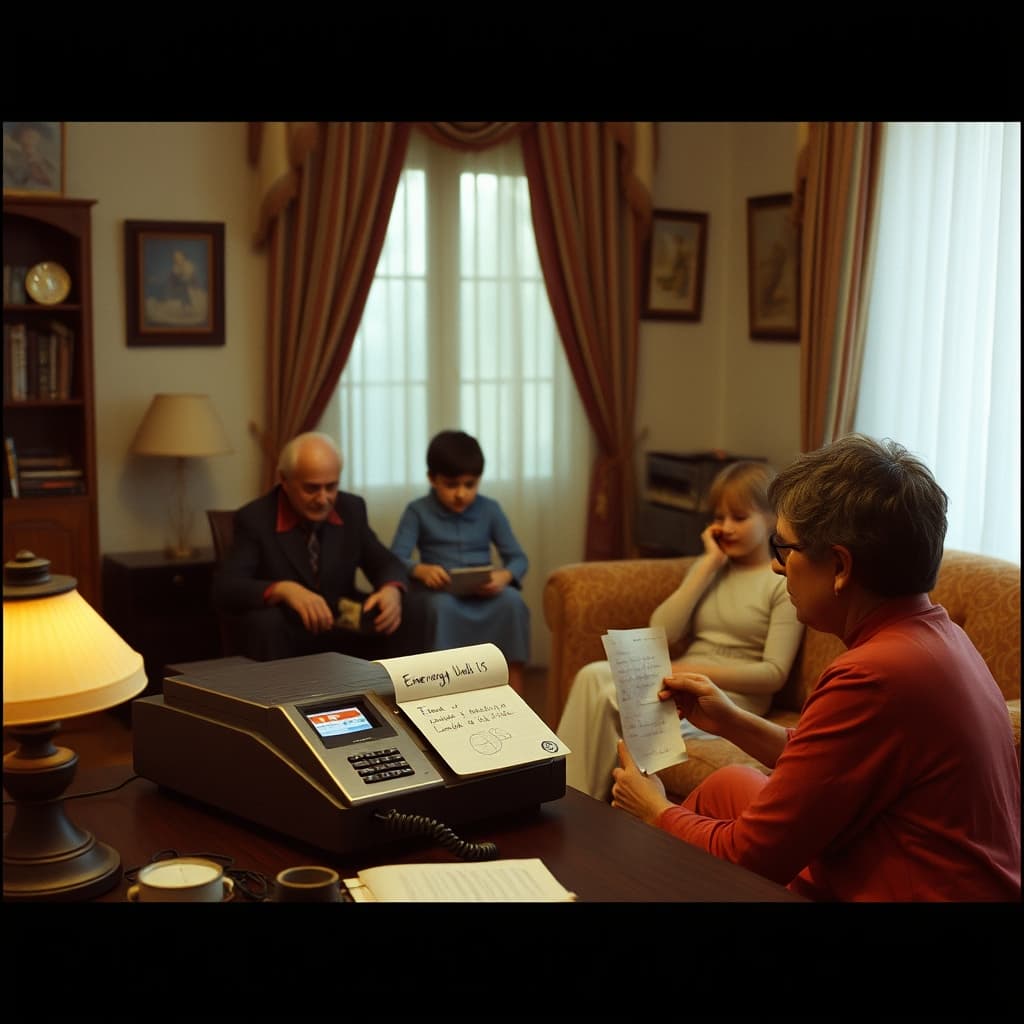
An answering machine let a household hear an absent caller later, but the delay that made it convenient also made it unsuitable for emergencies. A message could wait on a full tape, disappear during a power failure, become inaudible, or be heard by the wrong person. The machine offered storage, not continuous monitoring, dispatch, or guaranteed help.
Devices varied by separate or built-in telephone, cassette or digital memory, number of mailboxes, remote access, power backup, recording length, and network. Home machines, small-business systems, medical offices, and institutional voicemail had different duties. Manuals, outgoing-message scripts, tapes, call logs, repair records, and family accounts identify one system's actual limits.
The Greeting Needed Honest Expectations
A useful outgoing message identified the household or service only as far as privacy allowed, stated that the call could not be answered, and gave a realistic callback expectation. It should not imply that messages were monitored constantly. Where urgent situations were foreseeable, callers needed the correct emergency or on-call route under current local guidance.
Long greetings, excessive ring delays, unclear speech, loud music, and background noise could consume caller time or confuse people with hearing, language, memory, or cognitive differences. A concise message, steady volume, and repeated essential information improved access. Text or relay alternatives might still be necessary.
Silence Could Mean Several Failures
No message did not prove that nobody called. The tape might be full, tangled, erased, or incorrectly inserted; digital memory could be exhausted; a microphone might fail; the time stamp could be wrong; power or telephone service could be interrupted. Routine tests from another line and documented maintenance were more reliable than waiting for a complaint.
Remote playback introduced passwords, audible tones, shared codes, and the risk of accidental deletion. Default or easily guessed codes exposed private messages. Household members needed clear rules for who could listen, erase, save, or return calls. Children should not be expected to triage adult medical, financial, or safeguarding messages.
Message Triage Was Human Work
Listening in order was not always enough. A caller might describe distress calmly, omit a callback number, or assume the recipient recognised a voice. The listener needed a written process for names, numbers, dates, actions, and escalation, especially in a business. Uncertainty about immediate danger should be handled through appropriate emergency guidance, not delayed while seeking perfect information.
Messages could reveal relationships, health, money, addresses, travel, or workplace matters to everyone in the room. Speaker volume, shared living spaces, retained tapes, remote codes, and discarded cassettes all affected confidentiality. Consent and retention rules matter before an archive publishes a caller's voice, even if the recording was found in a family drawer.
A callback should verify identity and purpose before disclosing information. Caller identification can be absent or misleading, and a recorded voice is not automatic proof. Sensitive requests involving money, passwords, documents, or urgent travel deserve an independent contact route. The original message, return attempt, and outcome may need a record in professional settings.
A Digital Nostalgia Archive can connect an answering machine with its model, greeting, tape or memory, capacity, test routine, power history, access code policy, listeners, message log, callback, retention decision, and consent. The beep changed family evenings because absence could leave a trace. Preserving that excitement responsibly means remembering that a stored voice was neither immediate contact nor a promise that help was on the way.