 Eski Pano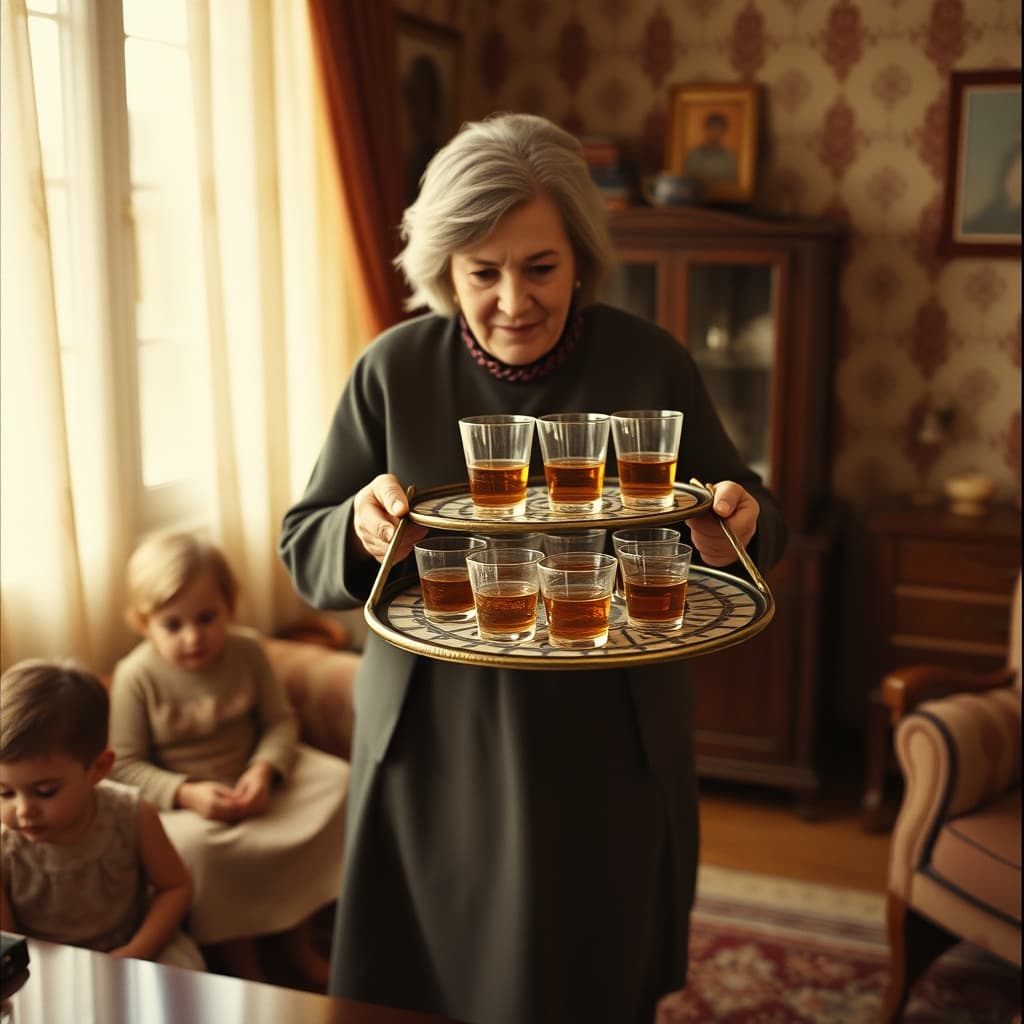
A patterned tea tray can become a family heirloom because it appears in hundreds of ordinary visits, but repetition can hide risk. Hot tea, narrow glasses, polished floors, loose handles, crowded rooms, and children moving unpredictably can turn service into a scald injury. Protecting the tray's story begins with protecting the people around it.
Trays vary by steel, aluminium, brass, copper, enamel, wood, plastic, paint, transfer print, size, rim, and handle design. Repairs, corrosion, warping, worn finishes, and decorative edges affect use. Maker marks, family photographs, purchase memories, repair evidence, and material assessment help decide whether an old tray should carry drinks or remain on display.
Inspection Comes before the Kettle
Check that the base is flat, the rim is intact, handles are firmly attached, and no sharp edge, loose foot, flaking coating, or unstable repair is present. A tray flexing under light pressure should not be loaded with hot liquid. Valuable or uncertain metal finishes need specialist advice before aggressive cleaning or food-service use.
Cleanliness matters because trays contact saucers, spoons, sugar, and hands. Use a cleaning method compatible with the material, rinse where appropriate, and dry thoroughly. Abrasives, acidic mixtures, metal polish, and dishwashers can remove decoration or leave residues. A conservation tray may need a separate modern insert or replica for actual service.
Balance Is Designed before Lifting
Arrange glasses symmetrically, keep the heaviest items near the centre, use stable saucers, and avoid stacking spoons where they can slide. Do not fill glasses to the brim. A separate trip for the teapot, boiling water, or extra servings may be safer than proving everything fits at once.
The carrier needs dry hands, secure footwear, an unobstructed view, and a comfortable load. Two functional handles do not guarantee that one person can manage the weight. People with reduced grip, tremor, pain, limited vision, or balance differences should choose a smaller load, trolley, table service, or assistance without embarrassment.
The Route Is Part of Tea Service
Before lifting, clear toys, cables, rugs, stools, pets, and bags. Open doors, identify a stable destination, and ask seated guests to leave a passage. Children should not run through the route or receive a hot glass across another person's body. Carrying above head height or stepping backwards increases danger.
Set the tray on a level heat-resistant surface away from edges. Serve the nearest stable glass first without reaching across people. Warn guests that the drink is hot and allow cooling time. Older adults, young children, and anyone with reduced sensation or coordination may need a safer temperature, different cup, or direct assistance.
If a spill occurs, put the tray down safely rather than trying to catch falling glass. Move people away from broken pieces and hot liquid. Cool a burn under appropriate cool running water and seek current medical guidance; do not apply improvised household substances. Electrical equipment and wet flooring add secondary risks.
A Digital Nostalgia Archive can connect the patterned tray with maker, material, decoration, owner, photographs, repairs, condition, cleaning, serving layout, carrier, route, guests, and the decision to retire it. The tray became an heirloom through repeated hospitality, not through accepting avoidable injury. A modern serving tray can carry the tea while the original continues to carry the family's visual memory.