Eski Pano
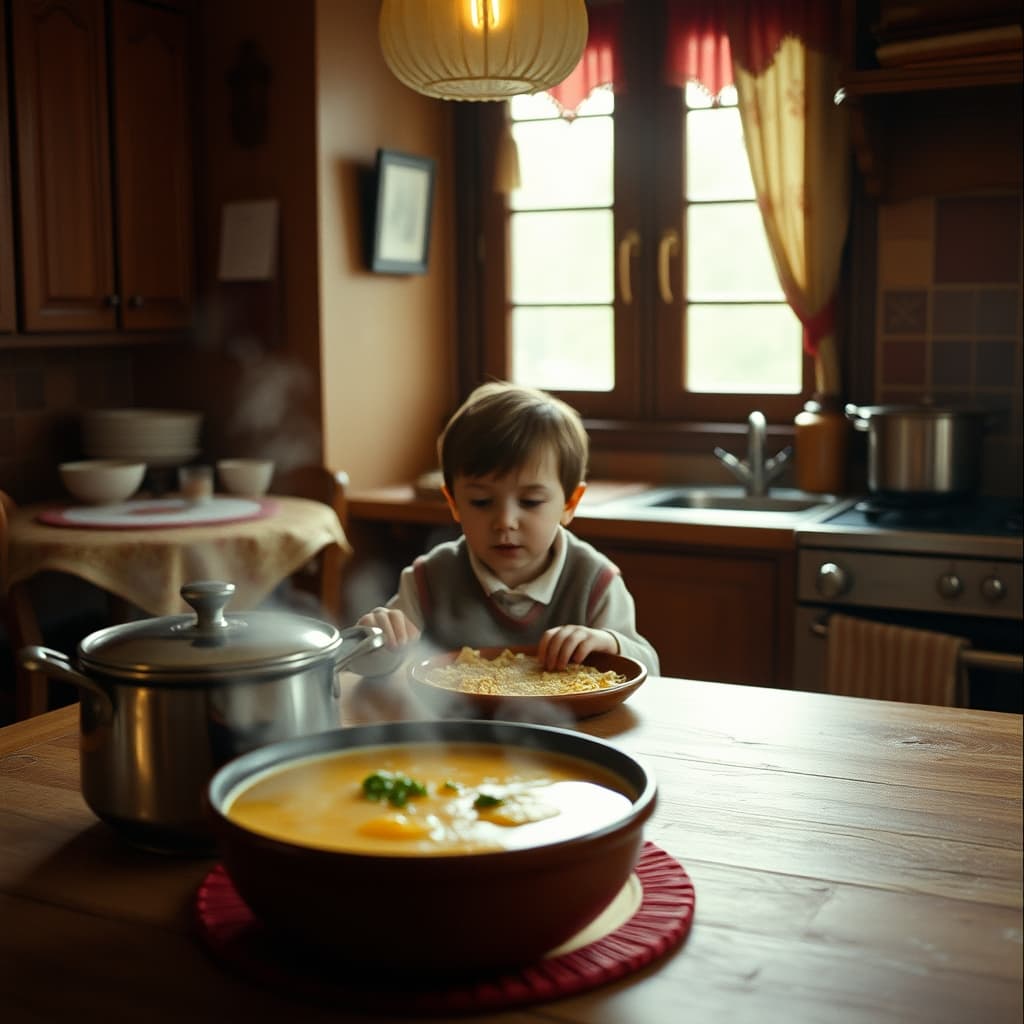
There was a time when the first smell coming from the kitchen after returning home from school could shape the rest of the day. If tarhana soup was simmering, the air inside the house immediately softened into something gentler. That warm scent stretching from the kitchen to the hallway gave the feeling of “you are home” before a coat was taken off or a schoolbag set down. The first spoon reaching toward the bowl was often the sign not only of hunger, but of a child’s body and mind, which had been outside all day, settling back into the house. The sour, yogurt-rich, tomato-deep flavor of tarhana carried more than a meal. It spoke in the voice, patience, and distinctive character of the home kitchen.
In terms of taste memory, tarhana soup is perhaps one of the most layered examples of traditional kitchen culture. Tarhana is never merely a dish cooked at the moment; it is the result of labor prepared earlier, dried, stored, and preserved with seasonal knowledge. Kneaded in summer, spread out to dry under the sun, then crumbled into jars or cloth bags, tarhana returns to the table once winter and the school season arrive. In that sense it belongs less to a recipe than to the calendar of the family. Every household’s tarhana differs slightly: some are more sour, some mint-forward, some thicker in texture. And it is exactly there that the character of the home kitchen becomes visible. The same soup speaks in a different tone in every house.
The reason the first spoon after school remains so powerful in memory is that the soup offers not only flavor, but a feeling of order. As a child carries home the fatigue of classes, the crowd of the day, the wetness of a rainy yard, or the coldness of a corridor, the soup waiting on the table gathers the scattered pieces of the day back together. Its steam lightly clouds the glasses, the spoon touches the bowl with a recognizable sound, and sometimes toasted bread comes beside it, while at other times red pepper butter is poured over the top. The sound of the pot lid, the hand of a mother or grandmother at the stove, the cloth on the table, and the warmth of the soup all work together at once. That is why the first spoon puts not only the body, but also the spirit back into place.
As it tells the character of the home kitchen, tarhana soup also reveals the strength of modesty. It asks for no dramatic presentation. A deep bowl, a well-judged texture, and arriving at the table at the right time are often enough. Yet within that simplicity the hand-setting of the household is hidden. The amount of water, the shade of tomato paste, the presence or restraint of garlic, whether mint is sprinkled, whether bread or pickles come alongside, all reveal the kitchen’s personality. In some homes tarhana is finished quickly before homework begins, while in others a short conversation forms around the bowl. So the same soup shows character not only in taste, but in the way household time is arranged around it.
Perhaps that is why tarhana soup settles into childhood memory with the first spoon. Because that spoon lifts something far larger than food itself: the feeling of security. No matter how tiring the day outside may have been, the fact that a pot has been simmering with your return in mind is, for a child, a form of mercy that is not forgotten. Ready-made soups, fast recipes, and crowded schedules may have made that feeling rarer today. Yet in many homes tarhana still lives not only as a nourishing soup, but as an old language through which the kitchen tells its character, seasonal knowledge, and family tenderness in a single bowl.
Tarhana Soup Remembered by the First Spoon Reaching the Bowl After School: How Does It Tell the Character of the Home Kitchen