 Eski Pano
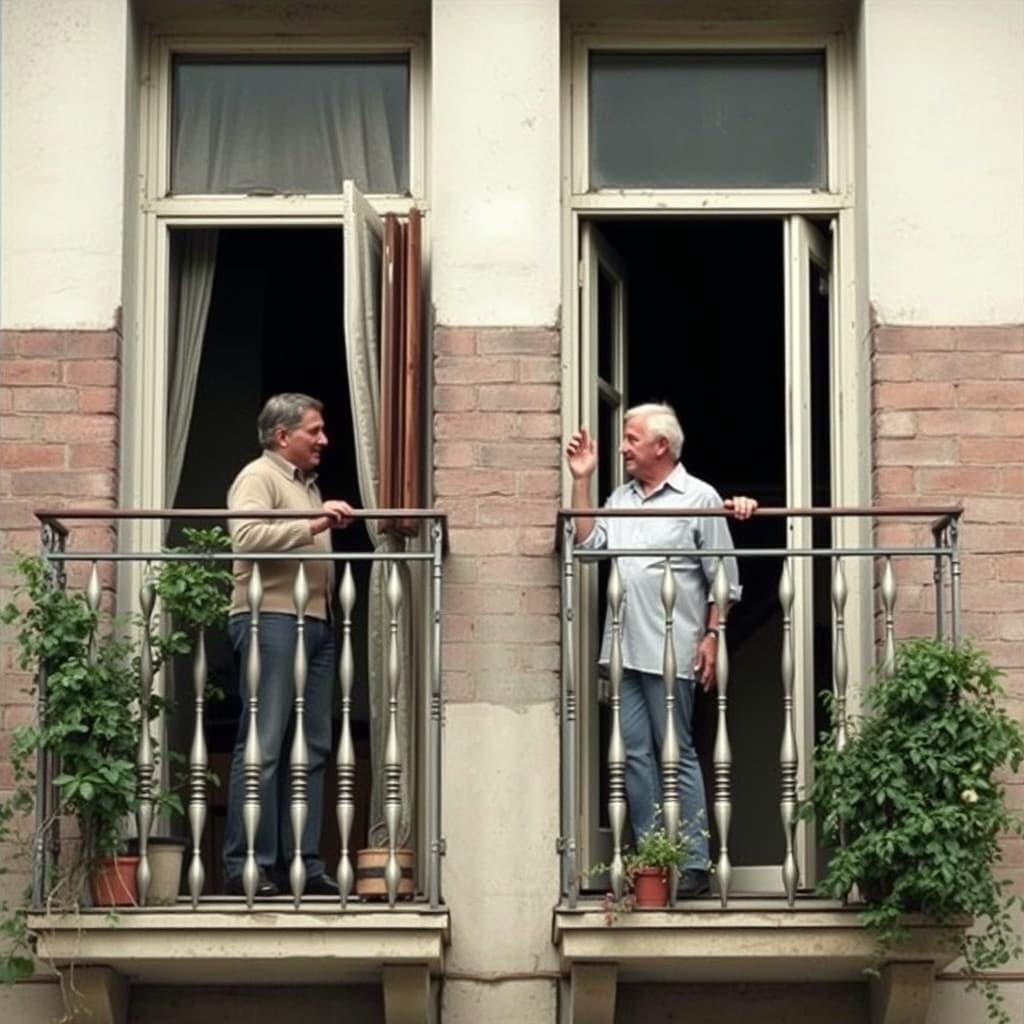
Friendship between neighbouring balconies did not depend on a conversation every time both doors opened. One neighbour could wave briefly and return indoors. Another might be busy with something that did not need explaining. The hours of talk remembered from an older building had quieter intervals around them, and those intervals were part of the relationship too.
This offers a useful way to consider the confidence associated with balcony friendships. Trust could mean knowing that a greeting would be welcome; it could also mean knowing that no reply, or a short reply, would not become an accusation. Separate homes stayed separate even when their residents knew each other well.
The Greeting Did Not Require a Full Account
A person stepping outside might be tending plants, taking in washing or simply wanting a little air. The neighbour’s presence offered the possibility of conversation, not an obligation to report the day. A brief acknowledgement could recognise the other person without changing the purpose of the visit to the balcony.
Families and buildings had different habits. A particular pair of neighbours might talk at length while others preferred a nod. One recollection should not establish a rule that sociable residents were always available. The warmth of an exchange depended partly on both people being free to take part.
Silence Could Be Familiar Rather than Suspicious
After repeated encounters, neighbours might recognise that a closed door or a quiet afternoon was ordinary. There was no need to build an explanation from every absence. This distinction separates friendly awareness from the demand to know what another household was doing.
Concern could still be expressed when there was a real reason for it. But noticing a change and knowing its cause are different things. A recollection of mutual care should not make an unanswered greeting into evidence of danger, illness or disagreement. The balcony offered a limited view, not complete knowledge of a home.
Sometimes a conversation simply stopped because one person had another task. The interruption did not have to undo the friendship. Knowing that a topic could be resumed later gave the exchange a different quality from a meeting that required a fixed beginning and end.
Tomorrow Left Room for Both Households
A continued conversation might return on another day, when both neighbours happened to be outside. Its resumption could show that the earlier pause had been accepted. There was no need to account for every hour between the two encounters in order to remember the subject.
This ease was not universal. Some residents experienced unwanted questions, comments or pressure to participate. Their discomfort belongs within neighbourhood memory, rather than outside a supposedly complete picture of friendship. The same proximity could support companionship for one person and feel intrusive to another.
The physical balcony remained a threshold, with the room behind it belonging to the household. Stepping back through the door was a meaningful action. An account attentive to that movement can preserve both the connection across the gap and the boundary at each end.
What nourished confidence was not uninterrupted visibility. It was the possibility of meeting again without having to remain available now. A neighbour could close the door and still belong to the relationship. The remembered hours of balcony friendship gain depth when the silence between them is allowed to remain ordinary: a conversation paused, two homes continuing their own days and tomorrow still open.