 Eski Pano
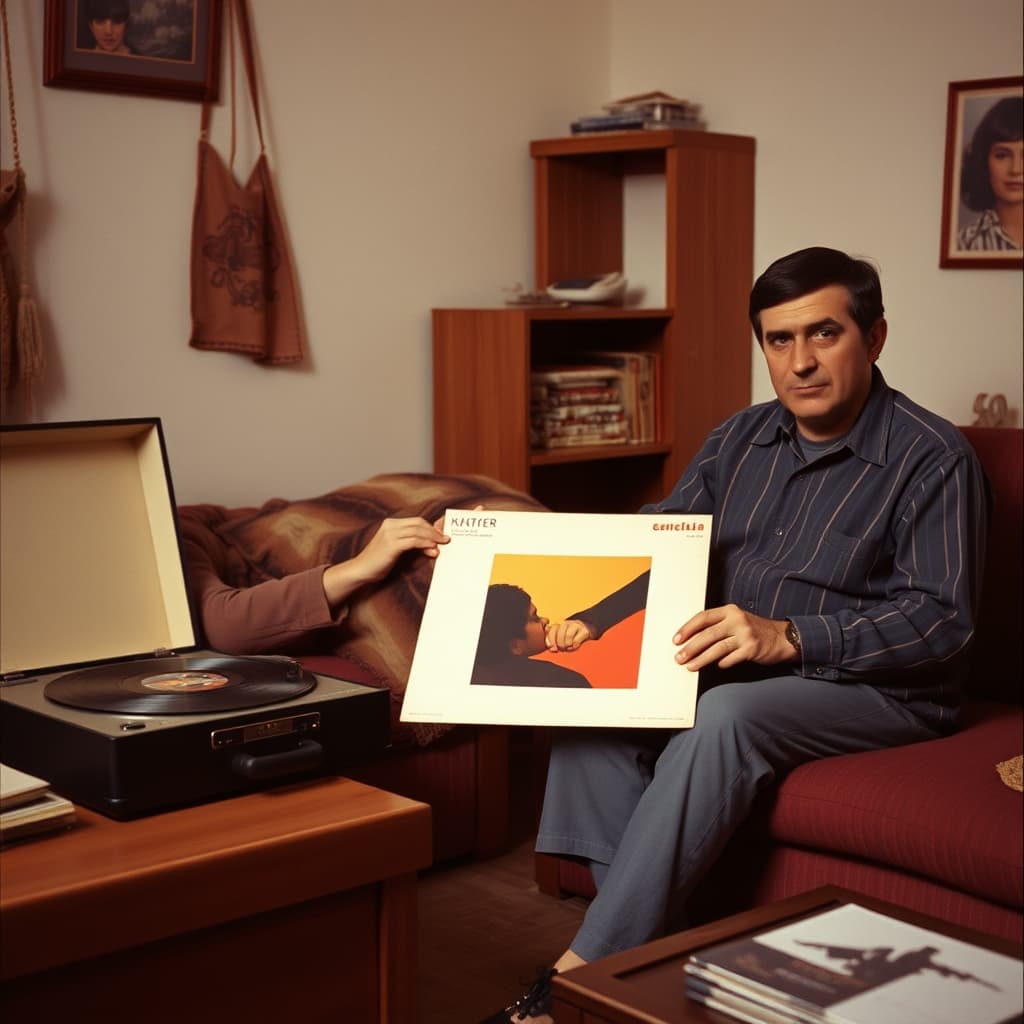
The record was playing, but its sleeve could still be moving around the sitting room. One person held it while another listened, then passed it across when someone wanted a closer look. A family evening around the pikap involved more than faces directed towards the machine. There was a separate object to examine while the sound continued.
The sleeve gave listeners something that the turning disc could not show from their chairs: a picture, a title or printed information about the recording. What appeared depended on that particular release. Some covers offered much more than others, and a household’s record collection could contain sleeves with very different amounts of detail.
A Picture Could Start a Different Conversation
An image on the cover might draw a comment before anybody discussed the music. Someone could recognise a performer, notice clothing or wonder about the setting of a photograph. The picture created another point of attention without necessarily explaining what was being heard.
This distinction matters. A cover is a designed presentation, not an unmediated view of a performer’s everyday life. A remembered picture can be described as part of the listening experience without turning its visual suggestion into a historical fact. The family’s response to it and the circumstances of its making are separate stories.
The Track List Had Its Own Use
Where the sleeve listed tracks, a listener could compare the names with the sequence playing. Somebody might ask which song was current or look for the one expected next. The music passed in time; the list stayed available to the eyes. The two could help a listener make sense of the evening differently.
Not every person needed or could use the printed information in the same way. Small lettering, language or simply a preference for listening could leave someone uninterested in the sleeve. Passing it around offered a possibility, not proof that every family member examined it or understood the same references.
Holding the cover could also mean missing another person’s view of it. A listener waiting for their turn might ask for it, glance over a shoulder or leave the question until later. These ordinary exchanges belong beside the shared excitement. A single sleeve was not simultaneously available to everyone.
The Sleeve Eventually Returned to the Record
At the end of listening, cover and disc belonged together again. The object that had circulated between chairs returned to its storage role. Keeping track of it was part of putting the evening away, even if the household remembered the start of playback more vividly than this final task.
A record later found without its original cover may still carry music, but that particular companion to listening is missing. A replacement sleeve can house the disc without recreating the image or information the family once passed around. The loss is not necessarily dramatic; it changes what a later viewer can know about the earlier encounter.
Conversely, an empty cover might retain the image remembered by a family while no longer containing its disc. It is worth asking which object supplied the association. The sound, the picture and the act of handing it to somebody were connected, but any one of them could remain clearer than the others.
The family listening habit endured partly because music had these visible companions. The sleeve turned a recording into something that could be shown across the room while it was being heard. Its journey between chairs gave the evening another sequence: looking, asking, passing on and finally returning the cover to the disc that had brought everyone together.