Eski Pano
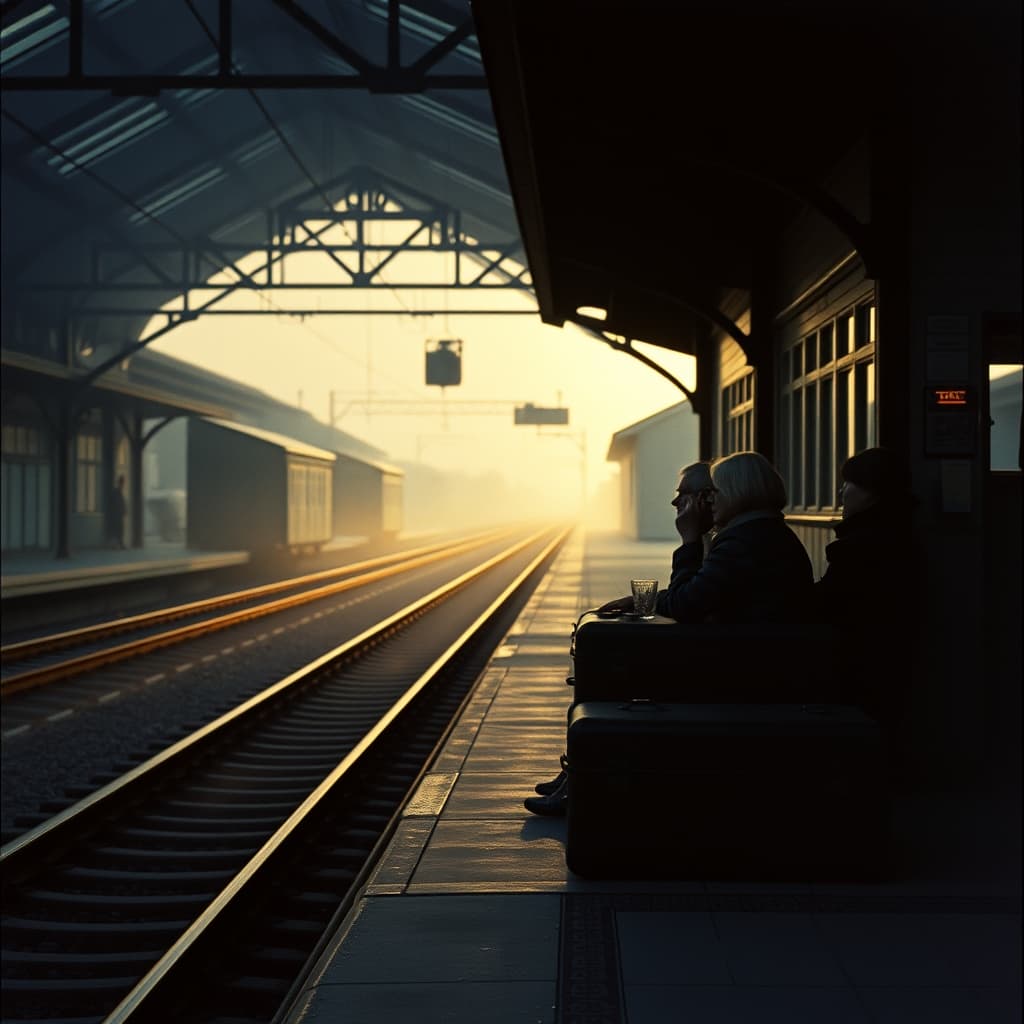
There was a time when the stations of small cities and towns stood, in the not-yet-warmed light of morning, at the threshold of a feeling unlike any other. The sound of thin tea glasses rose from the cafe near the platform, the coolness gathered over the rails from the night before still lingered, and the silence of the waiting room clung more deeply against walls where the paint had begun to peel. Every window opened at that hour was not only opened to let in fresh air, but to hear the whistle of the train, the cracked voice of the station announcement, and the footsteps arriving from a long road. That is partly why those mornings remain so vivid in memory: before the city had fully awakened, they made it possible to feel that farewell and reunion could sit side by side on the same bench.
Seen in the trail of time, small-town stations were never only transport points. They were places that drew the emotional geography of daily life. Old newspapers wrote about newly opened lines, delayed trains, fresh whitewash on the station building, or goods arriving in freight wagons, but between those lines another life could be seen. Civil-service transfers, military send-offs, returns from distant work, departures for school in the big city, holiday crowds, and short reunions at summer’s end all settled into the memory of the same place. The wooden or iron bench at the station was therefore never an ordinary object. At times it held a suitcase, at times a knitted bag, at times a child exhausted by crying before dawn. Within a few minutes, the same bench could carry both the waiting of a mother waving goodbye and the astonished joy of a son stepping back into view after years away.
These mornings stay alive even today because urban life in those years was more visible and more communal. The arrival time of a train did not concern only the passenger. The grocer knew, the postman knew, the stationmaster knew, and the neighbor living close by knew and opened the window accordingly. The simit seller, the newspaper boy, the tea vendor, and the porter around the station were all part of this modest ceremony. No one made grand speeches, yet everyone could distinguish one kind of farewell from another. As the locomotive approached slowly, expressions changed on the faces standing on the platform, coats were straightened, bags were gripped more tightly, and many unsaid sentences remained only in glances. When the train stopped, the same area around the bench filled with an opposite movement. The traveler stepping down had a hand kissed, a suitcase lifted, and phrases like “you have grown thin” or “you have not changed at all” suddenly warmed the cold morning.
In that sense, town stations carried one of the most human faces of modernization. The railway changed schedules and distance, but it did not erase feeling. On the contrary, it gave feeling a visible stage. The stove in the waiting room, the small opening at the ticket window, the clock hanging on the wall, the smell of coal, the rainwater between the rails, and the morning mist formed the shared emotional decor of an era. For children, the station was partly adventure and partly the first place where they sensed adult sorrow. From the silence of elders they understood the gravity of departure; from the flowers or the wrapped box in someone’s hand they learned the importance of return. That is why station mornings remained not only as train memories, but as part of an urban courtesy that knew how to wait and how to send someone off.
Perhaps the real reason those mornings still make one want to open a window is that they recall a rhythm diminished in the speed of the present. Journeys are faster now, platforms are more functional, and waiting is lived more privately. In old town stations, however, waiting was a social condition in itself. People respected one another’s farewells, made room for reunions, and shared silence without needing to speak. Because both separation and return could sit on the same bench, those places remained so powerful in memory. The open window that let in the morning chill also carried the sound of that shared life into the house. That is why small-town stations are still among the places most often remembered when looking back: over those rails passed not only trains, but the patient emotions of a city.
In Old City Life, the Moments When Small-Town Stations Brought Farewells and Reunions Together on the Same Bench: Why Do Those Window-Opening Mornings Still Live So Vividly in Memory?