 Eski Pano
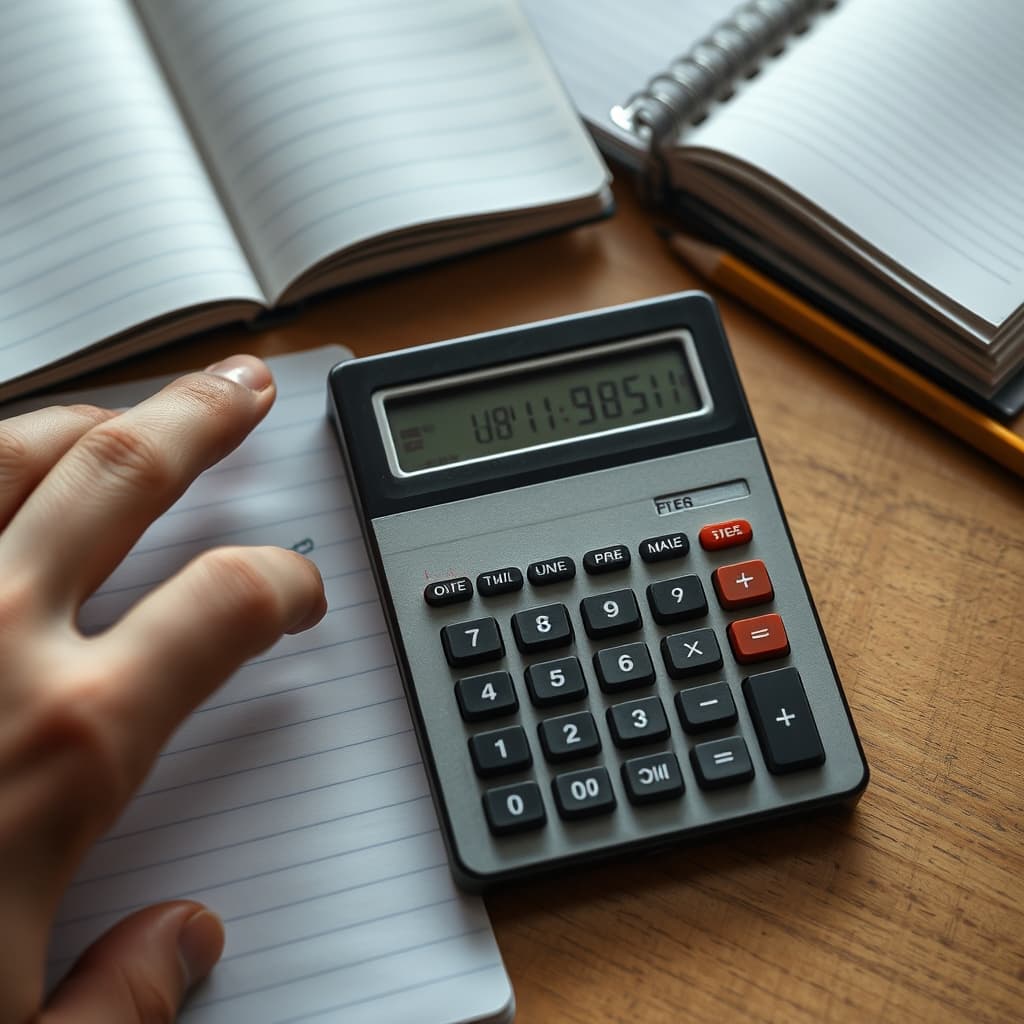
A repaired calculator could look much as it had before leaving the desk. Its second life was not necessarily announced by a shining case or a new appearance. The owner recognised it through a familiar sequence of keys and a result that could again be checked. The ordinary calculation gave the return a practical meaning.
Unlike the decorative phrase about an antenna in some memories of analogue technology, a calculator’s function did not depend on radio reception. Its own story concerns entering numbers, seeing a result and trusting a particular task to a device. Keeping that identity clear makes the modest machine more interesting, not less nostalgic.
The Fingers Remembered an Arrangement
A regularly used calculator could become familiar through the positions of its keys. The owner knew where to reach for a number or an operation without examining the whole case each time. That remembered arrangement could survive an interruption in use.
After repair, a familiar key sequence offered a way to reconnect with the machine. This was recognition at the scale of a hand, rather than admiration of an object on display. The device belonged beside a notebook or other work because it had once been part of doing something there.
Calculators vary, and no particular display, memory function or mechanism should be inferred from the word alone. A recollection is more useful when it identifies the actual device. The feeling of familiar keys can be discussed without assigning an undocumented model or technical milestone to it.
A Result Needed More than a Welcome Appearance
The repairer’s assessment and the owner’s satisfaction were related but different. A clean exterior did not explain the work carried out. A service account could identify what had been addressed, while a demonstration could connect that account to the purpose for which the calculator was returned.
A simple calculation with a known answer might help the owner follow that demonstration. It did not establish that every function had been tested or that no limitation remained. The distinction keeps the story proportionate: a particular task worked again, rather than the machine being declared perfect through one pleasing result.
Any remaining restrictions belonged with the returned device, not outside its history. A second life could be narrower than the first. The calculator might remain useful for an ordinary task without returning to every former role. That outcome could still matter to the person who had chosen repair.
The Notebook Gave the Machine Somewhere to Return
Back at the desk, the calculator met the records or questions that had previously given it a purpose. A line of figures was now available to enter again. The return connected technical work elsewhere with the small routine interrupted at home, school or a workplace.
The person using it might compare the displayed answer with a written check, or notice a change in how a key responded. Such observations should come from the actual account. They need not be inflated into claims about a whole generation’s relationship with technology.
The repaired calculator’s significance rests in this limited reunion of object and task. Its keys were recognisable, but their usefulness had to be established again. The familiar machine returned not only to a drawer or a collection, but to the space beside a notebook where someone could once more ask it a question and understand the answer.