 Eski Pano
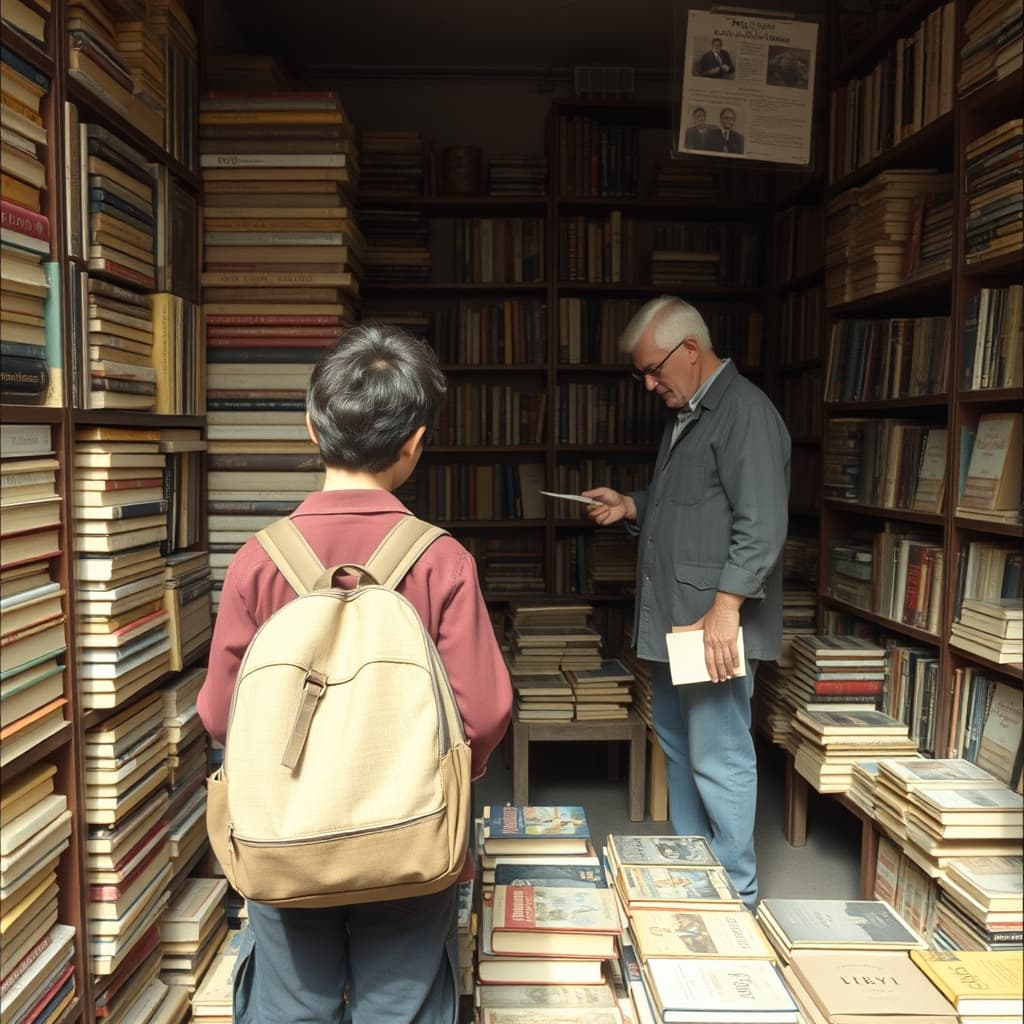
Leaving a second-hand book market empty-handed did not necessarily mean that the afternoon had been wasted. A visitor could arrive with a title in mind, discover that the available copy was unsuitable and still leave knowing something more precise about the search. The sahaf’s shelves offered encounters that did not all end at the counter.
This is a different way to understand the market’s place in city memory. It was not only where books changed owners. It could be where a vague interest became a question, or where a reader discovered what they were not yet ready to choose. The walk home carried no parcel, but the visit could continue in thought.
A Wanted Title Met an Actual Copy
A title remembered from a lesson or another reader’s recommendation could lead somebody into the market. What appeared on the shelf was a particular copy, not the idea of a book. Its language, format or edition might differ from what the visitor expected. Looking made that difference apparent.
There could also be a practical limit: price, time or the need to consult someone before buying. Those limits belong in the afternoon’s account. A fond memory of browsing should not assume that every interested visitor had money available or the freedom to spend as long as they wished among the shelves.
The Bookseller Heard a Search Taking Shape
Asking for a book could reveal that the visitor knew only part of its identity. A remembered subject or a fragment of the title might be enough to start a conversation, but not enough to settle which book was meant. The bookseller’s response could clarify the question without producing an immediate sale.
The exchange should not be reconstructed as a quotation unless it was actually recorded. Its value can be described more modestly: someone arrived uncertain and left with a better distinction between possible books. The seller’s knowledge mattered through that work, not through an invented speech about the wisdom of reading.
An afternoon following the school day could offer time for such an enquiry, depending on the student’s route and obligations. The market visit was not outside everyday life. A bag still carried school things, and there might be an expected time to reach home. Browsing fitted into that schedule rather than replacing it.
A Shelf Could Become a Place to Revisit
The visitor might remember where a promising volume stood, even without purchasing it. On another visit, that location could be the first place checked. The shelf became a small landmark within the market, associated with a possibility left open.
The book might no longer be there. Stock changed, and remembering its position did not reserve it. That possibility gave the return its own character: discovery was not a guarantee of later possession. The visit belonged to a working trade in which another reader could make a different decision in the meantime.
Sometimes the return led to another book rather than the original one. The earlier enquiry had changed what the visitor looked for. A market could therefore leave a trace in reading habits without leaving a receipt for every important encounter.
The empty-handed afternoon is worth keeping alongside the successful find. It shows curiosity operating within limits, supported by a seller and a place where books could be compared. What the visitor took away was a more particular search. The city’s book market remained on the mental route home because there was still a question to bring back.