 Eski Pano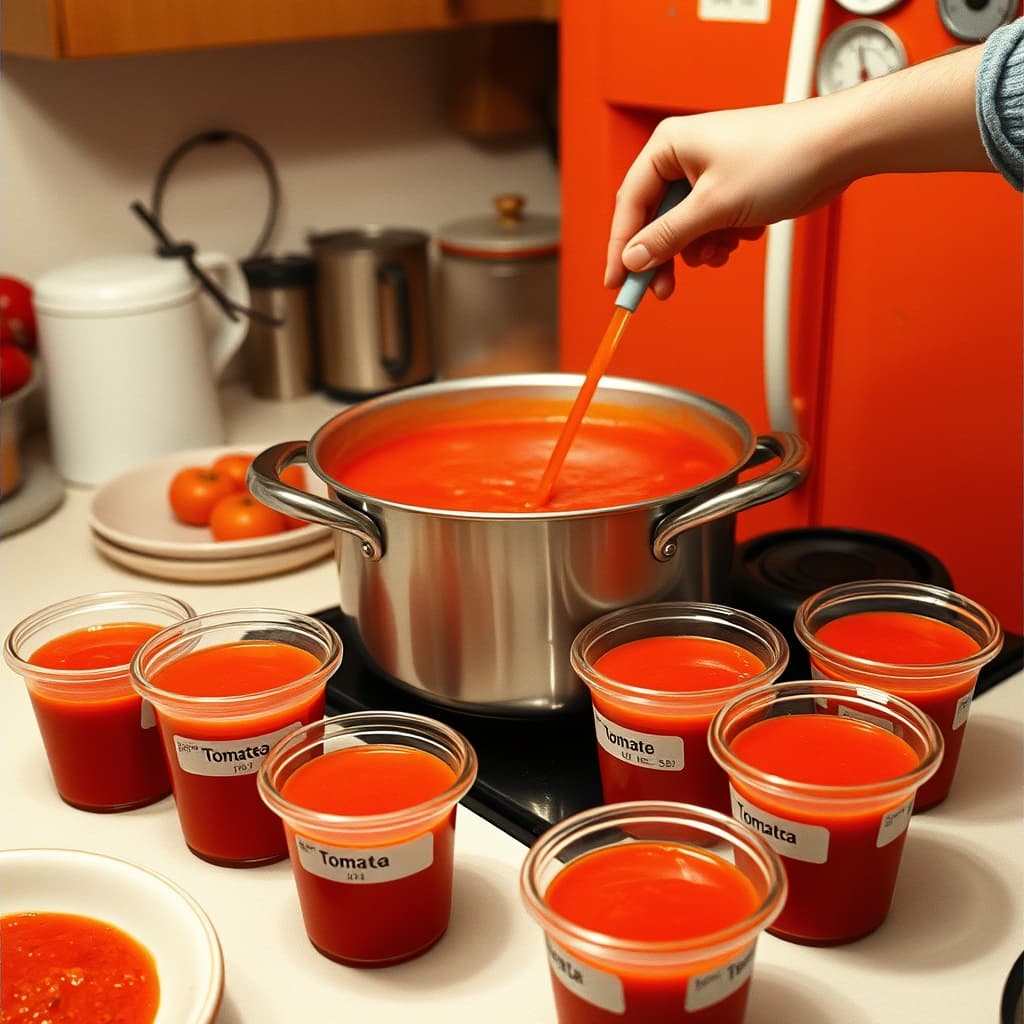
Homemade tomato soup can recall a crowded family table because one pot turns seasonal produce into something everyone can share. The large pot also creates a cooling problem after the meal. Soup left warm for hours or stored in a deep container can remain in unsafe temperature ranges even when the kitchen smells familiar and the surface looks normal.
Recipes vary by fresh or canned tomatoes, stock, water, milk, cream, butter, flour, rice, bread, herbs, meat, and serving garnish. A fresh soup, refrigerated leftover, frozen portion, and shelf-stable commercial can have different controls. Ingredient labels, weights, batch size, dates, cooking notes, and storage records identify one preparation.
Safe Storage Begins with Ingredients
Use sound produce without mould, rot, leakage, or pest damage. Wash appropriately and keep hands, boards, knives, pots, and utensils clean. Separate raw animal products from ready-to-eat foods. Homemade stock, dairy, cooked rice, and meat can change both allergen information and temperature requirements.
Ingredient lists should name milk, cream, butter, flour, stock cubes, celery, gluten, and other allergens or intolerances. A red soup is not automatically vegetarian, vegan, dairy-free, or gluten-free. Shared blenders, ladles, and pans can create cross-contact even when the visible garnish is removed.
Hot Blending Requires Space and Restraint
Steam and expanding hot liquid can force a blender lid upward and cause serious burns. Follow the appliance instructions, work in suitable quantities, vent only as directed, secure the lid, and keep face and hands away. An immersion blender also needs stable placement, a protected cable, and power disconnected before cleaning.
Cook according to a validated recipe and current guidance for the ingredients. Bubbling at one edge does not prove even heating in a very large pot. Stir safely, avoid overfilling, and use an appropriate food thermometer where required. Keep pot handles away from traffic and children.
A Deep Pot Should Not Become the Refrigerator Container
After service, divide leftovers promptly into smaller shallow containers so heat can leave efficiently within current food-safety limits. Do not wait for a full stockpot to reach room temperature. Arrange containers to allow cold-air circulation and label the dish, preparation date, cooling time, and intended use date.
A refrigerator needs a working thermometer and enough space for circulation. Freeze suitable portions promptly if they will not be used in time, leaving appropriate expansion space. Cream-based soups and some starch-thickened recipes may change texture after freezing, but texture quality is a separate question from safety.
Reheat only the amount needed, stirring so the centre and edges heat evenly to the recommended temperature. Slow warming, repeated cooling and reheating, or mixing a little boiling soup into a cold portion does not provide reliable control. Use clean ladles and avoid returning served soup to storage.
A Digital Nostalgia Archive can connect the tomato-soup pot with produce source, recipe, ingredient weights, cook, batch size, blender, heating record, serving time, allergens, cooling containers, refrigerator, freezer, reheating, portions, and discard decisions. The soup carried sharing culture because one recipe stretched across many bowls. Preserving it well means keeping the aroma beside the careful timing that protects the next day's serving.