 Eski Pano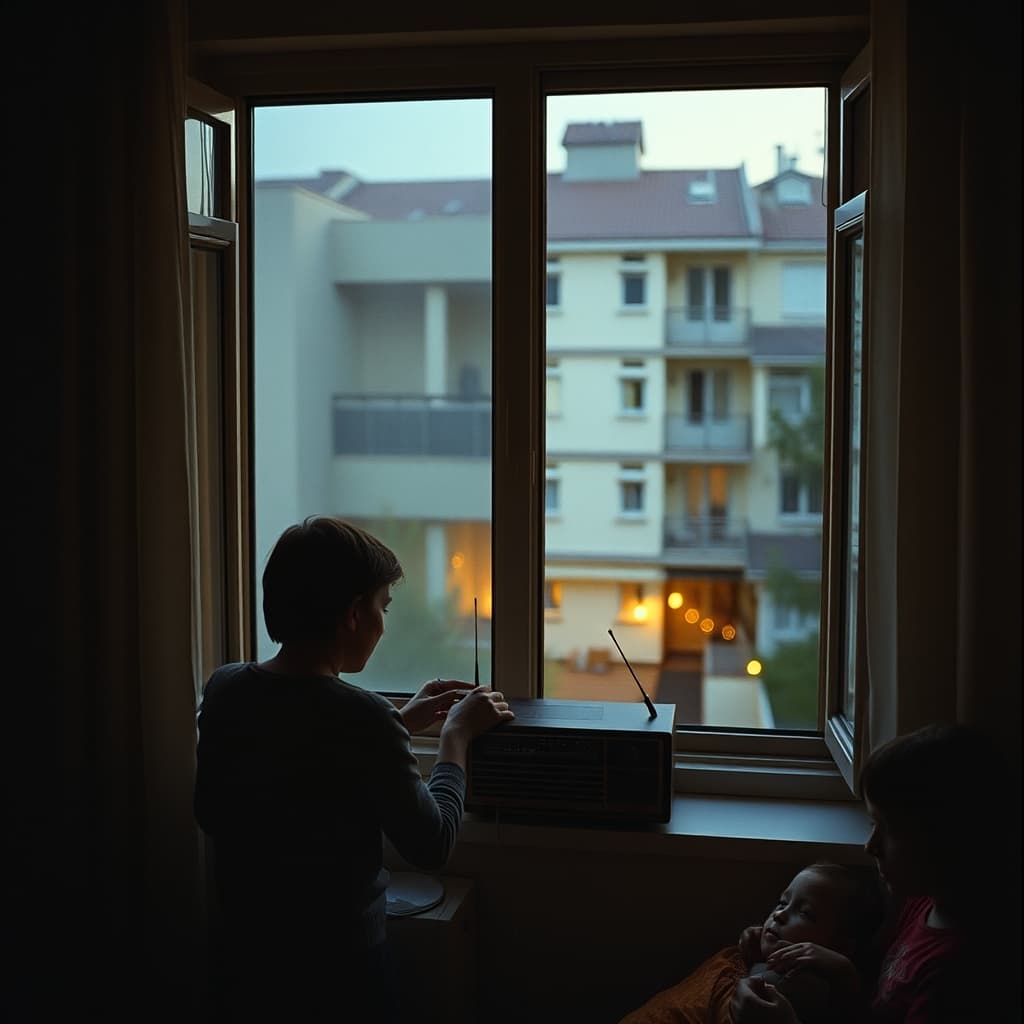
A radio heard through an open window could make a street feel reassuring because news, music, and familiar voices reached people who did not own a set. The same sound could interrupt sleep, study, illness, prayer, or shift work. Communal listening was not automatically communal consent. Its warmth depended on volume, timing, architecture, and neighbourly negotiation.
Radio sound travelled differently through courtyards, narrow streets, timber houses, apartment shafts, gardens, and concrete blocks. Set power, speaker direction, window position, weather, traffic, and programme type changed the effect. Broadcast schedules, station records, building plans, noise rules, diaries, photographs, and oral histories help reconstruct one listening environment.
Volume at the Set Was Not Volume next Door
A comfortable level near the radio could become intrusive after reflecting between façades or entering an upper bedroom. Bass and speech carry differently, and an open window removes part of the building's sound barrier. The useful measure is impact where others live and rest, not only the dial position in the listener's room.
Reasonable practice starts low, places the speaker away from the window, closes or narrows the opening when needed, and observes current quiet hours. A small personal receiver or headphones may help, although headphone volume also requires hearing care. Sudden increases for news or music should not become a daily surprise for the street.
Different Households Kept Different Clocks
A street awake at noon may include a night worker trying to sleep, a baby, a student, an older person, someone with migraine, or a household observing a different schedule. Hearing loss may lead one listener to raise volume while sound sensitivity makes the result painful for another. Discussion should avoid ridicule and seek practical adjustment.
Shared broadcasts could create solidarity during major news, sport, music, or emergencies, but invitations matter. A neighbour might welcome a match and reject advertising or political commentary. Temporary gatherings need clear timing, safe space, access, and a way for residents to decline without social punishment.
Broadcast Sound Could Carry Private Life Back Out
People sometimes spoke over programmes, answered telephones, or discussed news beside the open window. A loud radio can mask awareness that private conversations are also audible. Recording neighbours, publishing their reactions, or identifying homes requires consent and privacy judgment. Nostalgia does not create permission to expose living people.
Public or commercial playback may involve broadcast, music, and performance rights depending on jurisdiction and setting. Owning a receiver does not automatically grant every form of public use or online redistribution. An archive should document the broadcast source and rights basis before sharing complete recordings.
The radio itself needs safe placement away from a sill where rain, condensation, heat, or a fall could damage it or injure someone below. Old wiring, plugs, capacitors, and voltage selectors require qualified inspection. Aerials should remain clear of overhead lines, lightning risk, eyes, and children's reach.
A Digital Nostalgia Archive can connect the open-window radio with station, programme, date, building form, room, volume practice, quiet hours, listeners, objections, agreements, equipment condition, and rights. The sound nourished trust when it offered connection without taking control of everyone else's acoustic space. Preserving that balance means recording both the shared melody and the neighbour who needed quiet.