Eski Pano
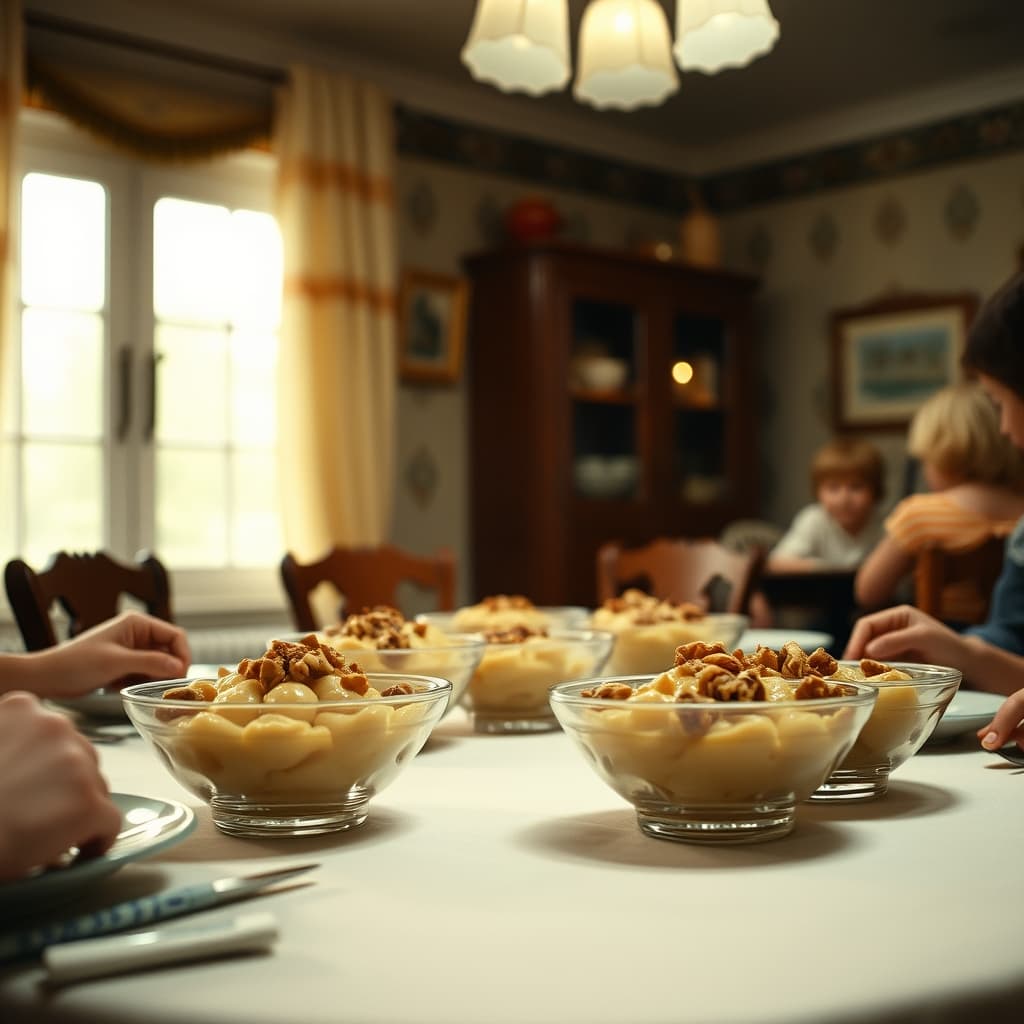
There was a time when the sweet scent rising from the kitchen changed the atmosphere of the whole house before the pot had even been taken off the stove. Old-style pelte was never a showy dessert. Sometimes its color deepened like pomegranate juice, sometimes the transparency of starch held the light on its surface, and a scattering of walnuts or cinnamon gave it a quiet beauty. Yet its real force came not from appearance, but from the table it created. Pelte was usually not a dessert for one person. It was a shared taste placed at the end of a crowded family meal and portioned out in small bowls for everyone. The sound of spoons touching the dish at once, children guarding their share, and elders calling, “there is a little more,” created not only flavor around the dessert, but belonging.
As part of taste memory, pelte is one of the modest yet powerful examples of old kitchen culture. The fact that it could be made from ingredients already in the house, varied with fruit juice or syrup, and served as a lighter final note than heavier sweets made it unforgettable in many homes. When old newspapers or women’s magazines printed starch-based desserts, economical kitchen advice, or methods for using seasonal fruit, they were describing not only food, but also family order. Pelte was the sweet counterpart of both thrift and care within that order. Achieving the right consistency demanded skill, and preventing lumps required patient stirring. By the time this small labor reached the table, it had turned into a much larger feeling.
The reason the first bite still recalls childhood is that pelte settled not only on the tongue, but across the whole domestic scene. Bowls left by the window to cool, trays set in a cool stone pantry before refrigerators became common, the trace left by a spoon on the surface, and the smell of fruit and starch circulating through the kitchen all entered memory together. For a child, pelte often meant impatience: peeking into the pot before it had fully thickened, waiting for the steam to lift from the top, lingering in the kitchen doorway to see who would be served first. For adults, it was one of the calm ways of holding the family around the same table. The fact that even a dessert that was neither costly nor ostentatious could place the same satisfaction on every face showed the warm side of the old household order.
Crowded family tables provided the frame that made this taste even more unforgettable. In many homes pelte was not eaten alone, but served after dinner like a gentle companion to tea or fruit. If an uncle, aunt, grandmother, cousin, neighbor’s child, or guest was at the table, the meaning of the dessert grew larger. Sharing one bowl, thinking about whom to leave the final spoonful, hearing someone ask for the recipe, or hearing the remark, “in our house this used to be made with cloves,” multiplied the taste through words and memory. That is why old-style pelte became not only a recipe cooked in the kitchen, but a family sound growing at the table. The taste appeared first in the mouth, and then the noise of the meal, the movement of chairs, and the last clink of dishes from the kitchen completed it in memory.
The real reason it still recalls childhood at the first bite is the emotional density hidden inside its simplicity. Some foods are never spectacular, yet they attach themselves directly to the idea of home. Pelte is one of them. With its cool, soft, slightly trembling texture, it carries a person at once to kitchens from years ago, to open windowsills, and to crowded evening tables. Inside it there is not only starch, sugar, fruit juice, or water, but also waiting, sharing, proportion, patience, and the habit of eating together. For that reason, the unforgotten taste of pelte is not simply the flavor of a dessert. It is the shape that time lived as a family leaves on the palate. That is why childhood returns with the very first bite.
Old-Style Pelte and the Unforgotten Taste of Crowded Family Tables: Why Does It Still Recall Childhood at the Very First Bite Even Today?