 Eski Pano
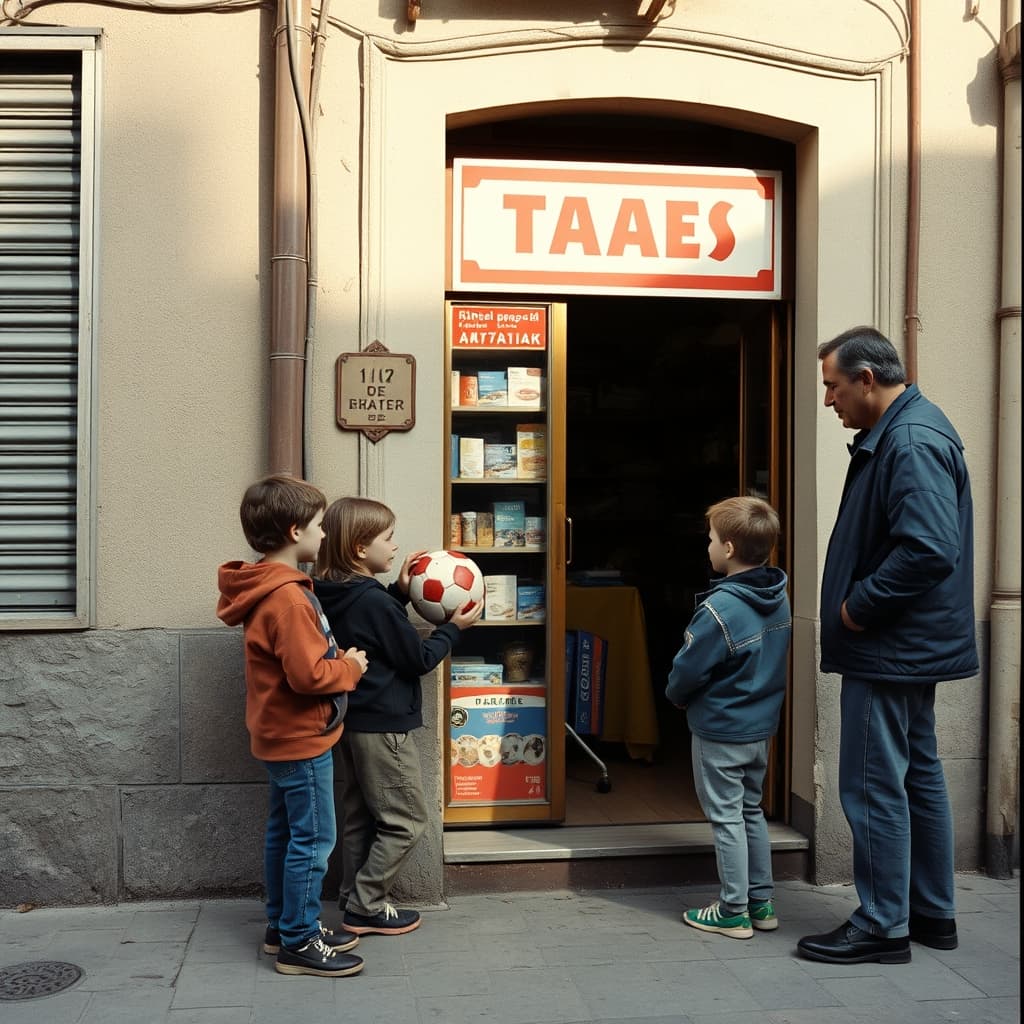
A disputed goal could carry the sound of a neighbourhood match towards a shop doorway. Players wanted someone to confirm what had happened, and a familiar shopkeeper seemed an obvious person to ask. Yet the adult who knew the children might not have seen the ball. Recognition of the players was not the same as evidence of the goal.
That distinction gives the relationship between the game and local tradespeople a useful shape. A shop was part of the players’ surroundings, but it was also a workplace. The person behind its counter had their own tasks, customers and line of sight. The match entered that working day unevenly.
The Appeal Reached beyond the Teams
When the two sides could not agree, asking a shopkeeper brought someone outside the contest into the discussion. Familiarity could make the request feel possible. Players might expect an adult who recognised them to listen, even if the person had no formal role in their game.
The request could be inconvenient as well as friendly. A customer might be waiting, or the shopkeeper might be occupied away from the doorway. The account becomes more precise when it remembers this interruption rather than treating the adult as a permanent referee available to the street.
Knowing the Children Did Not Show Where the Ball Went
A shopkeeper could recognise the player speaking most confidently without having watched the disputed moment. Accepting that limitation was important. A decision based on who was familiar, older or louder would answer a different question from whether the ball had crossed the agreed boundary.
A truthful response might simply leave the issue unresolved. The adult could listen without supplying certainty. That did not make the relationship with the children weaker. It could show that being trusted did not require pretending to have witnessed something.
Different people near the shop might have seen different portions of the action. Someone looking up late could observe the reaction but miss the ball’s path. A recollection should distinguish the incident from the argument that followed it. The loudest part was not necessarily the part that established what happened.
The Shop Doorway Had Another Purpose
The doorway belonged to customers entering and leaving, not only to players seeking an answer. If the argument gathered there, it could interfere with ordinary trade. Returning the discussion to the group also returned the shopkeeper to work.
This boundary matters to the remembered bond. Children could learn that a familiar tradesperson was approachable without assuming that the shop existed for their game. Listening, declining to judge and asking for space were all possible parts of the same neighbourhood relationship.
After the disagreement, a later greeting at the shop could continue that relationship without reopening the score. Buying something or passing on the way home provided another encounter in which the children were not opposing teams. The bond had more than one setting.
The disputed goal strengthened local ties only where the exchange allowed both sides of that relationship to remain visible. The players wanted an answer; the shopkeeper had limited knowledge and work to do. Remembering an adult who did not see the goal keeps the scene honest. Trust could grow through a boundary plainly stated, not only through a verdict everyone wanted to hear.