 Eski Pano
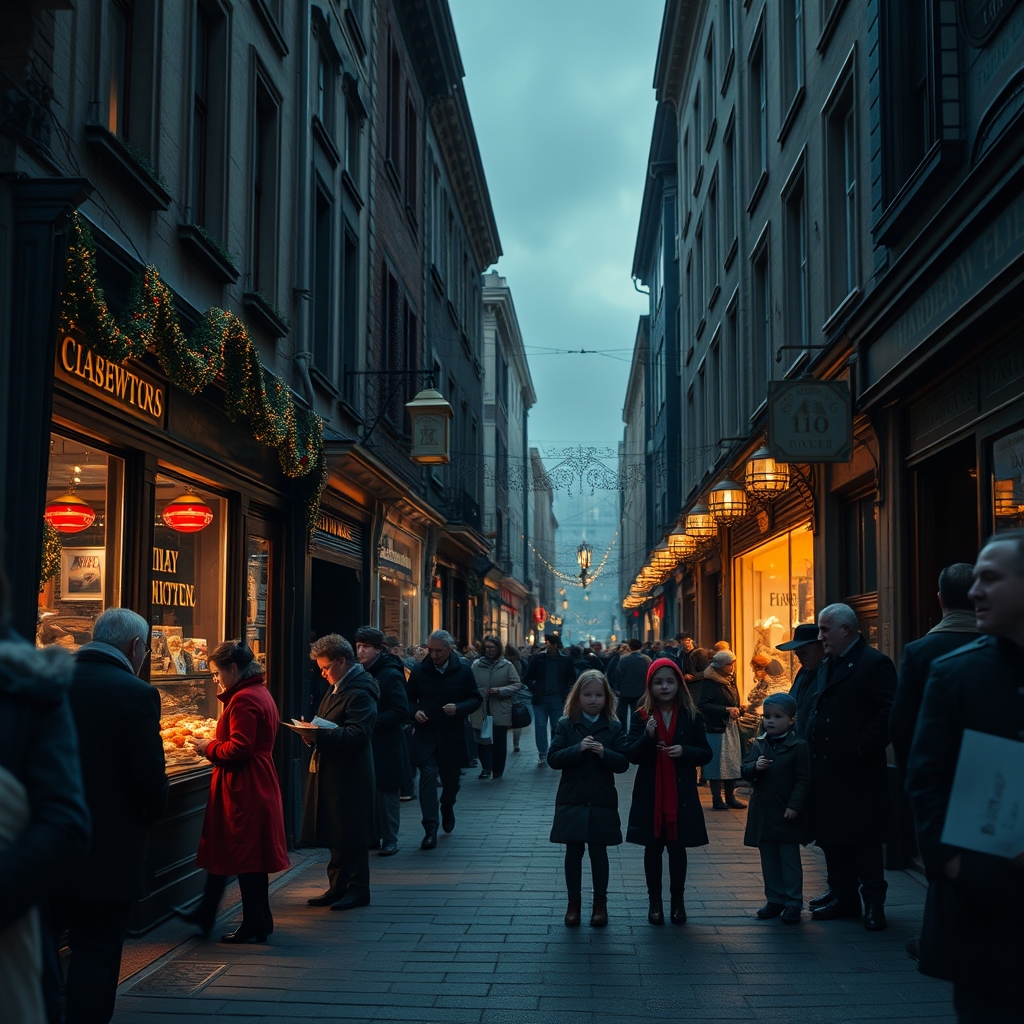
In old city life, some forms of busyness were not tiring so much as signs of togetherness. The eve of a holiday carried exactly that kind of movement. Last shopping was done in the bazaars, the line outside the barber grew longer, trays at the confectioners emptied quickly, and children waiting outside shoemakers became impatient to try on their new shoes. As evening settled over the streets, the crowd thickened a little more, shop lights seemed brighter, and from afar the sound of a ferry left a fine layer of melancholy over all this motion. The rush of the eve was never only an attempt to complete what was missing. It was the city gathering around the same feeling while preparing for the holiday. That is why, when remembered today, it leaves not only the memory of haste, but also a sweet ache.
Seen as neighborhood culture, the eve of the holiday was one of the strongest shared times in the order of the old city. Neighborhood tradesmen did more than conduct business that day. They became part of a collective preparation standing on the threshold of celebration. The greengrocer arranged fruit more carefully, the candy seller wiped the display case again, the butcher tried not to delay any order, the tailor completed the last ironing, and the grocer worked with patient attention because the next day the shop would be closed. People kept asking one another, "Are the preparations done?" and even this short sentence allowed those walking the same street to share a common excitement. The eve made neighbors visible to one another. Each had separate tasks, yet time flowed in common.
One reason this rush settled at the heart of old city life was that preparation spilled fully into the street. Cleaning inside the home, desserts cooking in the kitchen, and clothes being ironed were certainly important, yet the real pulse of the eve beat outside. Children returned from haircuts carrying paper bags, mothers stopped by the shop for forgotten cologne or handkerchiefs, and fathers tried not to neglect having shoes polished before the morning prayer. The street ceased to be merely a place of passage and became the stage of preparation itself. Everyone witnessed a little of everyone else's movement, and before the holiday even began, a shared mood had already formed. For exactly that reason, the rush of the eve left behind not an individual memory, but a public one.
The sound of the ferry drifting into the night explains more clearly why this memory carries such a sweet ache. On the evening of the eve, amid all the preparations, there was also a brief moment of pause. Packages were brought home, shoes were lined up by the door, the last aromas rose from the kitchen, and the street began to cool. When a ferry horn sounded from the distance, the crowded yet emotional side of being in a great city could suddenly be felt. The peace of reaching another holiday, the passage of childhood, the elders no longer at the table, or homes no longer as full as they once were all seemed to gather softly in that sound. That is why the rush of the eve was one of those rare times when joy and sadness touched each other. The city was bright and active, yet inwardly tender.
Today, amid large supermarkets, online orders, and more scattered urban habits, the old heartbeat of holiday eve may be harder to hear. Yet it is still clear why that rush is not forgotten. The eve of the holiday created one of the most tangible moments of solidarity in city life. Tradesmen, neighbors, children, elders, and passersby all brushed against one another inside the same preparation. Before the holiday even arrived, the city rehearsed its feeling in the streets. Perhaps that is exactly what is remembered now with a sweet ache: that there was once a time when the holiday, even before it began, could gather the whole neighborhood into the same anticipation. That is why the rush of the eve took its place at the heart of old city life.
Why the Eve-Of-Holiday Rush Took Its Place at the Heart of Old City Life, Turning into a Sweet Ache with the Ferry Sound Blending into the Night
🇹🇷 Bayram Arifesi Telaşı Neden Eski Şehir Hayatının Kalbinde Yer Etti Geceye Karışan Vapur Sesiyle Tatlı Bir Sızıya Dönüşerek
🇵🇹 Por que a Pressa da Véspera de Feriado Se Instalou no Coração da Antiga Vida Urbana, Transformando-Se Numa Doce Pontada Com o Som do Vapur Misturado À Noite
🇬🇧 Why the Eve-Of-Holiday Rush Took Its Place at the Heart of Old City Life, Turning into a Sweet Ache with the Ferry Sound Blending into the Night
🇹🇷 Bayram Arifesi Telaşı Neden Eski Şehir Hayatının Kalbinde Yer Etti Geceye Karışan Vapur Sesiyle Tatlı Bir Sızıya Dönüşerek
Eski şehir hayatında bazı telaşlar yorucu olmaktan çok bir arada olmanın işaretiydi. Bayram arifesi tam da böylesi bir hareket taşırdı. Çarşılarda son alışverişler yapılır, berber önlerinde sıra uzar, tatlıcıların tepsileri hızla boşalır, ayakkabıcıların önünde çocuklar yeni pabuçlarını denemek için sabırsızlanırdı. Sokakların üstüne çöken akşamla birlikte kalabalık biraz daha koyulaşır, dükkân ışıkları daha parlak görünür, vapur sesi uzaktan gelip bu hareketin üstüne ince bir hüzün bırakırdı. Çünkü arife telaşı yalnız eksikleri tamamlama çabası değildi; bayrama hazırlanırken şehrin aynı duygu etrafında toplanmasıydı. Bu yüzden bugün hatırlandığında, insanın içine yalnız koşuşturma değil, tatlı bir sızı da bırakır.
Mahalle Kültürü açısından bakıldığında arife günü, eski şehir düzeninin en güçlü ortak zamanlarından biriydi. Mahalle esnafı o gün yalnız ticaret yapmaz, bayramın eşiğinde toplumsal bir hazırlığın parçasına dönüşürdü. Manav daha özenli meyve dizer, şekerci camekânını yeniden siler, kasap siparişleri gecikmeden yetiştirmeye çalışır, terzi son ütüleri tamamlar, bakkal ise ertesi gün kapalı olacağı için herkesin eksiğini hatırlatan bir sabırla çalışırdı. İnsanlar birbirine sürekli "hazırlık bitti mi" diye sorar, aynı sokakta yürüyen tanıdıklar bu kısa cümleyle bile ortak bir heyecan paylaşırdı. Arife, mahallede yaşayanları birbirine görünür hale getiren bir gündü; herkesin ayrı telaşı vardı ama zaman ortaklaşa akıyordu.
Bu telaşın eski şehir hayatının kalbinde yer etmesinin bir nedeni, hazırlığın bütünüyle sokağa taşmasıydı. Ev içinde temizlik, mutfakta pişen tatlılar, ütülenen kıyafetler elbette önemliydi; ama arifenin gerçek nabzı dışarıda atardı. Çocuklar saç tıraşından dönerken ellerinde kâğıt torbalar taşır, anneler son dakikada unutulan mendil ya da kolonya için dükkâna uğrar, babalar bayram namazı öncesi ayakkabı boyatmayı ihmal etmemeye çalışırdı. Sokak, bir geçiş alanı olmaktan çıkıp hazırlığın sahnesine dönüşürdü. Herkes birbirinin hareketine biraz tanık olur, böylece bayram henüz başlamadan ortak bir ruh hali oluşurdu. Tam da bu yüzden arife telaşı, bireysel değil kamusal bir hafıza bıraktı.
Geceye karışan vapur sesi bu hafızanın neden tatlı bir sızı taşıdığını daha iyi anlatır. Çünkü arife akşamı, bütün hazırlığın içinde kısa bir duraklama anı da barındırırdı. Paketler eve bırakılır, ayakkabılar kapı önüne dizilir, mutfaktan son kokular yükselir ve sokak biraz serinlemeye başlardı. Uzakta bir vapur düdüğü duyulunca, büyük şehirde olmanın hem kalabalık hem de duygulu tarafı hissedilirdi. Bir bayrama daha erişmenin huzuru, çocukluğun geçip gitmiş olması, eski büyüklerin artık o sofrada bulunmaması ya da eskisi kadar kalabalık olmayan evler, bu seste usulca toplanırdı. Arife telaşı bu nedenle neşeyle hüznün birbirine değdiği ender zamanlardan biriydi. Şehir bir yandan ışıklı ve hareketli, öte yandan içliydi.
Bugün büyük marketlerin, çevrim içi siparişlerin ve daha dağınık şehir alışkanlıklarının içinde bayram arifesinin eski kalp atışı daha zor duyuluyor olabilir. Yine de o telaşın neden unutulmadığı açık. Çünkü arife günü, şehir hayatının en somut dayanışma anlarından birini kuruyordu. Esnaf, komşu, çocuk, aile büyüğü ve yoldan geçen herkes aynı hazırlığın içinde birbirine temas ediyordu. Bayram daha gelmeden şehir onun duygusunu sokaklarda prova ediyordu. Belki de bugün o tatlı sızıyla anılan şey tam olarak budur: bir zamanlar bayramın, henüz başlamadan bile bütün mahalleyi aynı heyecanın içine alabilmesi. Arife telaşı, eski şehir hayatının kalbinde bu yüzden yer etti.
🇵🇹 Por que a Pressa da Véspera de Feriado Se Instalou no Coração da Antiga Vida Urbana, Transformando-Se Numa Doce Pontada Com o Som do Vapur Misturado À Noite
Na antiga vida urbana, algumas pressas não eram cansativas, mas sinais de convivência. A véspera de feriado tinha exatamente esse tipo de movimento. Faziam-se as últimas compras nos bazares, a fila diante do barbeiro aumentava, as bandejas das confeitarias esvaziavam depressa e as crianças diante das sapatarias ficavam impacientes para experimentar os sapatos novos. Quando a noite começava a cair sobre as ruas, a multidão ficava ainda mais densa, as luzes das lojas pareciam mais fortes e, ao longe, o som de um vapur deixava por cima de tudo uma camada fina de melancolia. A pressa da véspera nunca foi apenas tentativa de completar o que faltava. Era a cidade reunindo-se em torno de um mesmo sentimento enquanto se preparava para o feriado. Por isso, quando é lembrada hoje, deixa não só a recordação da correria, mas também uma doce pontada.
Como cultura de bairro, a véspera do feriado era um dos tempos coletivos mais fortes na ordem da antiga cidade. Os comerciantes do bairro não faziam apenas negócios naquele dia. Tornavam-se parte de uma preparação comum na soleira da celebração. O verdureiro arrumava as frutas com mais cuidado, o doceiro limpava novamente a vitrine, o açougueiro tentava não atrasar nenhum pedido, o alfaiate terminava os últimos vincos de ferro e o merceeiro atendia com paciência porque no dia seguinte fecharia. As pessoas perguntavam umas às outras "já terminou os preparativos?" e até essa frase curta bastava para partilhar uma mesma expectativa com quem seguia pela mesma rua. A véspera tornava os vizinhos mais visíveis entre si. Cada um tinha sua própria tarefa, mas o tempo corria em comum.
Uma das razões para essa pressa ter se instalado no coração da antiga vida urbana era o fato de a preparação transbordar inteiramente para a rua. A limpeza dentro de casa, os doces sendo feitos na cozinha e as roupas sendo passadas eram importantes, sem dúvida, mas o verdadeiro pulso da véspera batia do lado de fora. As crianças voltavam do corte de cabelo carregando sacolas de papel, as mães paravam na loja para comprar a colônia ou o lenço esquecidos, e os pais tentavam não deixar para trás o engraxate antes da oração da manhã. A rua deixava de ser apenas passagem e virava o próprio palco da preparação. Todos testemunhavam um pouco do movimento dos outros e, antes mesmo de o feriado começar, já se formava um humor coletivo. É exatamente por isso que a pressa da véspera deixou uma memória não individual, mas pública.
O som do vapur misturado à noite explica melhor por que essa lembrança carrega uma doce pontada. Na noite da véspera, em meio a todos os preparativos, havia também um breve instante de pausa. Os pacotes eram levados para casa, os sapatos alinhados perto da porta, os últimos aromas subiam da cozinha e a rua começava a refrescar. Quando a buzina de um vapur se fazia ouvir à distância, sentia-se de repente o lado ao mesmo tempo movimentado e emotivo de viver numa grande cidade. A paz de alcançar mais um feriado, a infância que já passou, os mais velhos que já não estão à mesa ou as casas que não são mais tão cheias quanto antes pareciam se reunir suavemente naquele som. Por isso a pressa da véspera era um daqueles raros momentos em que alegria e tristeza se tocavam. A cidade estava iluminada e em movimento, mas também profundamente sensível.
Hoje, entre grandes mercados, pedidos on-line e hábitos urbanos mais dispersos, talvez seja mais difícil ouvir o velho batimento da véspera de feriado. Ainda assim, é claro por que essa pressa não foi esquecida. A véspera criava um dos momentos mais concretos de solidariedade da vida urbana. Comerciantes, vizinhos, crianças, idosos e transeuntes se tocavam dentro da mesma preparação. Antes mesmo de o feriado chegar, a cidade ensaiava seu sentimento pelas ruas. Talvez seja exatamente isso que hoje se recorda com uma doce pontada: houve um tempo em que o feriado, antes mesmo de começar, conseguia reunir todo o bairro numa mesma expectativa. É por isso que a pressa da véspera ocupou o coração da antiga vida urbana.