Eski Pano
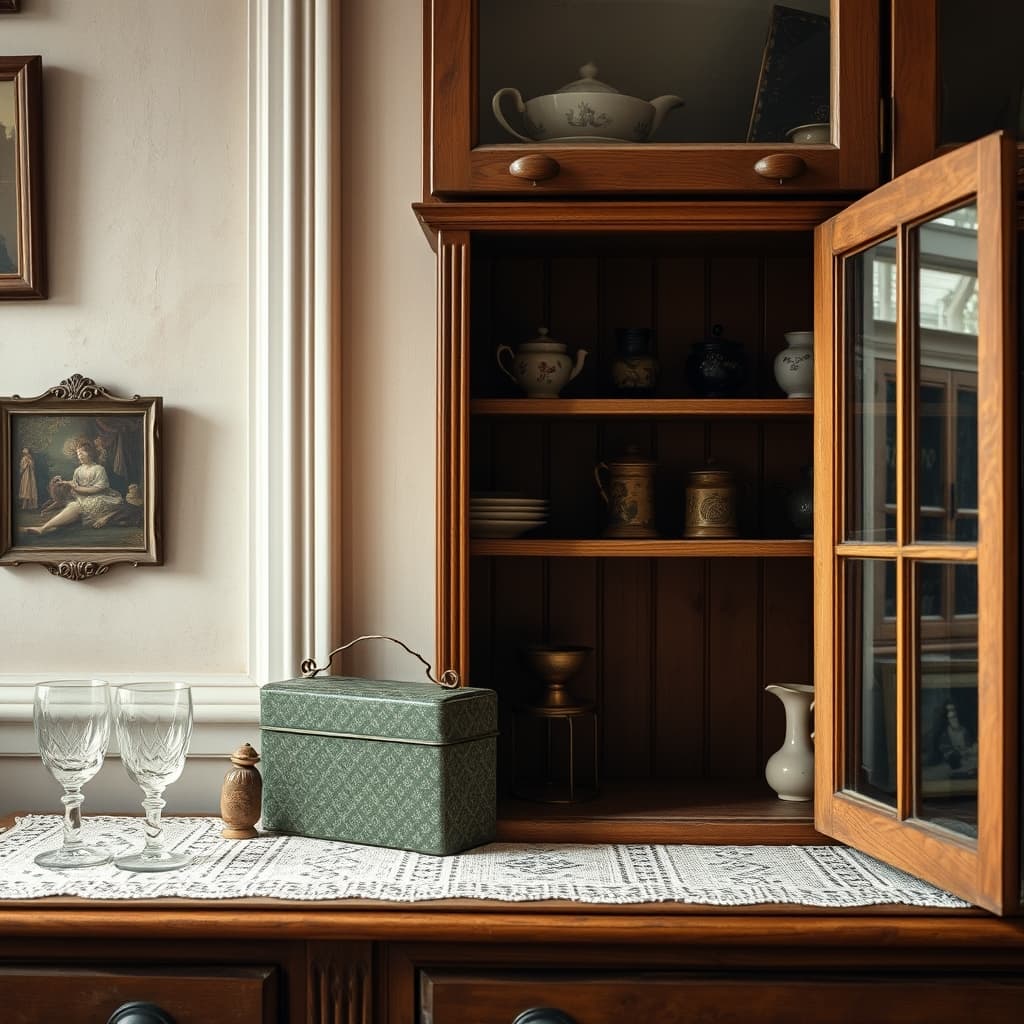
Some objects were kept at home not only to be used, but also to be seen and to remind. The tin biscuit box was exactly that kind of object. Its shiny surface slightly faded, the edges of its lid a little worn, carrying floral motifs or city views from elsewhere, it found a special place in the most visible corner of the living room display cabinet. It did not even need to contain biscuits anymore. Often it held sewing materials, spare buttons, old letters, holiday cards, or the small things people kept because "they may be needed one day." Yet the visible face of the box formed a quiet sentence about the order, taste, and memory of the home. The reason it draws interest again today lies partly here: it makes visible an older domestic etiquette standing between function and remembrance.
Seen through the stories of objects, the tin biscuit box is one of the rare examples of a mass-produced item capable of turning into personal history. What makes it valuable is not only its material or its printed design, but the second and third roles it assumes within the home. First it is an object of offering, then it becomes a container for safekeeping, and later a striking piece in the display cabinet. This circulation shows that older homes did not think of objects as single-use possessions, but as layered companions. The display cabinet itself was never merely furniture where glassware and ornaments stood behind glass. It was the visible archive of the story a family told itself. The arrangement of cups, embroidered cloths, small figurines, and the tin box together created a silent composition of everyday taste.
Its place in the most visible corner of the cabinet was no accident. The object managed to be both modest and decorative. It was not expensive, yet its patterned tin surface attracted the eye. The contents could change, but its outer appearance always left behind a familiar pleasure. When guests passed the cabinet, their eyes often caught the box, and with it came the sentence, "We had one of those too." In that instant the object opened a door in memory. It moved beyond private ownership and stirred a feeling of generational commonality. For children the box held a slightly forbidden attraction, making them wonder what was inside. For adults it became a small symbol of running a household, keeping things, and maintaining a sense of order that did not scatter.
The renewed interest in these boxes today cannot be explained only by the rise of nostalgia. Deeper down lies the fact that people tired of fast consumption have begun to search again for the story of objects. The tin biscuit box answers that search with its time-resistant surface, its material that gains character through scratches, and its flexible use that changes from home to home. Younger generations see in these boxes not only a vintage aesthetic, but also a sustainable intelligence of use. The ability of an object to pass into other functions without losing itself, to move easily between decor and necessity inside the home, feels warmer than many of today's overly single-purpose possessions. Unlike sterile decorative images displayed online, these boxes carry real traces of life in their dents and marks.
That is why the tin box in the most visible corner of the living room cabinet has become beloved again. It can single-handedly carry the older home's understanding of order, habits of keeping, and everyday sense of beauty. Beginning as a biscuit container, turning into a family archive, and then standing in the cabinet as a quiet guardian of memory, it reminds people that an object is not only matter, but memory as well. Perhaps that is exactly why people return to it today: because they can read the trace of slower-lived homes on the surface of a single thing. The tin box silently carries forward the unshowy yet powerful design intelligence of the past.
The Tin Biscuit Box and the Most Visible Corner of the Living Room Display Cabinet: Why Is It Drawing Interest Again Today?