 Eski Pano
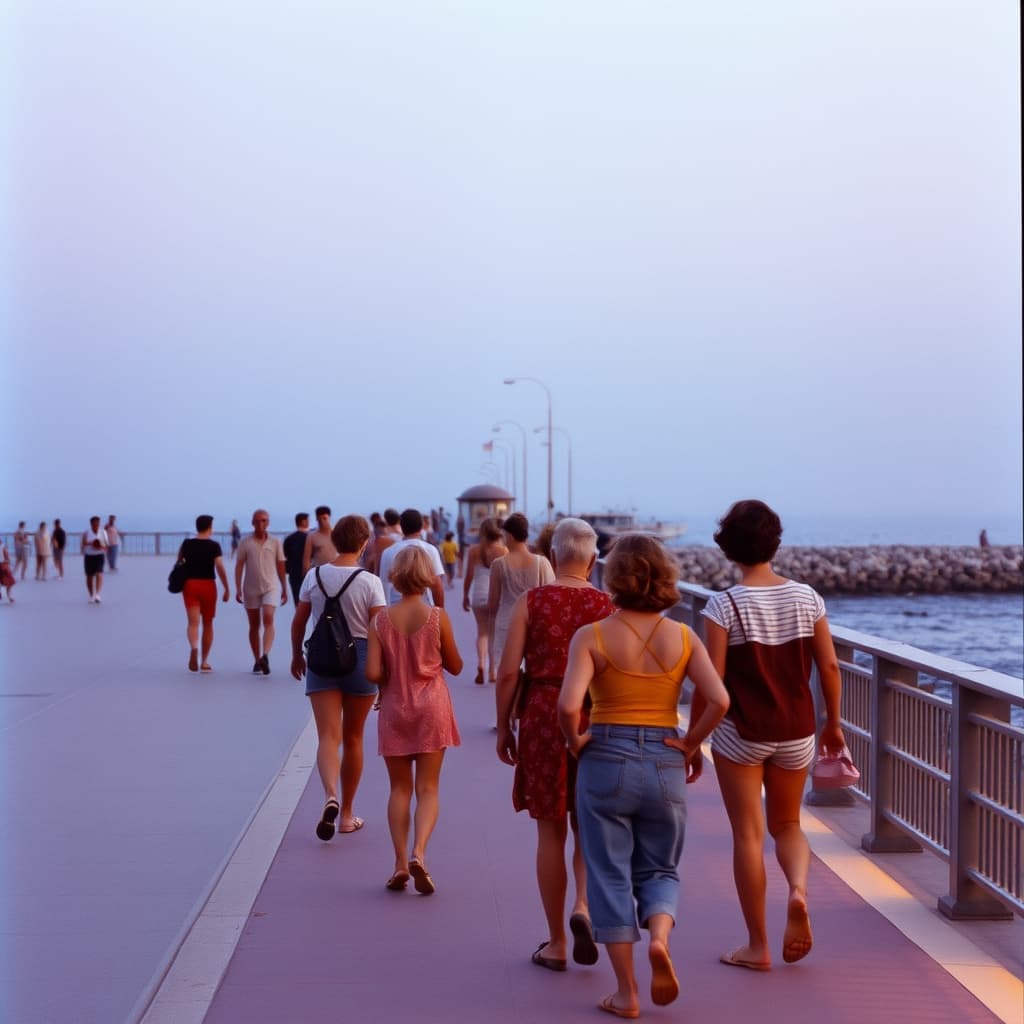
An evening walk beside the shore did not have to end at a concert seat for an orchestra to become part of it. A group could slow when a recognisable tune reached the promenade, look towards the musicians and continue walking a little later. Music entered the outing without becoming its only purpose.
The holiday atmosphere of seaside summer orchestras included these passing listeners. Some had come expressly to hear the performance; others encountered it on a route that still had somewhere to go. Their different ways of staying within earshot gave the night a changing audience beyond the people seated nearest the players.
A Tune Could Alter the Pace
Walking companions did not necessarily notice the music together. One person might recognise a passage and slow before the others understood why. A glance towards the performance then brought the group’s attention into alignment. The walk acquired a pause that had not been planned when they set out.
Recognition did not require knowing the title. A melody could be familiar through earlier listening while its name remained uncertain. The moment belonged to hearing it again in a different setting, with the shore still beside the route and the companions still present.
Where the performance was held mattered. An open public space, a venue beside a promenade and a more enclosed setting offered different opportunities to hear or see from outside. A remembered walk should not be turned into proof that every seaside orchestra was freely accessible or visible to every passer-by.
Standing for a Passage Was Not Staying for the Programme
A short stop could be satisfying on its own. Someone still needed to return to a room, meet a companion or complete another part of the evening. Leaving while the orchestra continued did not necessarily mean the listener had lost interest. The music and the outing were following different lengths of time.
Within a group, preferences could differ. One person wanted to wait for the end of a piece while another was ready to move. That small negotiation belonged to the pleasure of being out together. The holiday night was not one uninterrupted agreement about where to stand and what to hear.
The performers, meanwhile, continued a working programme. A passer-by’s discovery of a favourite tune was one moment within a much longer performance. The remembered ease of the walk should leave room for that difference between encountering music and producing it.
The Walk Continued with a Changed Attention
Once moving again, listeners might still hear the orchestra behind them. The performance became something they were leaving rather than approaching. The same passage could therefore belong to a sequence of positions: noticed in motion, heard during a pause and carried for a little distance afterwards.
Not everyone on the promenade welcomed the sound. Someone seeking quiet could choose another direction or simply tolerate what the group enjoyed. The seaside night contained these different experiences, and a fond recollection need not make its own pleasure the whole public mood.
What could survive into later evenings was the habit of listening while walking. A group might again notice music before deciding whether to stop. This did not reproduce the original holiday; it repeated a modest way of allowing the route to change.
The summer orchestra left a trace at the scale of a few slower steps. It made an ordinary stretch of shore feel briefly like somewhere to linger, then allowed the walk to continue. The quiet habit it offered was not permanent attendance, but readiness to pause together when something worth hearing arrived along the way.