 Eski Pano
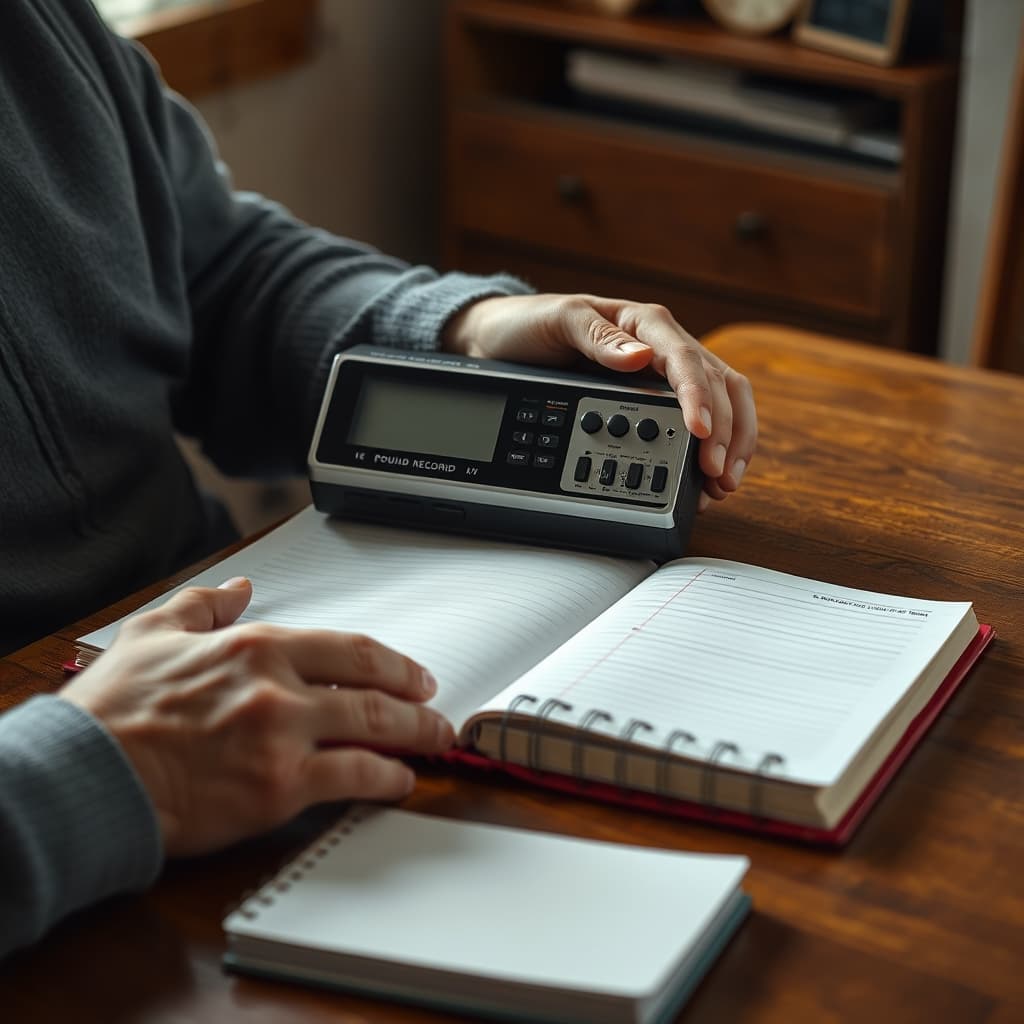
A sound recorder returning from repair did not always return to the task for which it had first been bought. The household might no longer need the same notes, rehearsals or spoken messages. The familiar machine worked again, but its former place in the day had changed. Its second life began with a question about use, not merely a successful repair.
That gap between restored function and an altered routine deserves attention. Repair preserves an opportunity; it does not automatically recreate the circumstances around an object. A recorder could remain recognisable in the hand while requiring a fresh decision about where it belonged and whose voice it was now intended to keep.
The Repair Counter Returned a Possibility
The technician’s account could identify what had been addressed and what limitations remained. That information belonged to the particular machine. The term sound recorder covers different carriers and designs, so a model or recording format should not be invented from the general name alone.
A demonstration showed something the device could do after the intervention. It did not decide why the household would use it next. The owner could be pleased to collect it and still need time to find an appropriate purpose. Technical success and a renewed daily habit were separate achievements.
The repairer’s work also remained part of the object’s history even if its new task was modest. A machine did not need a dramatic recovery of a lost voice to justify someone’s attachment. Being able to make an ordinary new recording could itself be the valued result.
The Old Routine Might No Longer Be Waiting
A recorder previously used for practice could return after that practice had stopped. A spoken-note habit might have moved elsewhere. These are possible changes in a household’s needs, not an assumed biography for every old machine. The specific reason should come from the owner’s account.
The important distinction is between preserving the device and preserving every former use. Expecting the latter can place an impossible demand on repair. People, schedules and preferences continue to change while an object is away, just as they do while it sits unused in a drawer.
An owner might therefore try a different purpose, retain the recorder for occasional use or decide that working condition was enough. None of those outcomes has to be described as failure. A second life can be less frequent than the first without becoming merely decorative.
A New Recording Had New Participants
If someone chose to record again, the people taking part deserved to know what was being kept and how it would be used. A familiar household device did not make every nearby conversation available for capture. A willing speaker and an agreed purpose gave the renewed use clearer boundaries.
The new recording also differed from the material already associated with the machine. A repaired recorder did not automatically make old recordings suitable for replay or publication. Equipment, recording and permission remained separate questions, even when the objects were stored together.
This separation allows the second life to be understood without turning the recorder into a universal key to the past. The technical intervention returned one tool. What came afterwards depended on a household’s present choices, not on the assumption that everything familiar should happen again.
The recorder’s return could therefore end beside a different notebook, in another room or in the hands of another willing user. Its identity continued while its job changed. The repairer made renewed use possible; the owner gave that possibility a place in the day as it now existed.