 Eski Pano
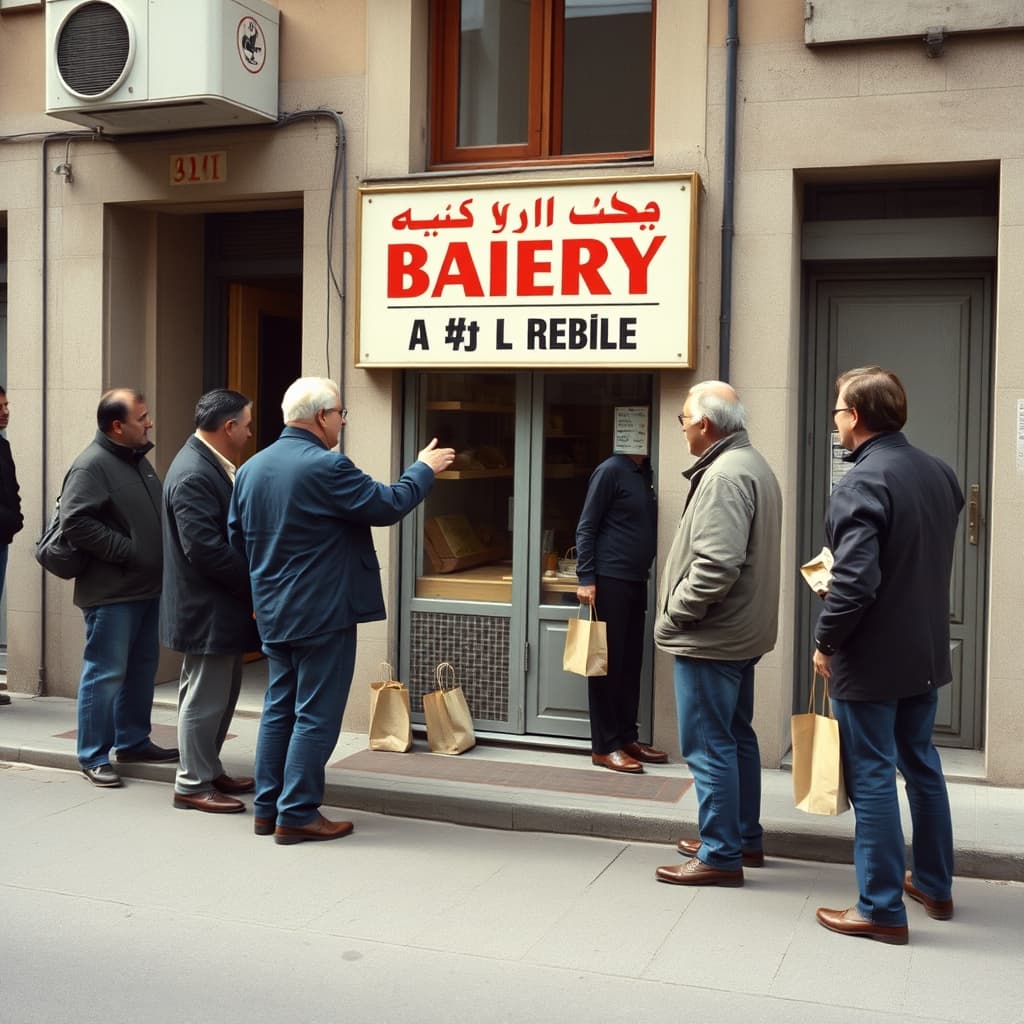
In a neighbourhood bakery queue, a person could become familiar before becoming known by name. The same face appeared on another morning, carrying a different bag or standing a few places ahead. Repeated waiting gave residents a modest way of recognising one another outside the circles of family, work and close friendship.
This familiarity helps explain why the queue could occupy such a vivid place in old city life. It was not only a delay before bread. It was a recurring encounter with people whose routines crossed briefly at the same doorway, then separated again once each purchase was complete.
Recognition Did Not Require an Introduction
A customer might notice that someone had been there on a previous visit. There need be no greeting at first. Recognition could remain a private connection between two occasions, with neither person knowing whether the other had made the same association.
Over time, a nod or a small comment might follow. The weather, the progress of the line or an ordinary observation provided a subject that did not require personal disclosure. A conversation could belong entirely to the wait and still make the next encounter feel less anonymous.
Not every visit occurred at the same hour, and not every familiar customer appeared each time. An occasional overlap should not be rewritten as a daily appointment. The bakery connected changing household schedules rather than gathering one permanent group on the pavement.
Knowing a Face Was Not Knowing a Household
The regular presence of a customer revealed little about the rest of their life. Buying several loaves did not disclose who would eat them, and an absence did not explain why somebody had not come. The queue offered a view of a shared task, not a full account of another home.
Respecting that limit could make the familiarity comfortable. People could participate in a brief exchange without answering questions about work, family or money. The social value of the line did not depend on converting every recognisable face into a close neighbour.
Others might prefer not to talk at all. A person could be tired, occupied or simply private. Quiet waiting belonged to the same neighbourhood scene as conversation. A fond memory of sociability should not make silence look like a failure to take part.
The Counter Brought the Encounter to an End
When a customer reached the front, attention shifted towards the purchase. A conversation could stop because one person was being served. Its end did not require the formalities of a visit; the bakery’s work supplied the boundary.
One person left with bread while the other remained in line. The relationship was temporarily uneven again: a familiar face moving away, another waiting to complete the same task. They might meet outside for a moment or not exchange anything further.
A later encounter elsewhere could carry this modest recognition beyond the bakery. Someone seen near a different shop was no longer entirely a stranger, even if the connection remained no more than remembering a shared wait. The street acquired a few more identifiable faces.
The bakery queue’s place in memory rests partly in that limited, repeated contact. It did not have to turn strangers into friends to change the experience of a neighbourhood. Recognising someone, leaving them room to remain private and meeting again without an appointment were enough to make the next wait feel inhabited by people rather than merely occupied by a crowd.