 Eski Pano
Some dishes can tell the whole temperament of a home without any display. Buttered noodles are one of them. The simple but filling aroma rising from the pot, the warmth left in the kitchen by melted butter, and the small care taken to keep the noodles full and separate rather than sticky all reveal the character of the old home kitchen on their own. This was usually not the food of grand invitation tables, but of everyday order. An afternoon after children returned from school, an evening when people came home tired, or a family meal with no guests but full sincerity. At exactly such moments, buttered noodles revealed the side of the home that was modest, yet quietly sure of itself. Some kitchens showed their richness not through an abundance of ingredients, but through the seriousness they gave to a simple dish.
Within taste memory, noodles matter not only because they are a kind of dough, but because they carry the continuity of domestic labor. Cutting noodles, drying them, storing them in cloth bags, and taking them out when needed relied on the seasonal knowledge and preparation habits of older kitchens. In many homes noodles were prepared at the end of summer and used little by little through winter. For that reason, a plate of buttered noodles was never only that day's meal. It was the result of household intelligence planned months in advance. Kitchen life often moved at the point where thrift and care met. To prepare a filling plate with few ingredients, simple yet heartfelt, was one of the best measures of a kitchen's character. That is why noodles became one of the foods that inspired a feeling of reliability in older domestic life.
Buttered noodle days are also moments when the sounds and smells of the kitchen are inscribed most strongly into memory. The light hiss of butter foaming in the pan, the boiling sound of the water, the brief steam rising from noodles poured through a strainer, and the last shine of butter spread over the plate turn the meal from taste into scene. Usually yogurt accompanies it, sometimes a little tomato paste gives support, and sometimes black pepper is sprinkled over the top. Yet the real value of the dish lies in the way a home can create its own language of flavor with ingredients that are easy to find. Every house had a slightly different butter scent, a slightly different firmness in its noodles, a slightly personal way of serving the plate. The character of the home kitchen could be read in exactly those small differences.
This meal also carries the quiet emotions of family order. For children it meant a safe evening meal; for elders it reflected a kitchen ethic that avoided waste; for mothers and grandmothers it carried the calm pride of setting a good table with what was available. Its ability to show affection without claiming the grandeur of hospitality made buttered noodles even more lasting. Because this was a plate that almost everyone could recognize, it gave the person sitting down the feeling, "You are home." The reason buttered noodles are still remembered while many complicated recipes fade is partly this. It carries feeling as much as recipe. Not only the cooking time or amount of butter matters, but also on what kind of day it was made, who ate it together, and what the kitchen smelled like at that moment.
Now, in modern kitchens full of packaged speed and excessive options, buttered noodle days seem even more meaningful. They remind people that the character of the home kitchen is built not from show, but from continuity. When simplicity, measure, practical knowledge, and warmth come together, even a small plate can carry a large memory. That is why buttered noodles remain more than an old flavor. They are an example of how food cooked at home turns into the language of a family. The character of old kitchens may have been preserved best in plates like these: quiet, nourishing, open, and sincere.
Buttered Noodle Days: How Do They Tell the Character of the Home Kitchen?
🇹🇷 Tereyağlı Erişte Günleri: Ev Mutfağının Karakterini Nasıl Anlatıyor
🇵🇹 Dias de Macarrão Com Manteiga: Como Contam o Caráter da Cozinha de Casa?
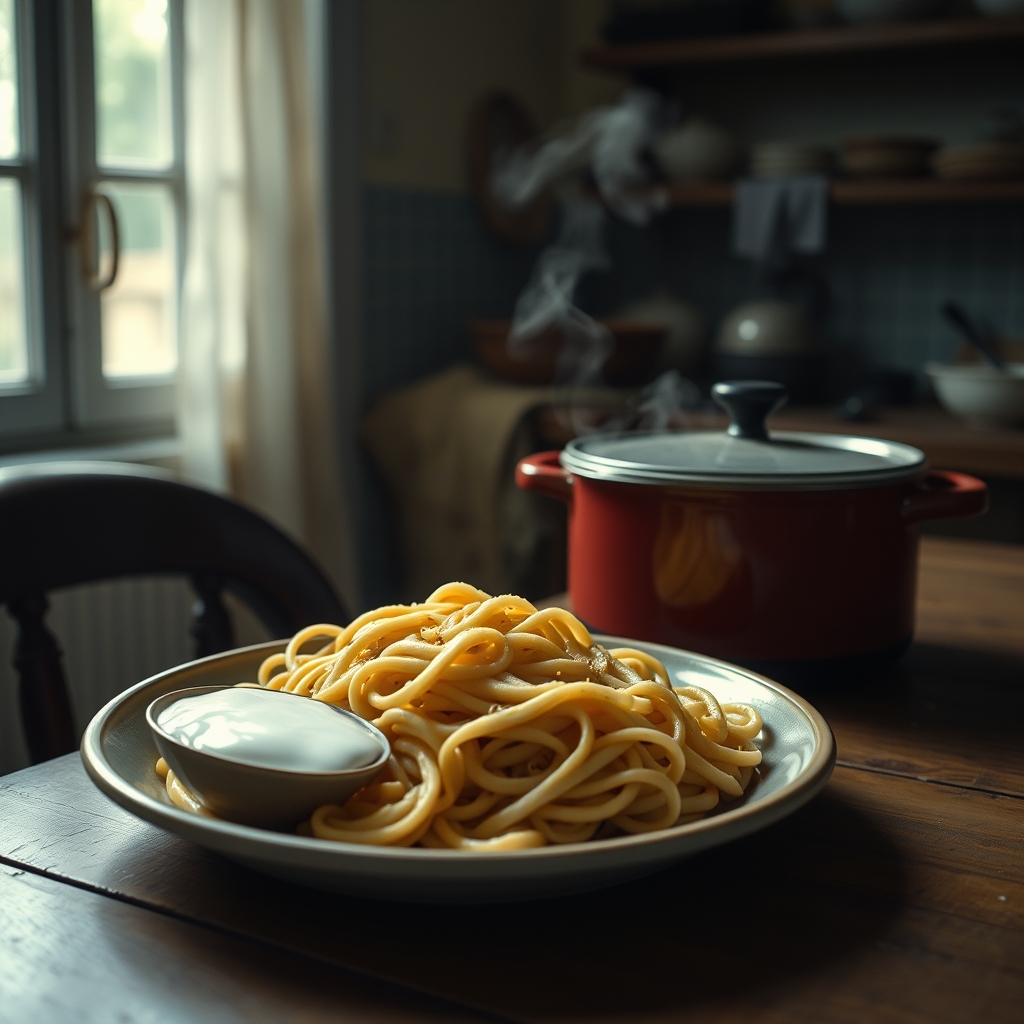
🇬🇧 Buttered Noodle Days: How Do They Tell the Character of the Home Kitchen?
🇹🇷 Tereyağlı Erişte Günleri: Ev Mutfağının Karakterini Nasıl Anlatıyor
Bazı yemekler gösterişli olmadan bir evin bütün mizacını anlatabilir. Tereyağlı erişte de böyledir. Tencereden yükselen sade ama doyurucu koku, kızdırılmış tereyağının mutfakta bıraktığı sıcaklık ve eriştelerin birbirine yapışmadan kabarık kalması için gösterilen küçük özen, eski ev mutfağının karakterini tek başına ele verir. Bu yemek çoğu zaman büyük davet sofralarının değil, gündelik düzenin yemeğidir. Okuldan dönülen bir öğle sonrası, akşam eve yorgun gelinen bir gün ya da misafirsiz ama içten bir aile sofrası... Tereyağlı erişte tam da bu anlarda, evin gösterişten uzak ama kendinden emin tarafını ortaya koyar. Çünkü bazı mutfaklar zenginliğini malzeme çokluğunda değil, sade yemeğe verdiği ciddiyette gösterir.
Damak Hafızası içinde eriştenin yeri, yalnız bir hamur yemeği olmasından değil, ev emeğinin sürekliliğini taşımasından gelir. Erişte kesmek, kurutmak, bez torbalarda saklamak ve gerektiğinde çıkarıp hızla pişirmek, eski mutfakların mevsim ve hazırlık bilgisine dayanırdı. Birçok evde erişte yaz sonunda hazırlanır, kış boyunca dolaptan azar azar çıkarılırdı. Bu yüzden tereyağlı erişte tabağı yalnız o günün yemeği değil, aylar öncesinden planlanmış bir ev içi aklın sonucuydu. Mutfakta işler çoğu zaman tasarrufla özenin kesiştiği yerde yürürdü. Az malzeme ile doyurucu, sade ama içten bir tabak hazırlamak, mutfağın karakterini en iyi anlatan ölçülerden biriydi. Erişte tam da bu nedenle eski ev hayatında güven duygusu veren yemekler arasında yer aldı.
Tereyağlı erişte günleri aynı zamanda mutfakta seslerin ve kokuların hafızaya en güçlü biçimde işlendiği anlardır. Tereyağı tavada köpürürken çıkan hafif cızırtı, tenceredeki suyun kaynama sesi, süzgeçten geçen eriştenin kısa buharı ve masaya konan tabağın üstüne son anda gezdirilen yağın parlaklığı, yemeği tat olmaktan çıkarıp sahneye dönüştürür. Bu sahnede çoğu zaman yanında yoğurt vardır, bazen domates salçasıyla kısa bir destek gelir, bazen de üstüne karabiber serpilir. Ama yemeğin esas kıymeti, kolay bulunur malzemelerle bile evin kendine has lezzet dilini kurabilmesindedir. Her evin tereyağı kokusu biraz farklı, eriştesinin diriliği biraz başka, tabağa koyuş şekli biraz kişiseldi. Ev mutfağının karakteri tam da bu küçük farklarda okunurdu.
Bu yemek, aile içi düzenin sessiz duygularını da taşır. Çocuklar için güvenli bir akşam yemeği, büyükler için israf etmeyen bir mutfak terbiyesi, anneler ve anneanneler için ise eldekiyle iyi bir sofra kurabilmenin sakin gururu anlamına gelirdi. Misafirlik iddiası taşımadan sevgi gösterebilen yemekler arasında olması, tereyağlı erişteyi daha da kalıcı kıldı. Çünkü herkesin kolayca tanıyabileceği bu tabak, sofraya oturana "evdesin" hissi verirdi. Bugün birçok karmaşık tarif unutulurken tereyağlı eriştenin anılması biraz da bundan kaynaklanıyor. O, tariften çok his taşıyor. Kaç dakika haşlandığı ya da ne kadar yağ konduğu kadar, hangi gün piştiği, kimlerin birlikte yediği ve mutfağın o sırada nasıl koktuğu da önem kazanıyor.
Şimdi paketli hızın ve aşırı seçeneklerin içindeki modern mutfaklarda tereyağlı erişte günleri daha da anlamlı görünüyor. Çünkü bu yemek, ev mutfağının karakterinin gösterişten değil devamlılıktan kurulduğunu hatırlatıyor. Sadelik, ölçü, hazırlık bilgisi ve sıcaklık bir araya geldiğinde küçük bir tabak bile büyük bir hafıza taşıyabiliyor. Tereyağlı erişte bu yüzden yalnız eski bir lezzet değil; evde pişen yemeğin aile diline nasıl dönüştüğünün de örneği. Eski mutfakların karakteri, belki de en iyi böyle tabaklarda saklı kaldı: sessiz, doyurucu, açık ve içten.
🇵🇹 Dias de Macarrão Com Manteiga: Como Contam o Caráter da Cozinha de Casa?
Alguns pratos conseguem contar todo o temperamento de uma casa sem qualquer ostentação. O macarrão com manteiga é um deles. O aroma simples, mas reconfortante, que sobe da panela, o calor deixado na cozinha pela manteiga derretida e o pequeno cuidado para que a massa fique solta e fofa, em vez de grudada, já revelam sozinhos o caráter da antiga cozinha doméstica. Em geral, não era a comida das mesas de grande recepção, mas da ordem cotidiana. Uma tarde depois que as crianças voltavam da escola, uma noite em que todos chegavam cansados ou uma refeição de família sem visitas, mas cheia de sinceridade. Nesses momentos, o macarrão com manteiga mostrava o lado da casa que era modesto, mas seguro de si. Algumas cozinhas demonstravam sua riqueza não pela abundância de ingredientes, mas pela seriedade com que tratavam um prato simples.
Dentro da memória do paladar, o lugar dessa massa não vem apenas do fato de ser um alimento de farinha, mas de carregar a continuidade do trabalho doméstico. Cortar a massa, secá-la, guardá-la em sacos de pano e tirá-la quando necessário dependia do conhecimento de estação e dos hábitos de preparo das cozinhas antigas. Em muitas casas, a massa era preparada no fim do verão e usada aos poucos durante o inverno. Por isso, um prato de macarrão com manteiga nunca era apenas a refeição daquele dia. Era o resultado de uma inteligência doméstica pensada meses antes. A vida na cozinha andava muitas vezes no ponto em que economia e cuidado se encontravam. Preparar um prato farto com poucos ingredientes, simples mas afetuoso, era uma das melhores medidas do caráter de uma cozinha. É por isso que essa massa se tornou um dos alimentos que transmitiam confiança na antiga vida da casa.
Os dias de macarrão com manteiga também são momentos em que os sons e os cheiros da cozinha se gravam com mais força na memória. O chiado leve da manteiga espumando na frigideira, o som da água fervendo, o vapor breve da massa passando pelo escorredor e o brilho final da manteiga espalhada no prato transformam a refeição em cena. Em geral há iogurte ao lado, às vezes um toque de molho de tomate, às vezes pimenta-do-reino por cima. Mas o verdadeiro valor do prato está no modo como uma casa consegue criar sua própria linguagem de sabor com ingredientes fáceis de encontrar. Cada casa tinha um cheiro de manteiga um pouco diferente, uma firmeza de massa um pouco particular e um jeito próprio de servir. O caráter da cozinha de casa podia ser lido exatamente nessas pequenas diferenças.
Essa comida também carrega as emoções silenciosas da ordem familiar. Para as crianças, significava um jantar seguro; para os mais velhos, refletia uma ética de cozinha que evitava desperdício; para mães e avós, trazia o orgulho calmo de montar uma boa mesa com o que havia. Sua capacidade de demonstrar afeto sem pretender a grandeza da hospitalidade tornou o macarrão com manteiga ainda mais duradouro. Como era um prato reconhecível para quase todos, dava a quem se sentava à mesa a sensação de "você está em casa". O fato de ele ainda ser lembrado enquanto tantas receitas complicadas desaparecem se explica em parte por isso. Ele carrega sentimento tanto quanto receita. Não importa apenas o tempo de cozimento ou a quantidade de manteiga, mas também em que tipo de dia foi preparado, quem comeu junto e como a cozinha cheirava naquele instante.
Hoje, em cozinhas modernas cheias de rapidez embalada e opções em excesso, os dias de macarrão com manteiga parecem ainda mais significativos. Eles lembram que o caráter da cozinha de casa não se constrói pelo exibicionismo, mas pela continuidade. Quando simplicidade, medida, conhecimento prático e calor se juntam, até um prato pequeno consegue carregar uma memória grande. É por isso que o macarrão com manteiga permanece mais do que um sabor antigo. Ele é um exemplo de como a comida feita em casa se transforma na linguagem de uma família. O caráter das cozinhas antigas talvez tenha ficado melhor preservado justamente em pratos assim: silenciosos, nutritivos, abertos e sinceros.