 Eski Pano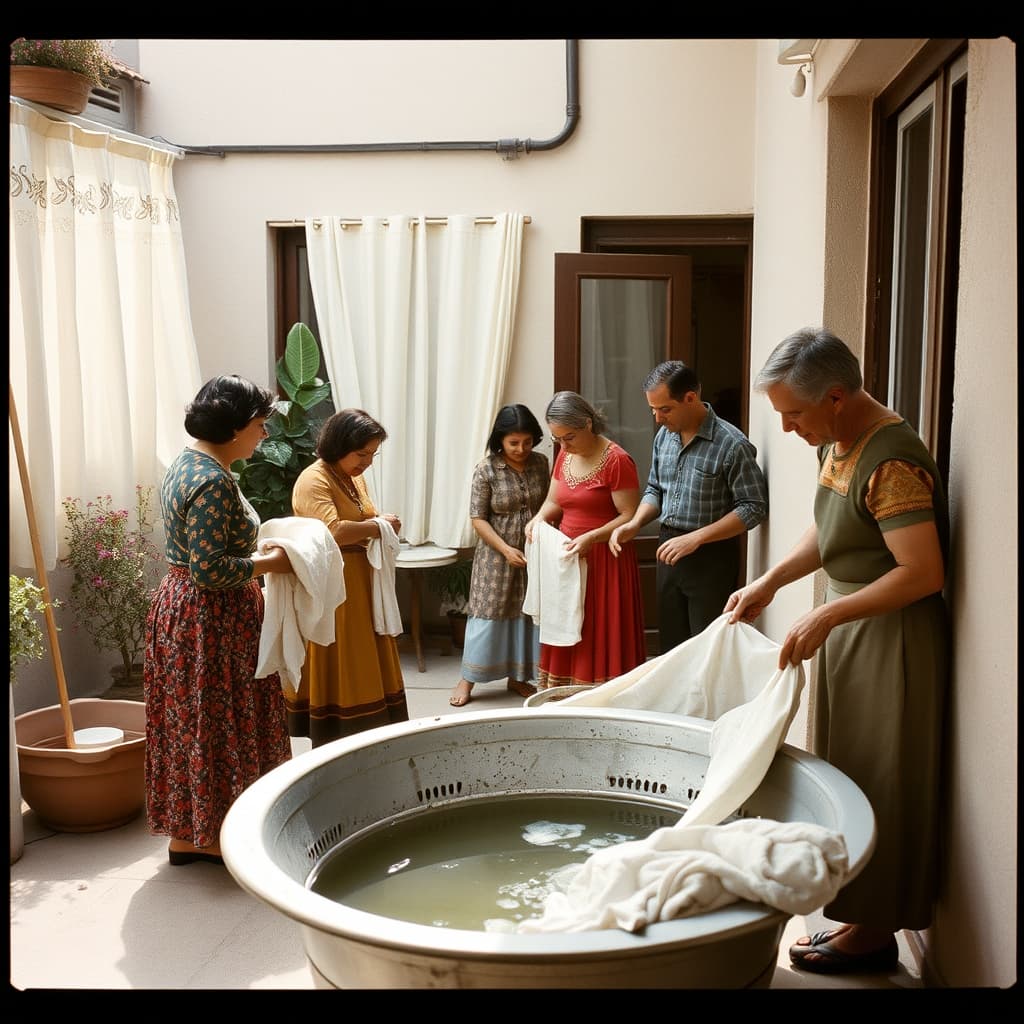
Before a holiday, a zinc washbasin could return to the centre of household work. Water, cloths, soap, and garments gathered around its wide rim while rooms were aired and surfaces cleaned. When rinsed and dried, the basin seemed to shine again. That renewed face could make an ordinary tool feel like a family heirloom, although its value came from repeated use rather than ceremonial display.
Objects casually called zinc basins were often sheet steel protected by a zinc coating, though construction varied. Seams, rolled rims, handles, galvanised patterns, solder repairs, and maker marks help identify them. A bright metallic surface does not prove age or exact material. Aggressive scratching or chemical tests can destroy coating, so uncertain pieces deserve specialist assessment.
One Basin Served Many Tasks
The same vessel might carry water, soak laundry, rinse curtains, wash children, prepare cleaning cloths, or hold household items temporarily. Uses differed by family and period, and food preparation should not be assumed merely because a basin appears in a kitchen photograph. Cross-contamination, cleaning residues, corrosion, and unknown past use make old utility vessels unsuitable for food without clear safety evidence.
Holiday cleaning expanded ordinary routines. Curtains came down, guest textiles were refreshed, floors and windows received attention, and storage was reorganised. The basin made water portable where plumbing was limited or distant. Its apparent simplicity hid lifting, bending, wringing, drying, and repeated trips. Women frequently carried much of this labour, though household roles varied.
Wear Records Technique
A flattened rim may show gripping; scratches reveal contact with floors or tools; a patch records repair rather than failure. White corrosion products, rust where coating was lost, and mineral deposits document water and storage conditions. They also indicate vulnerability. Leaving the basin wet or nested tightly with damp vessels accelerates damage.
Historical cleaning methods should not automatically be repeated. Abrasive powders, strong acids, bleach, and wire brushes can remove zinc, react with metal, or create harmful residues. For preservation, dry dusting and advice suited to the exact material are safer starting points. The goal is stability and evidence, not a mirror finish that erases years of use.
Inheritance Changed the Object's Job
As washing machines, plumbing, plastic containers, and new bathrooms changed domestic work, the basin moved to storage, garden use, decoration, or a display cabinet. Descendants might remember a grandmother's holiday preparations but not the basin's other duties. Oral history should ask who used it, where water came from, how it was stored, and which repairs were made.
A heavy basin filled with water creates lifting risk, particularly on wet floors. Historic pieces with sharp edges, leaks, unstable seams, or corrosion should not return to active washing. Reuse as a planter can trap moisture and destroy provenance. A reversible display support preserves the object better than drilling new holes or painting over original surfaces.
A Digital Nostalgia Archive can connect the basin to household photographs, water bills, laundry tools, soap packaging, repair marks, and the voices of people who cleaned with it. The zinc washbasin became an heirloom because it held the practical side of preparation. Its shine before the holiday was not magic; it was the visible result of water, patience, and hands working long before guests arrived.