 Eski Pano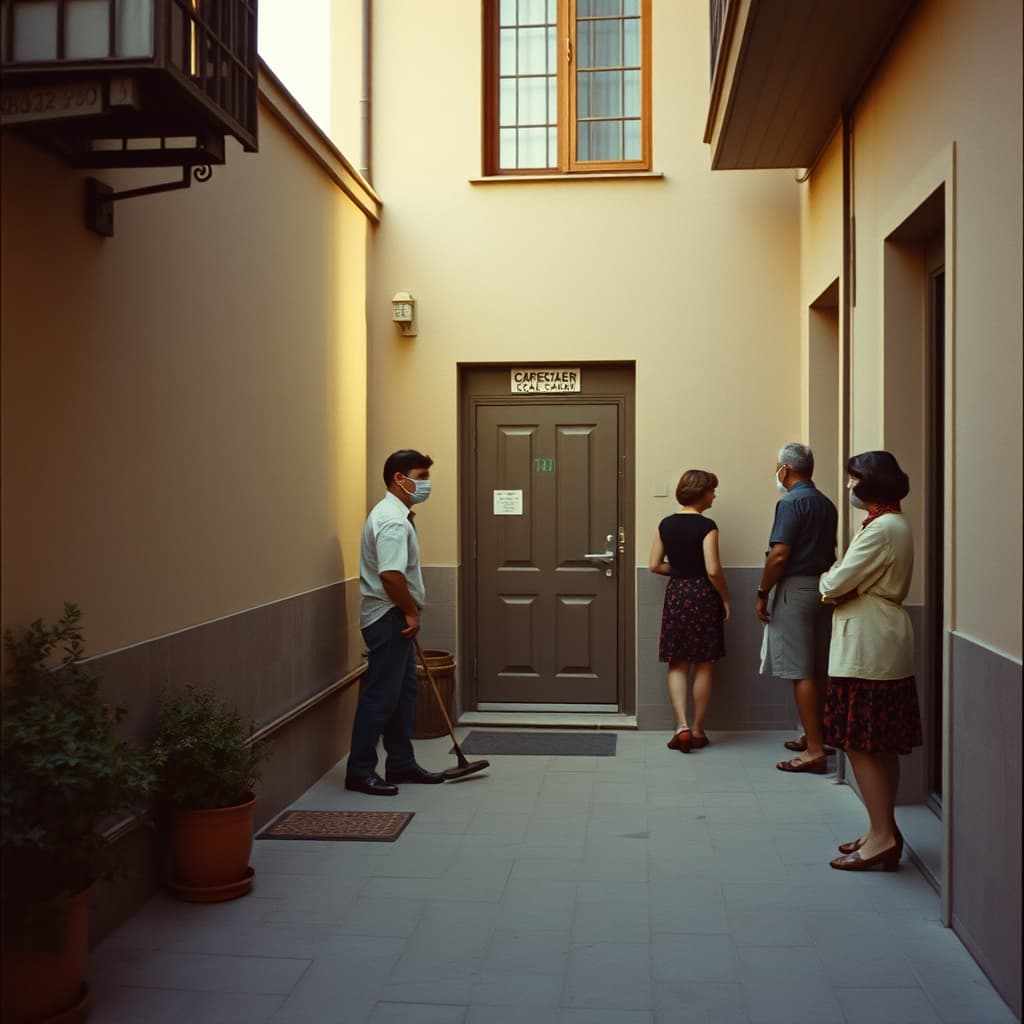
On a quiet summer evening, an apartment entrance could still carry the dry mineral smell of winter coal. The fuel waited behind a basement door while children crossed the hall, neighbours exchanged greetings, and the caretaker swept dust from the threshold. What memory describes as atmosphere was actually part of the building's heating infrastructure, stored for months beneath everyday movement.
Coal storage differed by building, city, heating system, ownership, and period. Some households had separate cellar compartments; others shared a fuel room or received deliveries closer to winter. Central boilers and individual stoves required different routines. A photograph of sacks by a stairwell cannot explain the system alone; plans, fuel receipts, resident testimony, and maintenance records are needed.
The Entrance Connected Home and Utility
Apartment halls were social spaces and service routes at once. Residents collected mail, waited for visitors, carried shopping, moved prams, and passed deliveries. Coal travelled through the same circulation areas, leaving dust on steps and walls. Building rules tried to balance access, cleanliness, storage, and fire escape. Blocking corridors with sacks or tools created danger, however familiar the practice seemed.
The smell could come from coal dust, damp storage, soot, other basement materials, or poor ventilation. Odour is not a reliable safety detector. Carbon monoxide has no smell, and fuel areas can present fire, respiratory, trip, and contamination risks. Professional heating inspection, clear exits, ventilation suited to the system, alarms, and current regulations matter more than sensory confidence.
Caretaker Labour Kept the Boundary Working
Caretakers and building workers received deliveries, opened storage, moved fuel, tended boilers, removed ash, cleaned entrances, and responded to residents. The role involved lifting, dust, heat, early hours, and responsibility for a shared system. Family members could also perform these tasks. The polished entrance seen by visitors depended on labour concentrated behind the basement door.
Protective equipment, safe lifting, dust control, training, and appropriate storage were not luxuries. Coal should remain away from ignition sources and routes of escape. Children should not play in fuel rooms or be assigned hazardous carrying and ash work. A warm memory of recognising the caretaker does not excuse unsafe employment or inadequate housing management.
Summer Storage Revealed Winter Inequality
Buying fuel in advance could reflect planning, price strategy, or fear of shortage. Not every household had money, dry storage, or reliable delivery. Residents in upper floors, damp buildings, or poorly insulated flats experienced the same heating system differently. Neighbourly arrangements helped, but safe and affordable energy required institutional as well as personal solutions.
As natural gas, district heating, improved insulation, and new boilers replaced coal in many buildings, cellars changed use. Some became storage rooms, workshops, or neglected spaces. Residual dust and contaminated surfaces may require professional assessment before conversion. Erasing every trace can remove history, but leaving hazardous residue untreated is not preservation.
A Digital Nostalgia Archive can connect building plans, coal receipts, boiler manuals, keys, cellar photographs, residents' rules, and testimony from caretakers and tenants. Exact addresses may need privacy protection. The summer coal-cellar smell remains memorable because it joined seasons inside one doorway. Beneath evening conversation, the building was already storing the labour, fuel, and risk of the coming winter.