 Eski Pano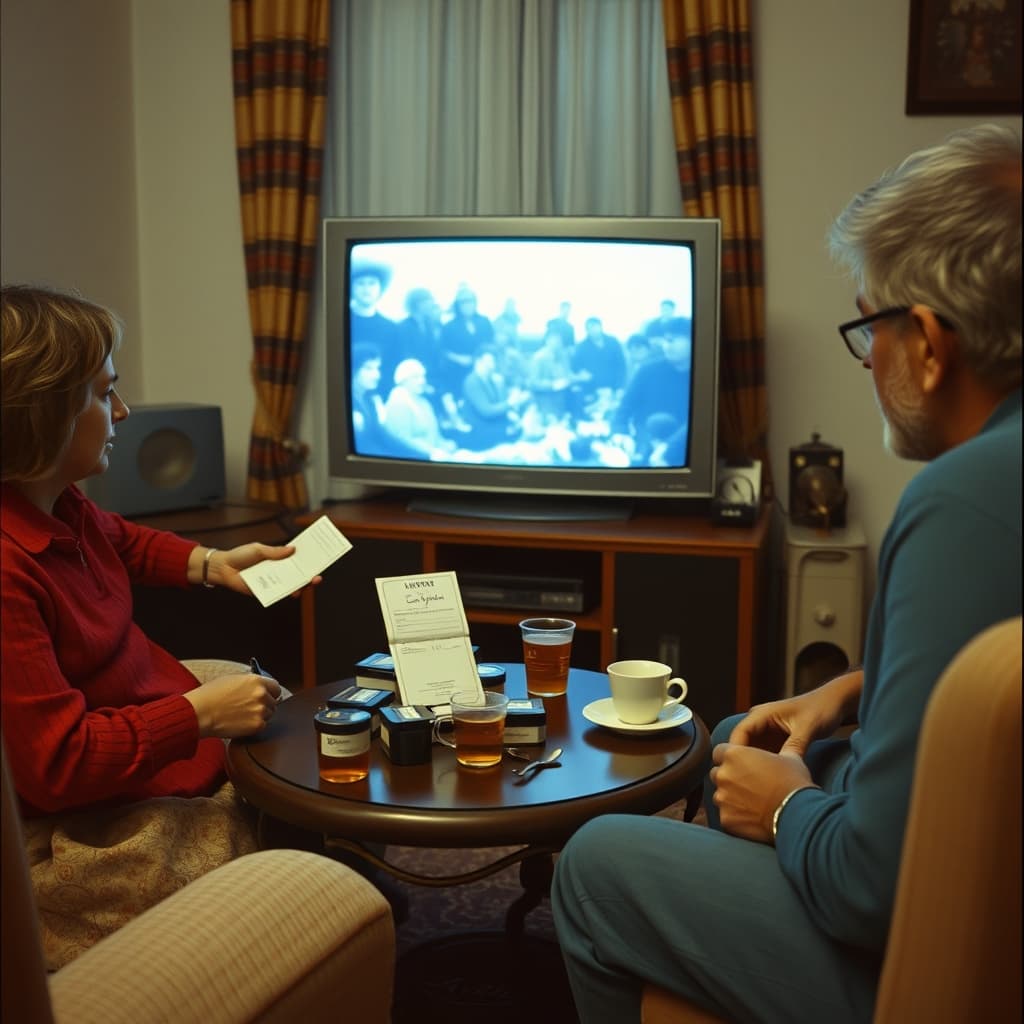
A video player made film night begin long before the picture appeared. Someone selected a cassette, checked whether it had been rewound, connected the television, found the correct input or channel, and asked the room to settle. The machine gave households control over timing, yet that control came with a sequence of handling, adjustment, and negotiation that turned viewing into a small domestic ceremony.
Home video was not one universal system. VHS, Betamax, Video 2000, and other formats differed by market and period, while PAL, SECAM, and NTSC standards affected compatibility. A cassette that physically fitted one machine might not play correctly elsewhere. Accurate documentation needs the recorder model, format, television standard, tape speed, connection type, and date.
Choosing the Cassette Was Social
Rental shops, borrowed tapes, off-air recordings, home videos, and purchased films created different viewing cultures. Cover artwork and handwritten labels influenced choice, sometimes inaccurately. Families debated genre, suitability, length, and who had already seen the film. Access depended on money, local stock, household rules, and whether someone accepted responsibility for returning a rental on time.
The room also had a hierarchy. Adults often chose content and controlled the remote; children might be invited, sent to bed, or allowed to watch from behind a doorway. Someone arranged snacks, tea, seating, and interruptions while others focused on the screen. Shared excitement was real, but domestic labour did not disappear when the cassette began turning.
Playback Needed Mechanical Cooperation
The machine pulled magnetic tape from the cassette and guided it around a rotating video head drum through rollers, guides, and capstans. Dirt, worn belts, hardened rubber, misalignment, or damaged tape caused poor loading, noise, unstable images, or ejection. Tracking controls could improve alignment during playback, but they could not repair creased tape or restore lost magnetic information.
Rewinding became a courtesy, particularly with rentals, but frequent high-speed transport also stressed ageing tape. A jammed cassette should not be pulled by force. Technicians used service manuals, test equipment, cleaning methods, and replacement parts. Household cleaning cassettes had limits, and inappropriate liquids or abrasive materials could damage video heads.
Magnetic Tape Is a Fragile Archive
Heat, humidity, mould, dust, magnetic fields, poor winding, and repeated playback degrade tapes. Cassettes should be stored upright in clean cases under stable conditions. Mouldy or damaged tape should not be played in a healthy machine because contamination can spread. Specialist inspection and digitisation may be necessary, especially for unique family recordings.
Digitisation is not a single permanent rescue. Capture equipment, time-base correction, file format, metadata, backups, and future migration all matter. Copyright applies to commercial films and broadcasts, while home recordings involve consent and privacy. The label on the cassette should be photographed even when its claims need verification.
A Digital Nostalgia Archive can connect machines, remotes, rental cards, catalogues, cassettes, repair invoices, television listings, and family testimony. The video player remains memorable because it made repetition newly available: pause, rewind, replay, and gather again. Film night felt like a ritual because technology gave the household choice while asking everyone to cooperate with the machine, the tape, and one another.