 Eski Pano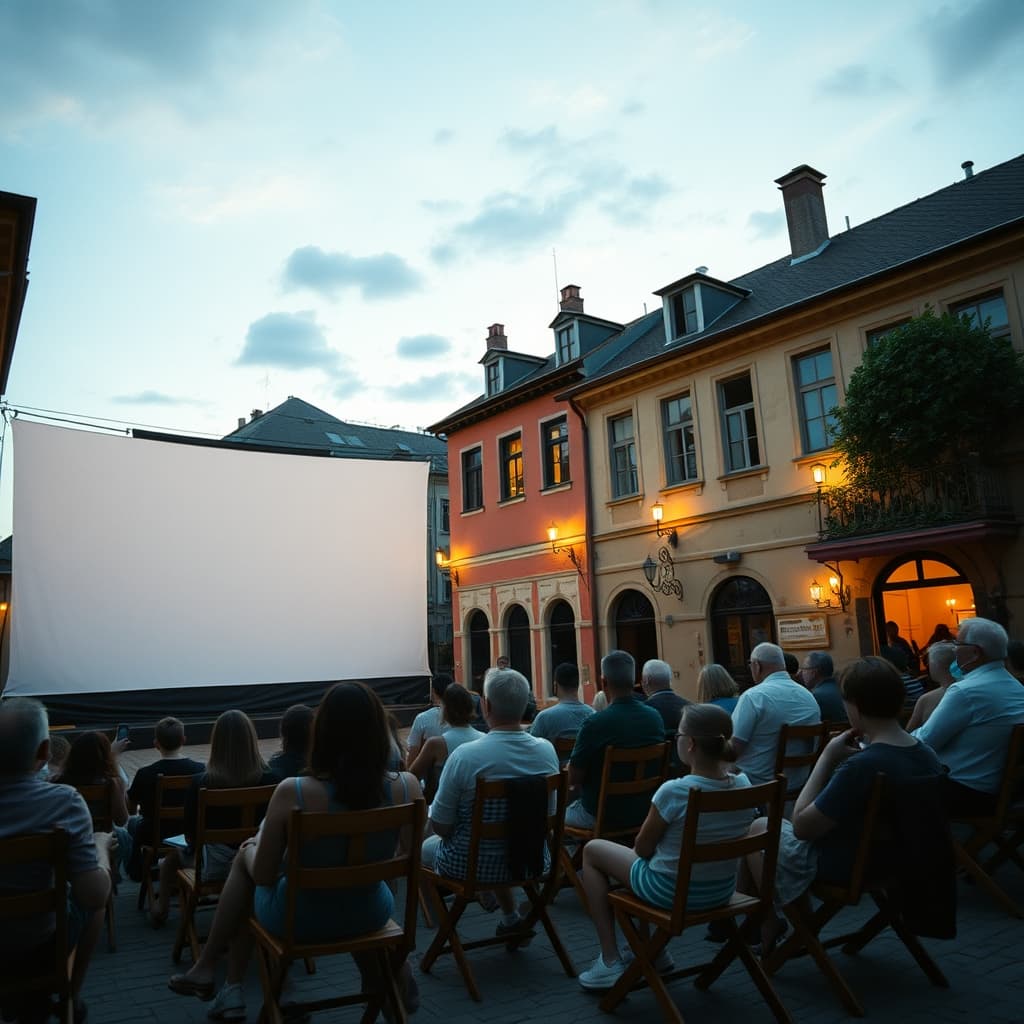
A summer cinema began before the first image reached the outdoor screen. In the late afternoon, staff prepared seating, checked the projection area, cleared paths, and dealt with the dust and heat accumulated through the day. Viewers arrived as sunlight weakened, choosing places according to price, habit, family size, and what remained available. The cooling air was not a decorative detail; it changed the comfort of waiting and helped separate the cinema night from the enclosed routines of winter.
Open-air cinemas varied widely. Some occupied permanent gardens or courtyards, others used seasonal lots, terraces, or adapted public spaces. Seating, sound, screen size, programme, refreshments, and neighbourhood setting differed by city and period. The phrase screen beneath the sky captures the atmosphere, but a responsible account does not turn every venue into the same romantic scene. Access, comfort, and safety were uneven.
The Afternoon Made the Night Possible
Projection required technical work out of sight of much of the audience. Film reels had to be prepared, equipment checked, focus and framing adjusted, and sound monitored. Wind could move loose surfaces; ambient light delayed a clear picture; street noise competed with dialogue. Interruptions, reel changes, or faults were part of the event. Operators and attendants managed these conditions while the crowd judged the result immediately.
The venue had another working rhythm. Chairs needed arranging, tickets selling, entrances watching, and rubbish clearing. Food and drink vendors prepared for a brief concentration of customers. Nostalgia for warm evenings should not conceal long hours, seasonal uncertainty, physical labour, or the possibility that neighbours experienced the sound as disturbance rather than pleasure.
The Audience Shared More Than the Film
An outdoor audience reacted visibly. Laughter moved across rows, a dramatic moment quieted conversation, and children turned to watch the adults as much as the screen. Late arrivals crossed sightlines, chairs scraped, and familiar people greeted one another. The film provided a common centre, but weather, insects, nearby traffic, food smells, and voices became part of how it was remembered.
Family rules shaped attendance. Children might be allowed to stay awake later, provided they remained close and walked home together. Adults chose seats, managed spending, and decided whether an interruption justified leaving. Not everyone felt equally welcome, and social expectations could restrict attendance or behaviour. Collective memory should include those limits rather than presenting public leisure as universally open.
The Walk Home Completed the Programme
When the lights rose, the audience dispersed into streets that had cooled since afternoon. People repeated lines, debated the ending, looked for relatives, and carried sleepy children or folded cushions. The route home extended the film through conversation. Shopfronts closing, distant music, and quieter pavements placed the shared fiction back inside the everyday city.
For a Digital Nostalgia Archive, summer cinema matters because it joined temporary technology, seasonal climate, labour, and public gathering. The vivid memory of cooling afternoons and night screens did not come from the film alone. It came from preparation, anticipation, shared inconvenience, and the return journey. Preserving the scene means remembering the projector and ticket desk as clearly as the stars above the screen, because all of them helped the city turn an ordinary warm evening into a collective event.