 Eski Pano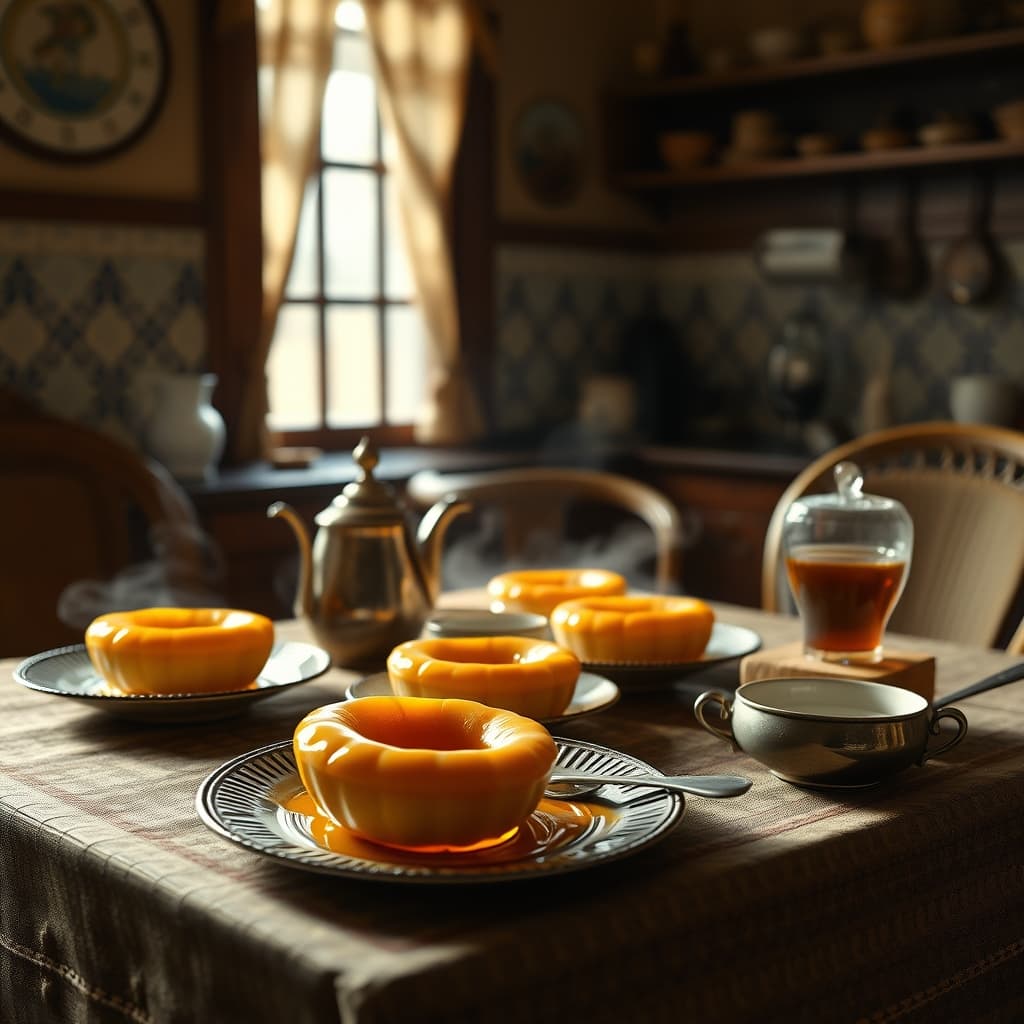
Halka dessert entered the home carrying evidence of the street. Its ridged rings or joined curves had been shaped, fried, soaked or coated in syrup, then arranged for sale before being wrapped for the journey. By the time the package reached the table, syrup might have marked the paper and the crisp exterior had begun to soften. The first bite held both conditions at once: a fried shell resisting briefly before giving way to a dense, sweet centre.
Recipes and forms vary by maker, region, and period. Dough composition, piping method, frying temperature, syrup density, size, and serving time all affect the result. Halka tatlı belongs to a broader family of fried, syruped sweets, but that relationship does not make every version identical. A responsible food history avoids declaring one formula universally authentic and instead notices the craft decisions visible in texture, colour, and shape.
The Ridges Were Part of the Cooking
The patterned surface was not decoration alone. Ridges increased the area meeting hot oil and later syrup, helping create contrast between exterior and interior. Oil temperature required control: insufficient heat encouraged heavy absorption, while excessive heat coloured the outside before the centre cooked properly. Syrup timing mattered too. The desired texture depended on the temperatures of sweet and syrup, the length of contact, and how long the finished pieces waited before serving.
Street preparation involved demanding labour. Shaping repeated portions, working near hot oil, lifting batches, managing syrup, serving customers, and keeping the station orderly required concentration and stamina. Nostalgia for aroma and shine should not conceal heat, risk, long standing hours, and economic uncertainty. Food safety also matters: clean equipment, suitable oil management, protected ingredients, and responsible storage are essential in both commercial and domestic preparation.
The Paper Package Changed the Family Table
At home, the dessert could arrive without plates or ceremony. The paper opened in the centre, portions were divided, and fingers or forks negotiated the sticky surface. Someone chose the crispiest piece; another preferred one that had absorbed more syrup. Tea or water balanced the sweetness. The purchase therefore became a domestic event not because it was cooked in the household kitchen, but because the household decided how, when, and with whom it would be shared.
The package also carried information. Quantity reflected budget and the number expected at the table. A child sent to buy it had to protect the parcel, resist opening it early, and return with correct change. The route from stall to home linked local commerce with household planning. When the aroma spread through the room, it announced not a recipe being prepared but a treat deliberately brought into the day’s routine.
Old Kitchen Culture Included Food Made Beyond the Kitchen
Domestic culinary memory is sometimes described only through dishes cooked at home. Halka dessert complicates that boundary. Street specialists contributed techniques, equipment, and consistency that households did not necessarily reproduce. The family table added its own knowledge through serving, portioning, hospitality, and comparison with previous purchases. Preserving the sweet means recognising both forms of labour rather than claiming it as exclusively street or home food.
For a Digital Nostalgia Archive, halka dessert matters because it reveals how taste travels. The ridged ring moved from hot oil to syrup, counter, paper, hand, street, and table. Childhood memory often settles on the first bite, but that bite depended on a chain of skill and decisions. Its place in old culinary culture survives most honestly when the sweetness is remembered alongside the vendor’s craft, the journey home, and the family’s small ritual of opening the package together.