 Eski Pano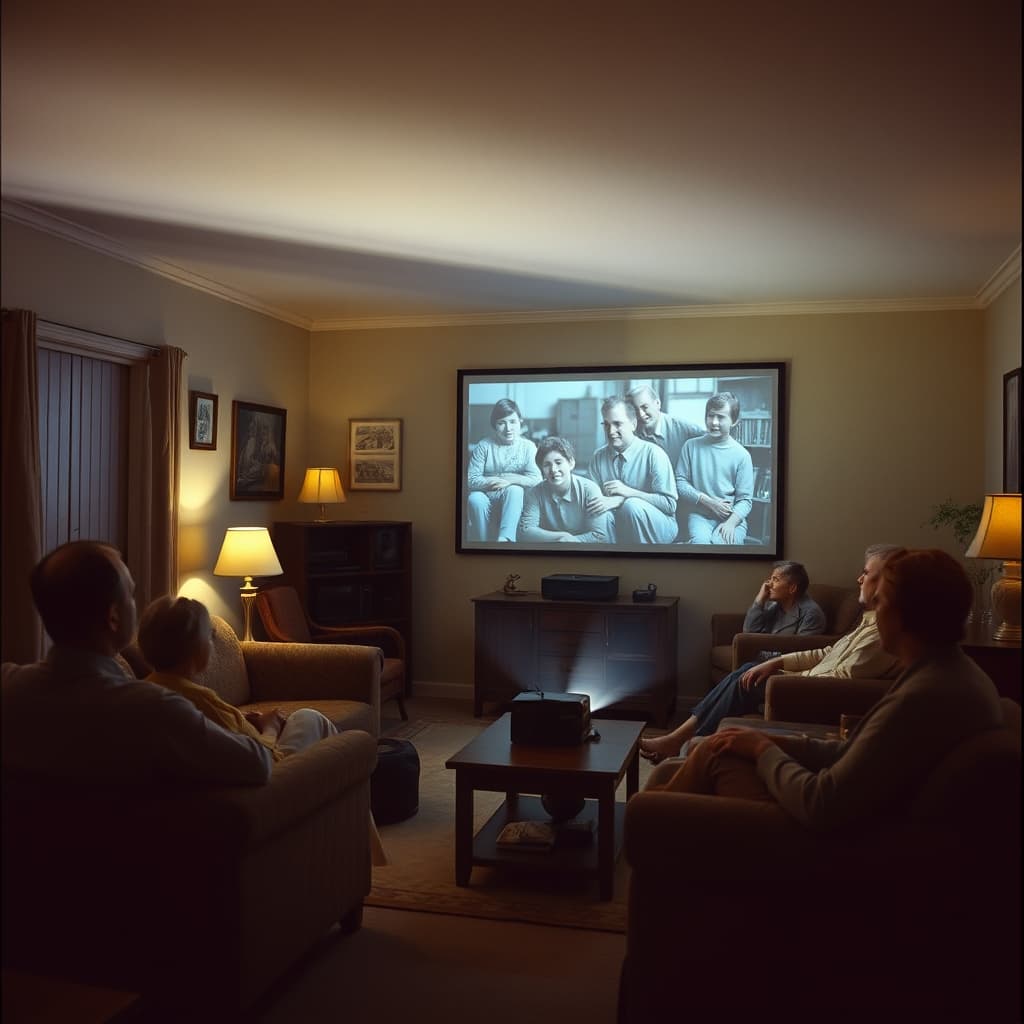
A slide projector could turn an ordinary sitting room into a temporary theatre, but the transformation required more than switching off the lights. Someone selected mounted transparencies, checked their order, cleaned away visible dust, and placed them into a tray or magazine compatible with the machine. A pale wall or portable screen had to be cleared. Chairs shifted, curtains closed, and the projector found a stable surface at the right distance. Anticipation grew through this visible preparation: the family knew that small photographs would soon become larger than the furniture around them.
The equipment differed by period and manufacturer. Some projectors accepted straight trays, others circular magazines, and earlier arrangements could require individual handling. A lamp sent intense light through the transparency while a lens enlarged the image. The mechanism advanced each frame, manually or by remote control. This was an optical and mechanical process, not a mysterious household trick. Heat, bulb life, voltage, lens condition, and alignment affected the result, and careless handling could damage both machine and film.
Focus Was a Form of Care
The first projected frame often prompted adjustment. The operator moved the projector or turned the focusing ring until faces and distant details appeared clear. A slide inserted upside down or reversed produced immediate laughter and a pause for correction. Dust became an enormous mark on the wall. These imperfections taught viewers how enlargement changes attention: a tiny scratch, unnoticed in the hand, could dominate the room when illuminated.
Good operation also meant respecting heat and electricity. Ventilation openings needed space, the hot lamp housing was not a place for children’s fingers, and a jammed slide called for patience rather than force. After the show, the lamp and machine needed time to cool. Remembering such practical knowledge matters because domestic technology was sustained by habits of maintenance, not merely by purchase.
Pictures Acquired Voices
Projection changed photographs into prompts for conversation. A holiday landscape invited directions and corrections; a wedding portrait brought names; a child’s expression reopened a family anecdote. The person controlling the tray also controlled pace, sometimes moving too quickly for an older relative or lingering while several people argued over a date. Commentary did not simply explain the image. It revealed who remembered, who had been absent, and which version of an event the household preferred.
Not every evening was harmonious. Repeated stories could bore younger viewers, technical delays tested patience, and ownership of the camera often shaped whose life appeared most fully. Some relatives remained outside the frame because film was limited, cameras were expensive, or social customs influenced who took photographs. A family archive therefore records choices and omissions as well as affection.
Preserving the Show Beyond the Machine
Today, surviving slides deserve careful treatment. Labels on boxes and trays should be copied before rearrangement. Gloves are useful when handling edges, while the image surface should remain untouched. Cool, dry, stable storage helps slow fading and mould. Scanning can improve access, but the original order, mounts, captions, and projector instructions carry information that a folder of digital files may lose. A qualified conservator should advise when film is warped, mouldy, or unusually fragile.
For a Digital Nostalgia Archive, the slide evening joins object, image, performance, and spoken memory. The machine enlarged photographs, yet the family supplied sequence, sound, and meaning. Preserving that culture means recording how trays were loaded, where the projector stood, who operated it, what interruptions occurred, and which stories returned whenever a familiar frame appeared. The excitement belonged not only to the glowing wall, but also to the collective work that made the wall come alive.