 Eski Pano
In old neighborhoods, a summer evening gained a special kind of movement just before the sun withdrew fully and while dinner tables were already being prepared. During Ramadan especially, the hours before iftar formed a distinct time when the heart of the street seemed to beat faster. Pots sounded from kitchens, those returning from the bread line quickened their steps, children were called with reminders that the evening prayer was near, and apartment doors opened and closed more often than usual. Yet in all this movement there was not only haste, but warmth. Everyone was moving toward the same hour, carrying the same thirst, the same patience, and the same expectation of relief at the table. While the long light of summer still lingered on building facades, neighborhood streets stopped being mere passageways and became public scenes of seeing one another, greeting one another, and completing what might be missing.
Within neighborhood culture, the streets before iftar held a special place because domestic preparation and social life outside touched one another so closely there. Soup simmered in one home while a neighbor knocked and handed over a missing lemon. A child returning from the grocer ran with a bag of bread in hand. The smell of hot pita from the bakery filled an entire stairwell. Everyone was preparing their own table, yet at the same time participating in the neighborhood's shared evening. For that reason the movement of the street before iftar carried a feeling very different from the anonymous crowds of modern city life. Here speed did not estrange people. It made them more available to each other's needs. The hurry was not private. It was collective.
One of the main reasons this scene felt so warm was that everyday solidarity became visible. Whether fasting or not, people listened for the same rhythm. Had the elderly neighbor received bread, was the woman living alone missing olives, would the family downstairs make it back in time? These were matters quietly watched over. Those meeting in the street might not stop for long conversation, yet their brief exchanges carried deep closeness: "Do you need anything?" "Did you get the pita?" "If the child is still downstairs, I can bring him up." That is exactly why these hours became the warmest scene of old neighborhoods. The warmth did not come only from the season or the evening light. It came from people making room for one another even when time was short. As iftar approached, the most precious emotion of the street was that neighborliness did not lose its delicacy under pressure.
The role of children in these moving summer hours is equally unforgettable. They wanted to keep playing, yet they also had to hear their mothers' calls. As the call to prayer drew near, the rhythm of play changed. The ball was left in a corner, sweaty hands ran toward the building entrance, and perhaps there was one last stop at the grocer on the way upstairs. In a child's memory, the street before iftar was both playground and field of responsibility. Small tasks brought them into the world of adults: buying yogurt, carrying bread, delivering a plate, asking a neighbor for parsley. In this way neighborhood culture was not only observed, but learned bodily. The child felt the value of sharing and of time itself, because in those few minutes everyone's movement was connected to everyone else's.
Shopkeepers also completed this warm public scene as its quiet supporting actors. The baker lifted the last tray in haste, the greengrocer moved the remaining parsley bunches to the front, and the grocer's hand counted change a little faster than usual. One shopkeeper said, "Go on, the prayer will begin," while another slipped a date into a waiting child's hand. These small gestures turned the neighborhood from a place of transaction into a form of mutual care. The warmth of the street before iftar was fed by exactly these layered relationships. Home, street, and shop joined inside one shared evening feeling.
Today, in many places, iftar preparation may be more closed, quicker, and more individual. Yet it remains clear why the streets that came alive before iftar on summer evenings are still remembered as the warmest scene of old neighborhoods. People were not only hurrying home for dinner. They were hurrying toward a time together. The same light, the same sounds, and the same anticipation drew everyone closer through an invisible bond. Perhaps neighborhood culture appeared in its truest form precisely at that threshold: just before doors closed, just before tables were fully set, while footsteps in the street still touched one another. That is why the scene remains unforgettable. The warmth of old neighborhoods was seen most clearly in the graceful solidarity hidden inside the rush before iftar.
Why Were the Streets That Came Alive Before Iftar on Summer Evenings the Warmest Scene of Old Neighborhoods?
🇹🇷 Yaz Akşamlarında İftar Öncesi Hareketlenen Sokaklar Neden Eski Mahallelerin En Sıcak Sahnesiydi
🇵🇹 Por que as Ruas que Se Movimentavam Antes do Iftar nas Noites de Verão Eram a Cena Mais Acolhedora dos Bairros Antigos?
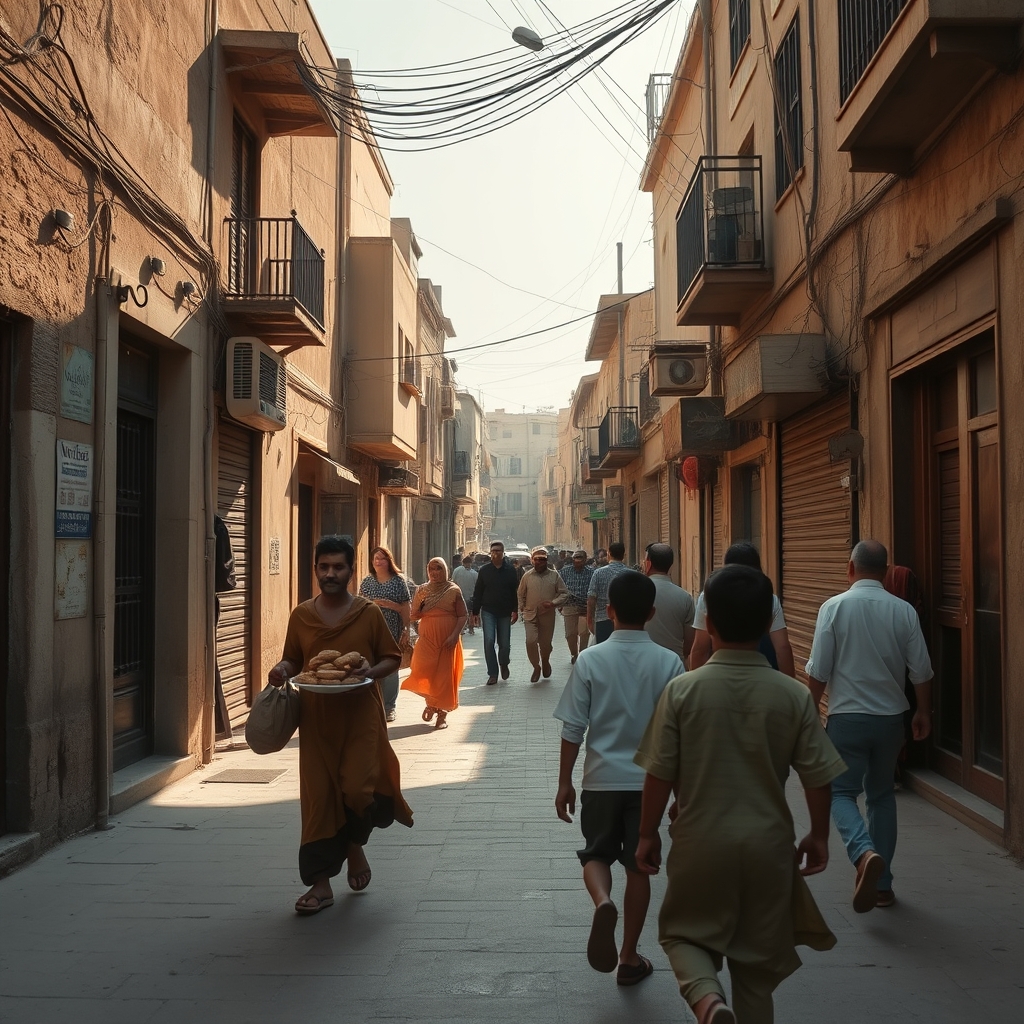
🇬🇧 Why Were the Streets That Came Alive Before Iftar on Summer Evenings the Warmest Scene of Old Neighborhoods?
🇹🇷 Yaz Akşamlarında İftar Öncesi Hareketlenen Sokaklar Neden Eski Mahallelerin En Sıcak Sahnesiydi
Eski mahallelerde yaz akşamı, güneş henüz tam çekilmeden ama sofraların hazırlığı çoktan başlamışken başka türlü bir canlılık kazanırdı. Özellikle ramazan günlerinde iftar öncesi saatler, sokağın kalbini daha hızlı attıran özel bir zaman dilimiydi. Evlerden tencere sesleri gelir, pide kuyruğundan dönenlerin adımı hızlanır, çocuklara "ezana az kaldı" diye seslenilir, apartman kapıları daha sık açılıp kapanırdı. Bu hareketlilikte telaş kadar sıcaklık da vardı. Çünkü herkes aynı saate doğru ilerliyor, aynı susuzlukla sabrı, aynı sofrayla ferahlığı bekliyordu. Yazın uzun akşam ışığı binaların yüzünde oyalanırken, mahalle sokakları yalnız bir geçiş alanı olmaktan çıkar; birbirini görmenin, selamlamanın ve eksik kalan şeyi tamamlamanın kamusal sahnesine dönüşürdü.
Mahalle Kültürü içinde iftar öncesi sokakların özel bir yeri vardır; çünkü bu anlarda ev içi hazırlık ile dışarıdaki toplumsal hayat birbirine değerek ilerler. Bir evde çorba kaynarken komşu kapıyı tıklatıp eksik limonu uzatır, bakkaldan dönen çocuk elindeki ekmek poşetini sallayarak koşar, fırından gelen sıcak pidenin kokusu bir apartmanın bütün merdiven boşluğunu doldurur. Herkes kendi evinin sofrasına hazırlanırken aynı zamanda mahallenin ortak akşamına da katılır. Bu yüzden iftar öncesi sokak hareketi, modern şehir hayatındaki anonim kalabalıktan çok farklı bir duygu taşır. Orada hız yabancılaştırmaz; tam tersine birbirinin ihtiyacına açık olmayı arttırır. Telaş kişisel değil, müşterektir.
Bu sahnenin sıcaklığını belirleyen en önemli şeylerden biri, gündelik dayanışmanın görünür hale gelmesidir. Oruç tutan tutmayan herkes aynı ritme kulak kesilir. Yaşlı komşunun ekmeği alınmış mı, yalnız yaşayan teyzenin zeytini eksik mi, alt kattaki aile iftara yetişebilecek mi, bunlar sessizce gözetilen meselelerdir. Sokakta karşılaşanlar uzun sohbet etmez belki ama kısa cümlelerin içinde büyük bir yakınlık taşır: "Bir şey lazım mı?", "Pide aldınız mı?", "Çocuk aşağıda kaldıysa ben çıkarayım." Eski mahallelerin sıcak sahnesi olmasının nedeni tam da budur. Sıcaklık yalnız havadan ya da yaz akşamının ışığından gelmez; insanların birbirine vakit darlığında bile alan açmasından doğar. İftar yaklaşırken sokağın en kıymetli duygusu, komşuluğun telaş anında bile incelik kaybetmemesidir.
Yaz akşamlarının bu hareketli saatlerinde çocukların rolü de unutulmazdır. Bir yandan top oynamak isterler, bir yandan anneden gelen çağrıyı duymak zorundadırlar. Ezan yaklaşırken oyunun ritmi değişir; top bir köşeye bırakılır, terli ellerle apartman kapısına koşulur, belki yolda son kez bakkala uğranır. Çocuk hafızasında iftar öncesi sokak, hem oyun alanı hem görev alanıdır. Büyüklerin dünyasına küçük işlerle dahil olunur: yoğurt almak, pide taşımak, tabak götürmek, komşudan maydanoz istemek. Böylece mahalle kültürü yalnız seyredilmez, bedenen öğrenilir. Çocuk bu sokakta paylaşmanın da zamanın da önemini hisseder. Çünkü o birkaç dakika içinde herkesin hareketi birbirine bağlıdır.
Bu manzarada esnaf da mahallenin sıcak sahnesini tamamlayan görünmez oyunculardandır. Fırıncı son tepsiyi hızla çıkarır, manav kalan maydanoz demetlerini öne alır, bakkal bozuk para üstünü sayarken eli biraz daha çevikleşir. Kimi dükkân sahibi müşteriye "koş, ezan okunacak" der, kimi kapıda bekleyen çocuğa bir hurma uzatır. Esnafın bu küçük jestleri, mahalleyi yalnız alışveriş yapılan bir yer olmaktan çıkarıp karşılıklı gözetilen bir yaşama dönüştürür. İftar öncesi sokağın sıcaklığı işte bu çok katmanlı ilişkilerden beslenir. Ev, sokak ve dükkân aynı akşam duygusunun içinde birleşir.
Bugün birçok yerde iftar hazırlığı daha kapalı, daha hızlı ve daha bireysel yaşanıyor olabilir. Fakat eski mahallelerde yaz akşamlarında iftar öncesi hareketlenen sokakların neden hâlâ en sıcak sahne gibi hatırlandığı açıktır. Orada insanlar yalnız akşam yemeğine yetişmiyordu; birlikte bir vakte yetişiyordu. Aynı ışık, aynı ses, aynı bekleyiş herkesi görünmez bir bağla birbirine yaklaştırıyordu. Mahalle kültürünün en sahici hali belki de tam bu eşikte görülüyordu: kapılar kapanmadan hemen önce, sofralar kurulmadan bir an evvel, sokakta hâlâ birbirine değen adımlar varken. Bu yüzden o sahne unutulmazdır; çünkü eski mahallelerin sıcaklığı, en çok iftar öncesi telaşın içindeki zarif dayanışmada görünür olurdu.
🇵🇹 Por que as Ruas que Se Movimentavam Antes do Iftar nas Noites de Verão Eram a Cena Mais Acolhedora dos Bairros Antigos?
Nos bairros antigos, a noite de verão ganhava uma movimentação especial antes de o sol desaparecer por completo e enquanto as mesas do jantar já começavam a ser preparadas. No Ramadã, sobretudo, as horas anteriores ao iftar formavam um tempo próprio, em que o coração da rua parecia bater mais depressa. Vinham sons de panelas das cozinhas, quem voltava da fila do pão apressava o passo, as crianças ouviam de longe que faltava pouco para a oração da noite, e as portas dos prédios se abriam e fechavam mais do que o habitual. Mas nessa movimentação havia não apenas correria, e sim acolhimento. Todos avançavam para a mesma hora, com a mesma sede, a mesma paciência e a mesma expectativa de alívio à mesa. Enquanto a luz longa do verão ainda ficava nas fachadas, as ruas deixavam de ser simples lugares de passagem e viravam cenas públicas de encontro, saudação e completude do que pudesse estar faltando.
Dentro da cultura de bairro, as ruas antes do iftar tinham um lugar especial porque ali a preparação doméstica e a vida social do lado de fora se tocavam de perto. Numa casa a sopa fervia, enquanto a vizinha batia à porta trazendo o limão que faltava. Uma criança voltava correndo da mercearia com o saco de pão na mão. O cheiro do pão quente vindo da padaria enchia todo o vão da escada. Cada família montava sua própria mesa, mas ao mesmo tempo participava da noite compartilhada do bairro. Por isso a agitação da rua antes do iftar carregava um sentimento muito diferente do das multidões anônimas da cidade moderna. Ali a pressa não afastava as pessoas. Tornava-as mais disponíveis umas para as outras. A correria não era privada. Era comum.
Uma das razões principais para essa cena parecer tão acolhedora era que a solidariedade cotidiana ficava visível. Jejuando ou não, todos escutavam o mesmo ritmo. O vizinho idoso já tinha recebido seu pão? A senhora que morava sozinha tinha azeitonas em casa? A família do andar de baixo chegaria a tempo? Eram questões observadas em silêncio. Quem se encontrava na rua talvez não parasse para longas conversas, mas as frases curtas carregavam uma grande proximidade: "Está faltando alguma coisa?", "Vocês já pegaram a pita?", "Se a criança ainda estiver lá embaixo, eu a levo." É exatamente por isso que essas horas eram a cena mais acolhedora dos velhos bairros. O calor não vinha apenas da estação ou da luz dourada da noite. Vinha do fato de as pessoas abrirem espaço umas para as outras mesmo quando o tempo apertava. À medida que o iftar se aproximava, o sentimento mais precioso da rua era ver que a vizinhança não perdia sua delicadeza sob pressão.
O papel das crianças nessas horas movimentadas também é inesquecível. Elas queriam continuar brincando, mas precisavam ouvir o chamado das mães. Quando a oração se aproximava, o ritmo da brincadeira mudava. A bola era deixada num canto, mãos suadas corriam para a porta do prédio e talvez ainda houvesse uma última parada na mercearia antes de subir. Na memória infantil, a rua antes do iftar era ao mesmo tempo espaço de jogo e campo de responsabilidade. Pequenas tarefas aproximavam a criança do mundo dos adultos: comprar iogurte, carregar pão, levar um prato, pedir salsinha ao vizinho. Assim, a cultura de bairro não era apenas observada, mas aprendida com o corpo. A criança percebia o valor da partilha e do próprio tempo, porque naqueles poucos minutos o movimento de todos estava ligado.
Os comerciantes completavam essa cena acolhedora como personagens discretos, mas decisivos. O padeiro retirava depressa a última fornada, o verdureiro colocava os últimos maços de salsinha mais à frente e o dono da mercearia contava o troco com a mão um pouco mais ágil. Um dizia "vai logo, já vai dar a hora", outro colocava uma tâmara na mão de uma criança que esperava. Esses pequenos gestos transformavam o bairro de um simples lugar de compra em um espaço de cuidado mútuo. O calor da rua antes do iftar nascia exatamente dessa trama de relações. Casa, rua e comércio se uniam dentro de um mesmo sentimento de fim de tarde.
Hoje, em muitos lugares, a preparação para o iftar pode ser mais fechada, mais rápida e mais individual. Ainda assim, é fácil entender por que as ruas movimentadas antes do iftar nas noites de verão continuam sendo lembradas como a cena mais acolhedora dos bairros antigos. As pessoas não estavam apenas correndo para jantar. Estavam correndo para um tempo em comum. A mesma luz, os mesmos sons e a mesma espera aproximavam todos por um laço invisível. Talvez a cultura de bairro aparecesse de modo mais verdadeiro exatamente nesse limiar: pouco antes de as portas se fecharem, pouco antes de as mesas estarem completas, enquanto os passos na rua ainda se tocavam. É por isso que essa cena permanece inesquecível. O acolhimento dos bairros antigos aparecia com mais nitidez na solidariedade elegante escondida dentro da pressa antes do iftar.