 Eski Pano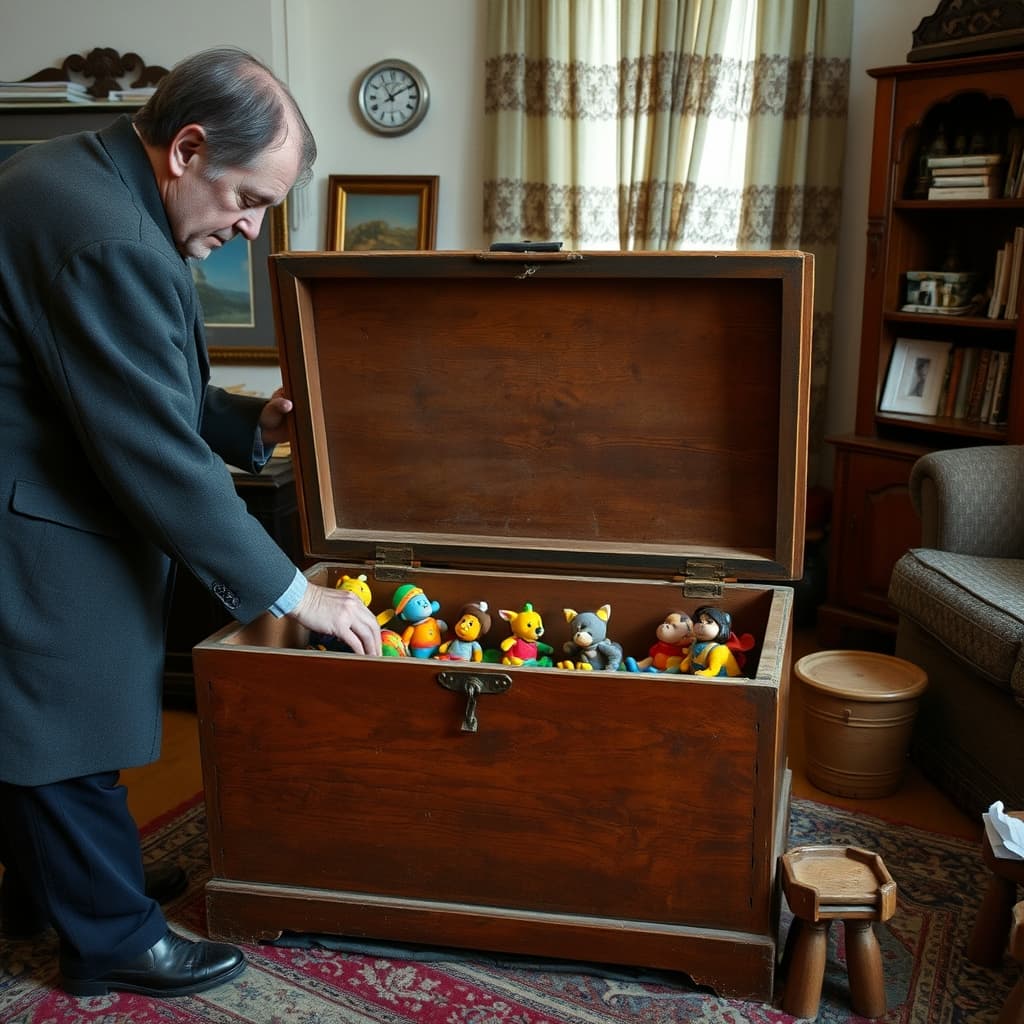
An old wooden toy chest can shine in a living-room display because it carries childhood, craft, and family continuity in one object. It can also contain hazards that are easy to overlook: a heavy falling lid, a locking catch, poor ventilation, splintered edges, unstable paint, small parts, or residues from storage. Preservation must therefore separate display value from permission for children to use it.
Toy chests range from carpenter-made boxes and commercial furniture to reused trunks, crates, benches, and dowry containers. Wood, plywood, fibreboard, joinery, hinges, lid supports, locks, paint, liners, and repairs differ. Photographs, invoices, maker labels, family testimony, tool marks, and contents help establish history, but a chest and the toys inside may have arrived together only recently.
The Lid Is a Mechanical Safety Question
A heavy lid can fall on a child's head, neck, or fingers when hinges, stays, springs, or soft-close mechanisms fail. Small gaps can pinch, while projecting metal can cut. A locking latch can trap a child inside, and an airtight or poorly ventilated chest increases danger. Modern safety assessment should be performed before any interactive use, regardless of how many generations played with it.
Removing historic hardware may reduce evidence, while adding modern supports may alter the object. A conservator and qualified safety specialist can develop a reversible display solution or decide that the chest should remain inaccessible. A barrier, secured open lid, separate replica, or digital interpretation may preserve both object and visitor safety better than a functional demonstration.
Paint and Surface Wear Need Testing
Old coatings may contain lead or other hazardous substances, and later repainting can hide earlier layers. Flaking, chalking, dust, chew marks, worn handles, and exposed substrate need careful assessment. Home sanding, scraping, heat guns, and dry brushing can spread contaminated dust and erase decoration. Visual age does not identify paint chemistry; specialist testing and local hazardous-material guidance are required.
Splinters, protruding nails, loose joints, broken handles, insect tunnels, mould, rodent contamination, and unknown powders also affect handling. Do not place the chest directly in a child's room while these issues are unresolved. Isolate active pests, avoid smelling suspect materials, and use suitable personal protection and professional advice. Cleaning for shine should never precede condition documentation.
The Contents Need Their Own Provenance
Dolls, blocks, marbles, toy vehicles, cards, textiles, batteries, whistles, and improvised objects may date from different decades. Record their positions before sorting. A broken toy can reveal repair and affection, while a replacement part may show later use. Do not invent one child's collection from mixed family material simply because everything fits inside.
Small parts, magnets, button batteries, sharp metal, degraded rubber, brittle plastic, old cosmetics, and painted toys can be unsafe. Historic play objects are not automatically compliant with current toy standards. Handling collections should use screened replicas or objects assessed for age, material, cleanability, choking, electrical, chemical, and mechanical risk.
Display conditions matter. Strong light fades paint and textiles; damp encourages mould and corrosion; heat accelerates plastics; excessive weight distorts the base. Support the lid and structure, distribute contents, allow inspection, control pests, and avoid adhesives or liners that react with surfaces. Labels should explain which elements are original, repaired, replaced, or uncertain.
A Digital Nostalgia Archive can connect the chest to joinery photographs, paint analysis, hardware history, safety assessment, condition map, toy-level inventory, contributor memories, repair evidence, and display decisions. Its attraction becomes more meaningful when childhood is not used to excuse hazard. Preserving the chest means retaining wear and family context while controlling crushing, entrapment, lead, splinter, pest, and small-part risks, and offering safe ways for children to encounter the story.