 Eski Pano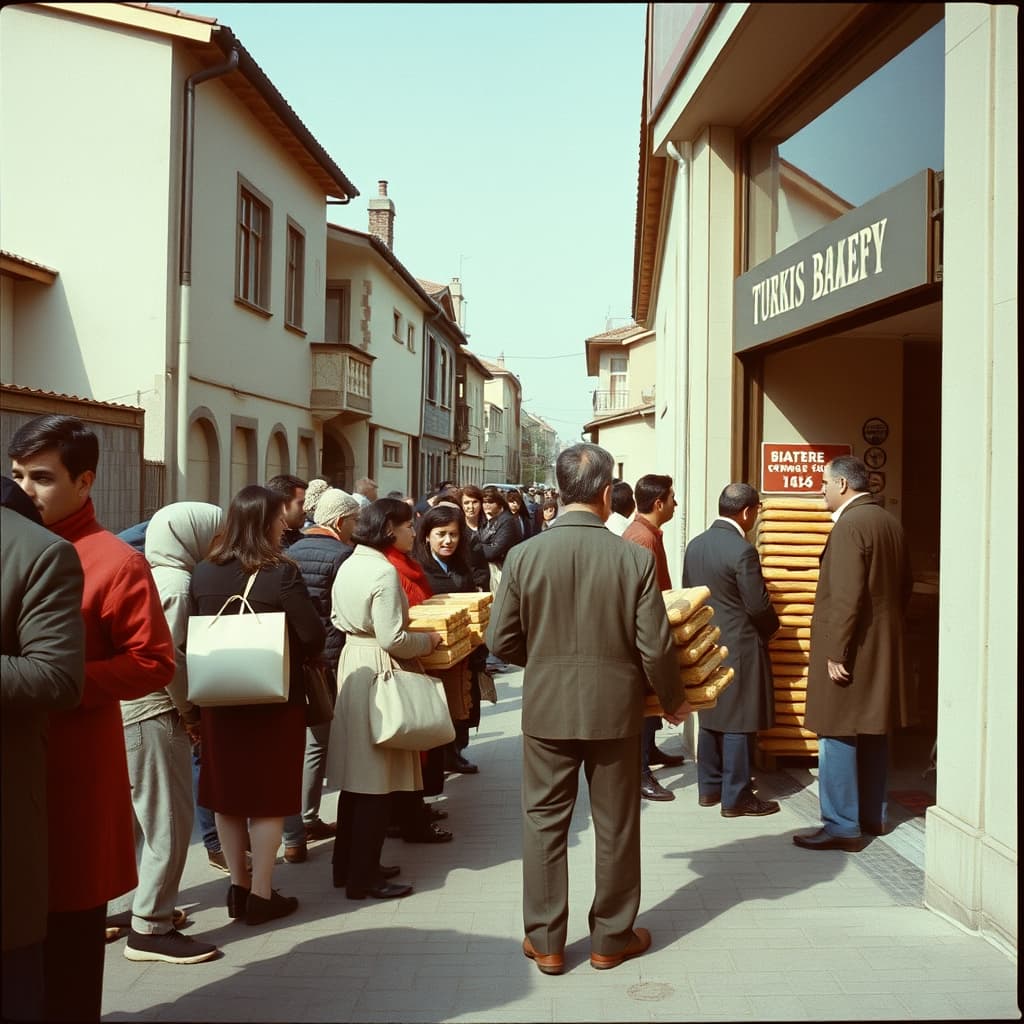
A queue outside a neighbourhood bakery could look like proof that everyone wanted the same warm loaf, but it also measured a production limit. Each oven held only so much, dough needed time, flour arrived on a schedule, and workers could shape and serve at a finite pace. The line made capacity visible on the pavement, along with the rules used to distribute bread when demand arrived faster than the next batch.
Bakery queues differed by city, bread type, season, religious calendar, rationing, fuel, regulation, work shifts, and household habits. A small wood-fired bakery, cooperative oven, municipal outlet, industrial branch, and specialist pide shop had different constraints. Production books, flour invoices, oven plans, price notices, tickets, photographs, permits, and worker testimony identify the real system.
The Queue Began before the Door Opened
Bakers forecast demand, mixed dough, controlled fermentation, divided pieces, prepared ovens, and timed batches. Temperature, yeast, flour, hydration, labour, fuel, and breakdowns changed the schedule. Too little production meant shortages; too much produced waste or stale stock. A long queue could indicate popularity, scarcity, delayed baking, poor information, or a rush at one hour rather than constant demand.
Flour and fuel supply set another boundary. Delivery failures, quality variation, power cuts, transport disruption, price changes, or regulation affected output. Historical accounts should distinguish temporary shortage from daily routine and should not blame counter staff for upstream limits. Workers often faced customer frustration without controlling procurement or oven repair.
Fairness Required Visible Allocation Rules
Numbered tickets, one queue, separate order collection, purchase limits, reservations, priority service, and clear batch times can distribute demand differently. Each method has consequences. Holding multiple places, buying for several households, informal preference for regulars, or selling through a side door can appear either helpful or unfair depending on rules and disclosure.
Older people, disabled customers, pregnant customers, parents with children, workers on short breaks, and people unable to stand may need seating or alternative collection. Accessibility should not depend on explaining private health details to the crowd. A transparent priority system and staff support reduce public negotiation and humiliation.
Fresh Bread Came from a Hot Workplace
Mixers, dividers, proofing areas, ovens, peels, racks, knives, steam, flour dust, and heavy trays create occupational hazards. Heat stress, burns, respiratory exposure, repetitive motion, slips, and night work require ventilation, guarding, training, protective equipment, rest, water, and adequate staffing. The aroma admired outside should not hide the conditions producing it.
The queue itself must not block ramps, tactile routes, neighbouring doors, bus stops, traffic sightlines, or emergency access. Rain, sun, darkness, arguments, smoking, delivery vehicles, and hot racks moving through customers add risk. Barriers, signs, shade, lighting, queue direction, and accurate waiting information are practical infrastructure, not a loss of neighbourhood character.
Bread needs protection from dust, pests, handling, and unsuitable packaging. Ingredient and allergen information must reflect the batch: wheat and gluten are common, while sesame, milk, egg, soy, nuts, or shared equipment may matter. Pricing should be clear by item or weight, and substitutions should never be hidden when supply changes.
A Digital Nostalgia Archive can connect a queue photograph with batch records, proofing times, oven capacity, flour and fuel deliveries, prices, allocation rules, accessibility, worker rosters, safety incidents, and customer accounts. The line occupied the heart of city life because production limits and household need met in public. Preserving it responsibly means keeping warmth beside forecasting, fair distribution, labour, street access, allergen accuracy, and the systems that decide who receives the next loaf.