 Eski Pano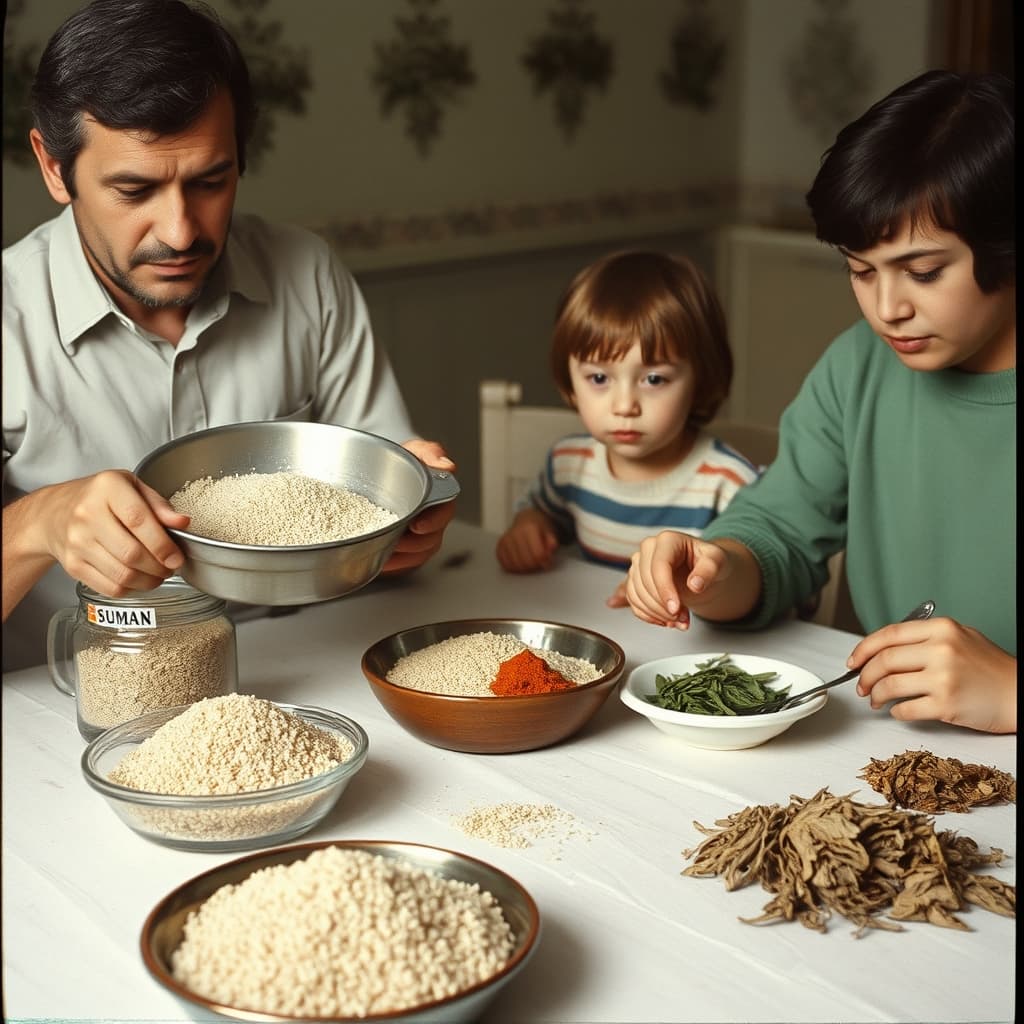
Sumac kısır can feel especially meaningful when seasons change because the bowl registers what is available. Spring herbs, summer tomatoes, autumn peppers, stored paste, greenhouse greens, and the acidity of a new sumac batch alter colour, aroma, moisture, and texture. The family recipe may keep its name while the actual dish shifts. Documenting those changes is more useful than treating variation as a mistake.
Kısır varies by region, household, bulgur grade, hydration, paste, oil, sumac, citrus, pomegranate molasses, herbs, vegetables, spice, and serving occasion. Some versions are drier or wetter, redder or greener, sharply tart or mild. Ingredient lists, market receipts, garden calendars, measurements, photographs, and maker testimony should identify one preparation without claiming a universal formula.
Bulgur Hydration Sets the Structure
Fine bulgur absorbs water and other liquids, but the rate depends on particle size, temperature, amount, time, and later ingredients. Too much water creates paste; too little leaves a hard centre. Tomato, lemon, molasses, and chopped vegetables add further moisture. Recording weights, water temperature, rest time, and final yield makes a family method teachable without removing experienced judgement.
Bulgur is made from wheat and contains gluten. It should not be described as suitable for a gluten-free diet. Separate preparation, utensils, containers, and surfaces are needed when cross-contact matters. A different grain produces a different dish and should be named honestly rather than passed off as traditional bulgur kısır.
Sumac Quality Changes More than Sourness
Culinary sumac varies by species, origin, harvest, grinding, salt, moisture, storage, and possible additions. Colour alone does not prove freshness or purity. Purchase from traceable food suppliers, retain labels, and check ingredients. Decorative or wild plants should never be gathered by uncertain identification, because unrelated species and contaminated roadside material can be unsafe.
Tomato and pepper pastes bring salt, acidity, fermentation history, and regional flavour. Pomegranate molasses or lemon changes balance again. Recipes should record whether a product is sweetened, salted, homemade, commercial, hot, mild, concentrated, or diluted. Health and preservation claims should not be inferred from sourness alone; acidity requires measurement when used for food safety.
Seasonal Greens Require Careful Handling
Parsley, spring onion, mint, lettuce, dill, and other additions need sound sourcing, washing, drying, trimming, and clean chopping. Soil, irrigation water, hands, knives, boards, and cloths can introduce contamination. Large bunches left wet at room temperature deteriorate quickly. Preparation should separate unwashed produce from the finished bowl.
Hand mixing can distribute paste and oil evenly, but hands must be washed and wounds covered appropriately. Jewellery and long nails complicate hygiene. Gloves are not a substitute for handwashing and must be changed when contaminated. A spoon, paddle, or measured kneading method can preserve texture while improving hygiene for community service.
Kısır is often served at gatherings where a large bowl remains out while people talk. Temperature and time matter, especially after adding fresh vegetables, herbs, cooked ingredients, or perishable accompaniments. Prepare manageable batches, protect from sun, dust, insects, and repeated handling, use clean serving utensils, and follow current local food-safety guidance for cooling and leftovers.
A Digital Nostalgia Archive can connect the bowl with bulgur source, sumac label, paste recipe, seasonal ingredient calendar, hydration notes, hand movements, serving vessels, allergen information, temperature control, and the names of contributors. Seasonal transitions gave kısır meaning because a stable social form welcomed changing ingredients. Preserving it responsibly means celebrating household judgement while documenting variation, traceability, gluten, hygiene, outdoor service, and the practical conditions that keep a shared bowl safe.