 Eski Pano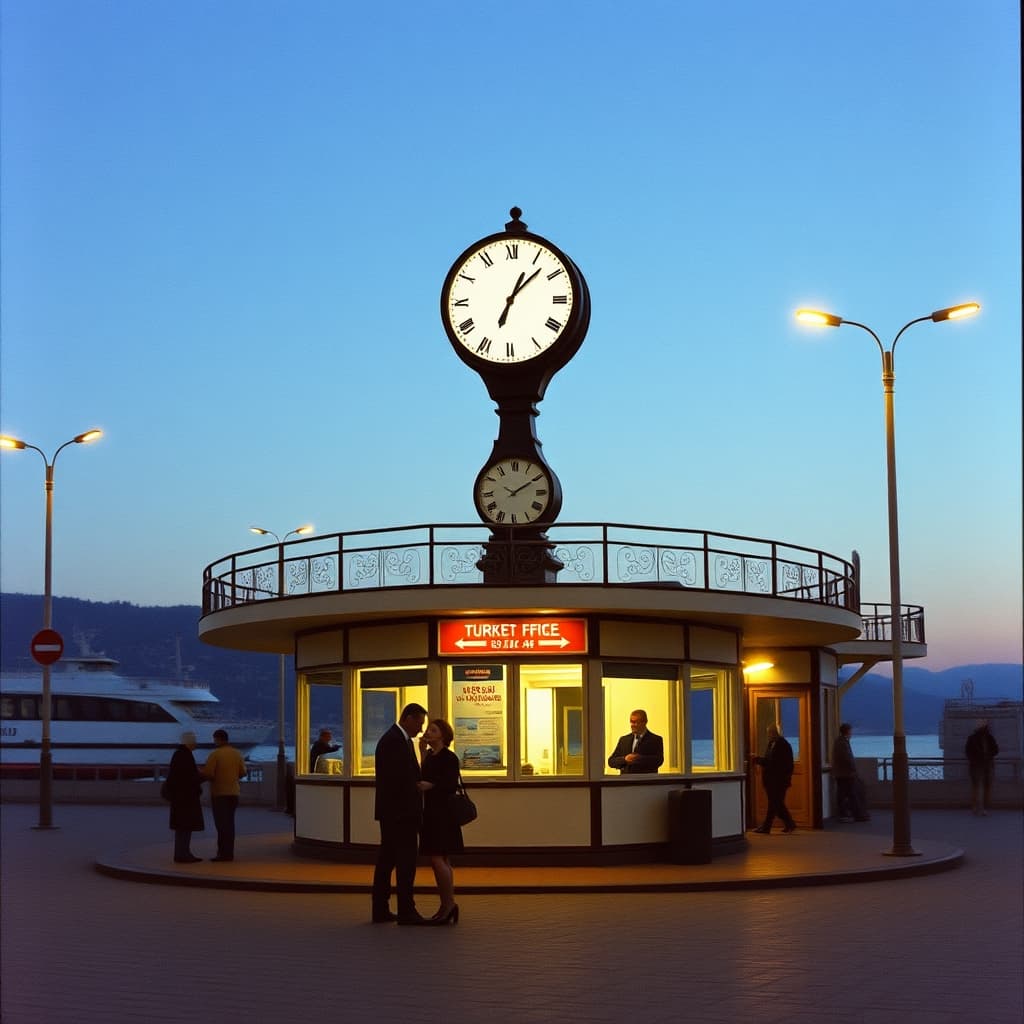
Meeting at a pier square without a mobile telephone looked like a wordless agreement only after many details had been agreed in advance. People needed a date, an approximate arrival, a recognisable landmark, an understanding of ferry delays, and a rule for how long to wait. The meeting worked because public information and personal habits overlapped, not because everyone possessed an instinctive sense of where the other person would appear.
Pier squares differed by city, route, season, redevelopment, transport operator, ticketing system, and period. A small landing, railway-connected terminal, market quay, excursion pier, and metropolitan interchange created different meeting patterns. Timetables, maps, photographs, public-clock records, weather reports, street directories, newspapers, and oral histories are needed before one square represents all urban memory.
The Landmark Had to Survive a Crowd
A clock tower, ticket office, fountain, kiosk, statue, gate, tree, café sign, or lamp could serve as the agreed point. It needed to be visible from several approaches and specific enough that two similar objects were not confused. Construction hoardings, seasonal stalls, parked vehicles, queues, and changed entrances could make a familiar landmark temporarily useless.
Public clocks and personal watches did not always agree. Mechanical drift, maintenance, power failure, daylight-saving changes, and different household clocks could produce several versions of the same hour. Saying after the six o'clock ferry sometimes worked better than naming a minute, but only if both people knew the same route and service pattern.
Delay Needed a Pre-Agreed Response
Wind, fog, mechanical faults, crowds, missed connections, ticket queues, and cancellations could delay arrival. A reliable plan included how long to wait, whether to move to shelter, where to leave a message, and what to do if the final service departed. Without such rules, loyalty could be measured unfairly by endurance in cold, darkness, or unsafe conditions.
Kiosks, cafés, porters, ticket clerks, police points, and nearby shopkeepers sometimes relayed messages, but this informal system depended on memory and discretion. A note could expose names, relationships, or travel plans. Staff were not personal receptionists, and assistance should not be assumed. Public telephones later added another option but required coins, functioning equipment, and a number that someone would answer.
A Meeting Place Was Also Transport Infrastructure
People waiting could obstruct boarding routes, ticket machines, ramps, tactile paths, emergency access, luggage movement, and workers. Clear meeting zones, signs, seating, lighting, shelter, and real-time information improve safety without removing spontaneity. Edges near water, moving vessels, slippery surfaces, ropes, vehicles, and crowded gangways require particular care.
Accessibility shaped who could participate. Steps, steep gangways, long standing, small print, inaudible announcements, inaccessible toilets, and distant transfers excluded many travellers. Companions could help, but an inclusive system should not depend on family assistance. Step-free routes, visual and audible updates, staffed support, and seating make an old social ritual available more equally.
Night meetings required working lamps and a safe journey beyond the square. Poorly lit streets, harassment, weather, reduced evening transport, and the final ferry affected women, young people, shift workers, and disabled travellers differently. A romantic street-lamp scene should include the labour of transport crews, cleaners, maintenance workers, and people ensuring that passengers could leave the waterfront.
A Digital Nostalgia Archive can connect a pier-square photograph with timetables, landmark maps, clock maintenance, ferry delays, waiting customs, message practices, lighting plans, accessibility, and accounts of missed meetings. The agreement felt wordless because a shared information system had become familiar. Preserving it means keeping anticipation beside uncertainty, public infrastructure, worker assistance, privacy, weather, access, and the practical rule that allowed two people to find each other safely.