 Eski Pano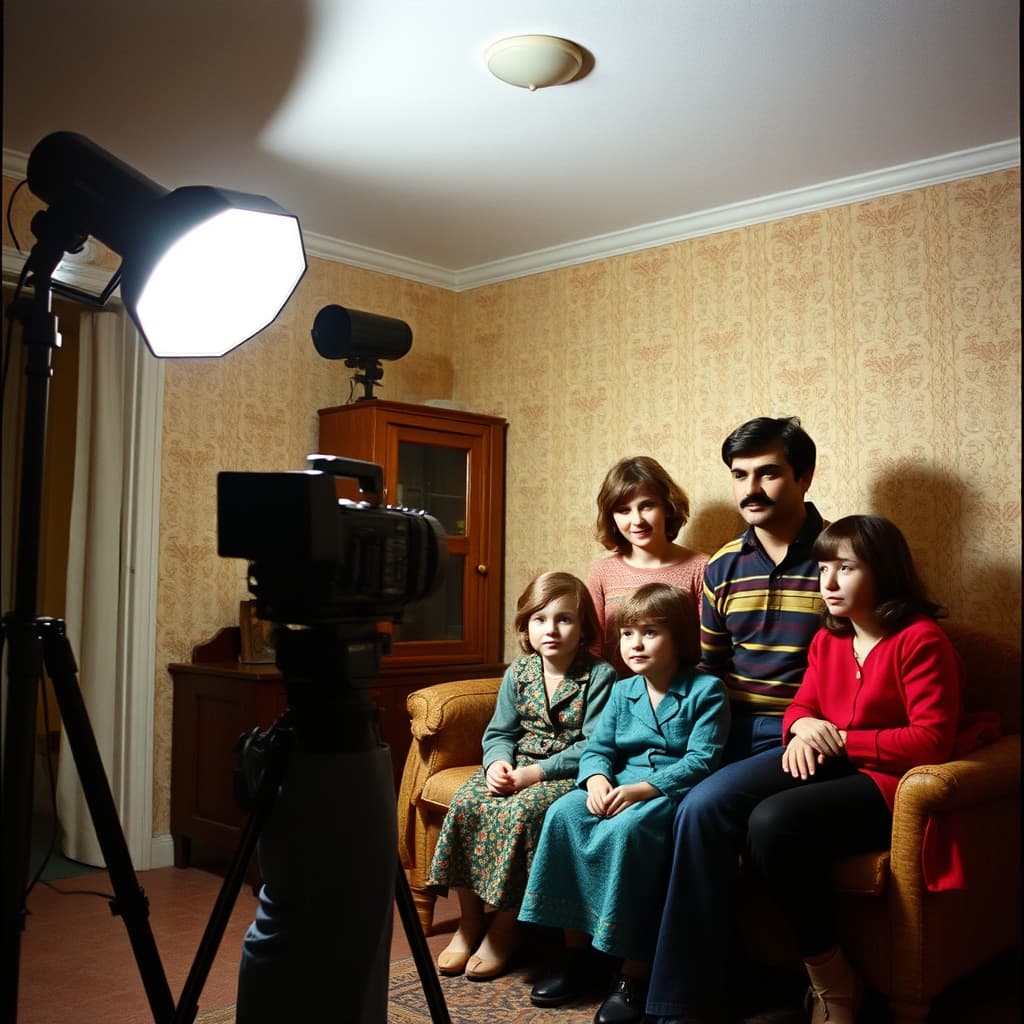
Using a bounce flash at a family gathering felt ceremonial because the photograph depended on more than asking everyone to smile. The photographer looked for a usable ceiling or wall, angled the flash, estimated lost light, arranged people, focused, waited for the unit to recharge, and tried to capture one frame before expressions dissolved. The softened result came from a chain of technical and social decisions.
Bounce flash systems varied by camera, flash head, film format, film speed, metering, guide number, battery, room, and period. Some units tilted but did not swivel; others used flashbulbs, cubes, electronic capacitors, automatic sensors, or manual calculations. Manuals, equipment photographs, negatives, contact sheets, print notes, and photographer testimony should identify the actual method.
The Ceiling Became Part of the Light Source
A white, low, matte ceiling could return broad light, while a high, dark, wooden, coloured, glossy, or uneven surface absorbed or tinted it. The light travelled from flash to ceiling and back to the subjects, increasing distance and reducing intensity. The angle also changed shadow direction and whether faces received enough light beneath brows and chins.
Exposure depended on guide number, film sensitivity, aperture, distance, bounce loss, room reflectance, and sometimes an automatic sensor. Guessing could produce thin negatives, blocked highlights, colour casts, or long recycle delays. Experienced photographers used test knowledge, exposure tables, flash meters, or bracketed frames. A pleasing old print does not prove every attempt succeeded; rejected negatives belong to the history of the session.
Charge Time Organised the People in the Room
Electronic flashes stored energy in a capacitor and required time to recharge. Weak batteries increased the wait, while firing before the ready signal could give less light. During that pause, children moved, older relatives tired, conversation restarted, and the photographer repeated instructions. The ritual's silence was partly the sound of equipment becoming ready.
Old flash capacitors can retain dangerous voltage even after the unit is switched off. Corroded batteries, cracked cables, leaking cells, damaged insulation, and improvised mains adapters create shock, heat, and fire risks. Untrained users should not open a flash housing. A qualified technician must discharge, inspect, and service historic equipment before demonstration.
Soft Light Still Required Consent and Comfort
Bounce light often reduced harsh frontal shadows and red-eye, but it could still be startling, trigger discomfort, or affect people with light sensitivity, migraine, epilepsy, anxiety, or visual conditions. Repeated flashes should be limited, warnings given, and alternatives offered. Babies and children should never be photographed with assumptions about safety based solely on distance or memory.
A family gathering does not erase the need for consent. People may not want to be photographed, posed, touched, moved, or later published. Children require responsible adult decisions and respect for their discomfort. Private interiors can reveal addresses, religious objects, medication, finances, relationships, or other sensitive information. Digitisation and online sharing need a fresh permissions review.
Archival description should connect negative, print, camera, lens, flash model, bounce surface, film, date, room, photographer, pictured people, consent status, and any later colour correction. If exposure or colour is digitally adjusted, preserve an unaltered master and document the derivative. Cropping out the ceiling may hide the very surface that explains the light.
A Digital Nostalgia Archive can link the family photograph with equipment manuals, exposure notes, room sketches, rejected frames, repair history, oral testimony, and permissions. The ceremony mattered because one flash briefly reorganised attention, furniture, and silence. Preserving it responsibly means keeping the softened image beside optical limits, electrical danger, battery waste, eye comfort, consent, and the metadata needed to understand how the light was actually made.