 Eski Pano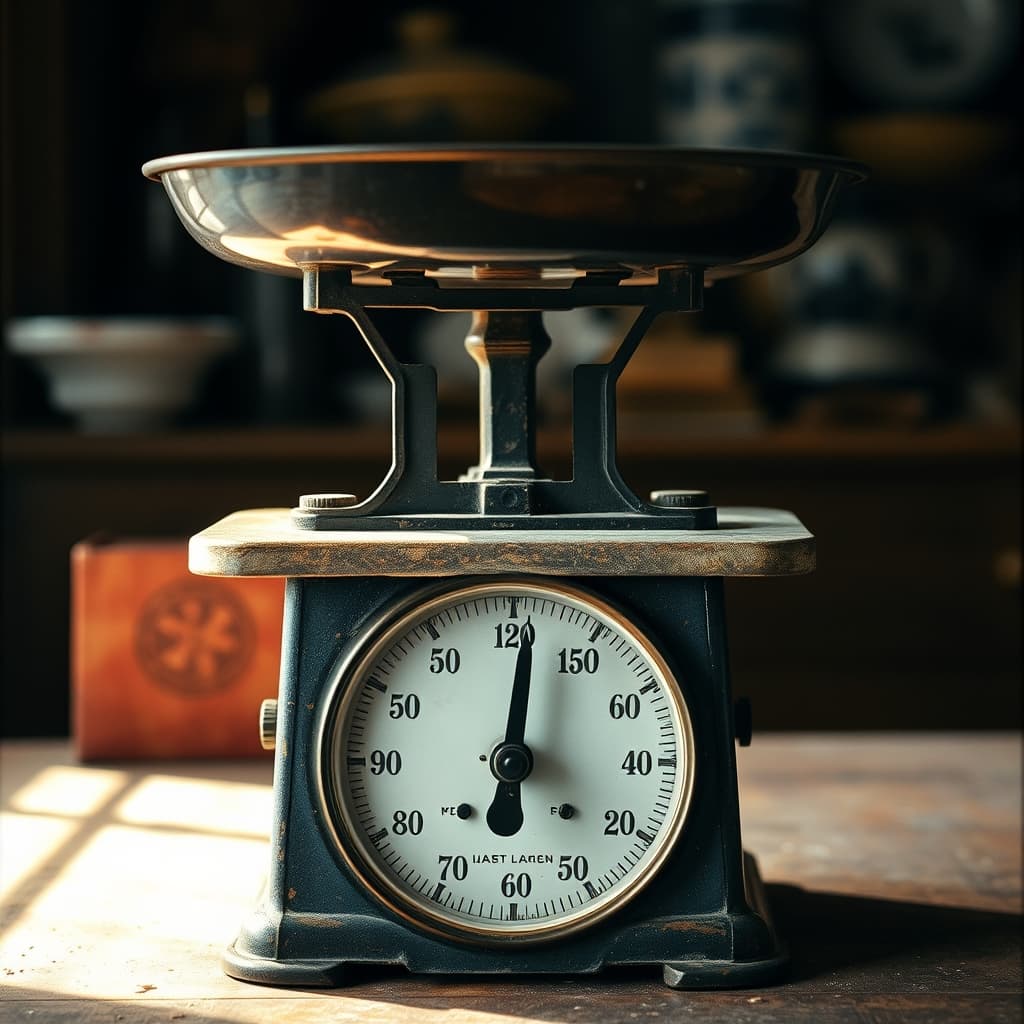
An old scale polished for a holiday can appear to recover its former face, yet brightness is not the same as accuracy or conservation. Abrasive cleaning can remove maker marks, calibration stamps, plated finishes, patina, and the precise geometry of working edges. Before touching the surface, the object must be identified as a measuring instrument whose evidence includes both appearance and performance.
Scales include equal-arm balances, steelyards, spring scales, counter scales, postal scales, kitchen scales, platform machines, and later electronic systems. Their pans, beams, pivots, bearings, weights, indicators, damping, and adjustment methods differ. A maker plate, serial number, capacity, graduation, inspection stamp, manual, trade photograph, and service record help define the correct approach.
Metrology Begins with Identification
A complete set of weights may use metric, Ottoman, imperial, local, or trade-specific units. Shape and stamp matter, but appearance alone cannot confirm mass. Mixing weights from different sets creates a convincing display that may be historically false. Catalogue each piece separately, record inscriptions and damage, and preserve the relationship between box, scale, and documented place of use.
Knife edges and bearing surfaces allow a balance beam to move with low friction. Rounding, scratching, polishing, oiling, dirt, or corrosion can change sensitivity and repeatability. These parts should not be filed or buffed for smoothness. A specialist in instrument conservation or metrology should assess whether operation is appropriate and whether adjustment would erase historic settings.
Cleaning Must Respect Every Surface Layer
Iron, steel, brass, copper alloy, nickel plate, enamel, paint, wood, glass, leather, and paper labels may coexist. One cleaner cannot be safe for all. Metal polish can lodge in joints and inscriptions, stain porous materials, remove plating, or accelerate later corrosion. Water can swell wood, lift labels, and enter mechanisms. Household acids, alkalis, abrasives, and rust converters may cause irreversible change.
Begin with photography, condition mapping, and loose-dust control using methods appropriate to the material. Active corrosion, flaking paint, unstable plating, mould, pests, and unknown residues require professional advice. The aim may be stabilisation rather than shine. A dark surface can be an original finish or long use, not dirt waiting to be removed.
Calibration and Legal Use Are Separate Decisions
A scale can look level and still measure incorrectly. Zero, repeatability, linearity, sensitivity, off-centre loading, friction, temperature, and the accuracy of test weights all matter. Museum demonstration should be labelled as such. Calibration requires traceable standards and documented procedures; placing known groceries on the pan is not sufficient evidence.
A historic scale used for selling goods may be subject to current legal-metrology rules, inspection, sealing, approved classes, and consumer-protection requirements. A conservation repair does not automatically make it lawful for trade. Owners should consult the responsible authority and use a compliant instrument for transactions rather than relying on heritage appeal.
Display must support the base, beam, pans, weights, and any glass cover without stressing pivots. Heavy loose weights can fall or injure visitors. Children should not swing pans or place fingers near moving mechanisms. Barriers, replicas, digital demonstrations, and clearly separated handling objects allow interpretation without damage.
A Digital Nostalgia Archive can connect the scale with maker data, unit system, inspection marks, weight inventory, condition map, cleaning tests, calibration history, trade context, legal status, and display decisions. Craft and patience remain visible when conservation resists unnecessary shine. Preserving an old scale means protecting its marks and mechanism while being honest about accuracy, legal use, and the limits of what cleaning can restore.