Eski Pano
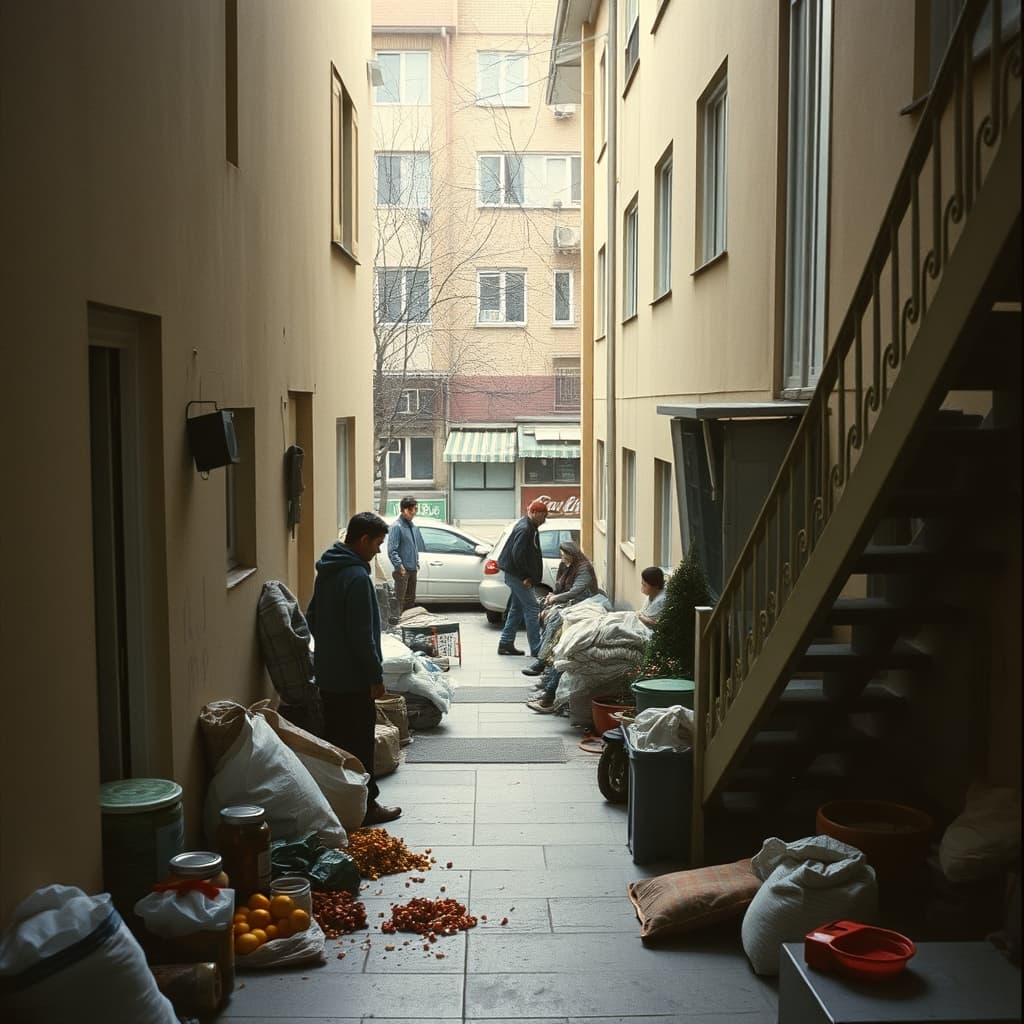
There was a time when, as certain autumn weeks arrived, the sound of apartment buildings changed. Cloths spread over balcony railings, jar lids waiting on window ledges, sacks carried up and down stairwells, and the smells of cinnamon, tomato, and soap drifting from half-open doors all announced the same seasonal news. While the flower-scented streets had not yet fully turned cold, a quiet yet determined preparation for winter began inside homes. In one flat tomato paste simmered, in another wool blankets were aired out, and on a different floor the lid of a pickle barrel was tightened. What made this bustle memorable was that no one treated it like a grand ceremony, yet everyone naturally became part of everyone else’s work.
Seen in the trail of time, these preparation weeks represented one of the shared rhythms of urban life before it became so individualized. In the years when apartment living was still settling into cities, neighborliness was not limited to holiday greetings or brief elevator nods. It was a form of togetherness in which daily tasks remained visible to one another. Old newspapers spoke of rising coal prices, preserving season, stove-pipe cleaning, and winter vegetables piled on market stalls, but what they really described was a seasonal economy. People did not prepare only for their own flats; they also sensed what the next door might need. Who had the best peppers, who added chickpeas to pickles, who left curtain washing for which day, all of it formed the invisible knowledge of the building.
These weeks brought apartments together because the tasks involved were the kind that rarely ended easily alone but became lighter when shared. One person held the jars, one wiped the lids, one fetched coarse salt from the grocer, and one distracted the children. Potato crates left in the stairwell, pots cooling by the doorway, bundles of firewood entrusted to the doorman’s room all became small stations of the same life. For children, this was the season of first learning adult urgency through smell. Walking down the corridor, they caught roasted peppers from one door, mothballs from another, freshly washed blankets from a third. Outside, the scent of chrysanthemums and damp soil became the street’s answer to what was happening indoors.
The quiet habits that reached today were born partly from the unshowy discipline of those weeks. Labeling jars, separating summer and winter clothes before the cold fully arrived, rearranging the house according to the season, respecting the idea of preserving before spoilage, even being able to say to a neighbor, “I set some aside for you,” all belong to that inheritance. Supermarket shelves now promise the same order in every season, apartment doors stay closed more often, and many preparation rituals have become invisible. Still, in many homes, autumn brings the urge to clear a shelf, store the extra, share a pot, and prepare with care. These are not loudly declared traditions, but behaviors filtered down from an older rhythm.
Perhaps what the flower-scented streets left to the present was the courtesy of counting one another in while preparing for winter. Because those apartment weeks were never only about stocking supplies. They were about meeting the season together and turning domestic labor into a visible part of shared memory. Footsteps rising through the stairwell, doors opening and closing at the same time, covers fluttering on balconies, and cool wind entering from the street all described a common way of living. That is why those weeks are remembered today not simply as household work, but as a fragrant, patient, and graceful form of living side by side in the city.
The Weeks When Winter Preparations Brought Apartment Buildings Together on the Dusty Shelves of Memory: Which Quiet Habits Did the Flower-Scented Streets Leave to Today