Eski Pano
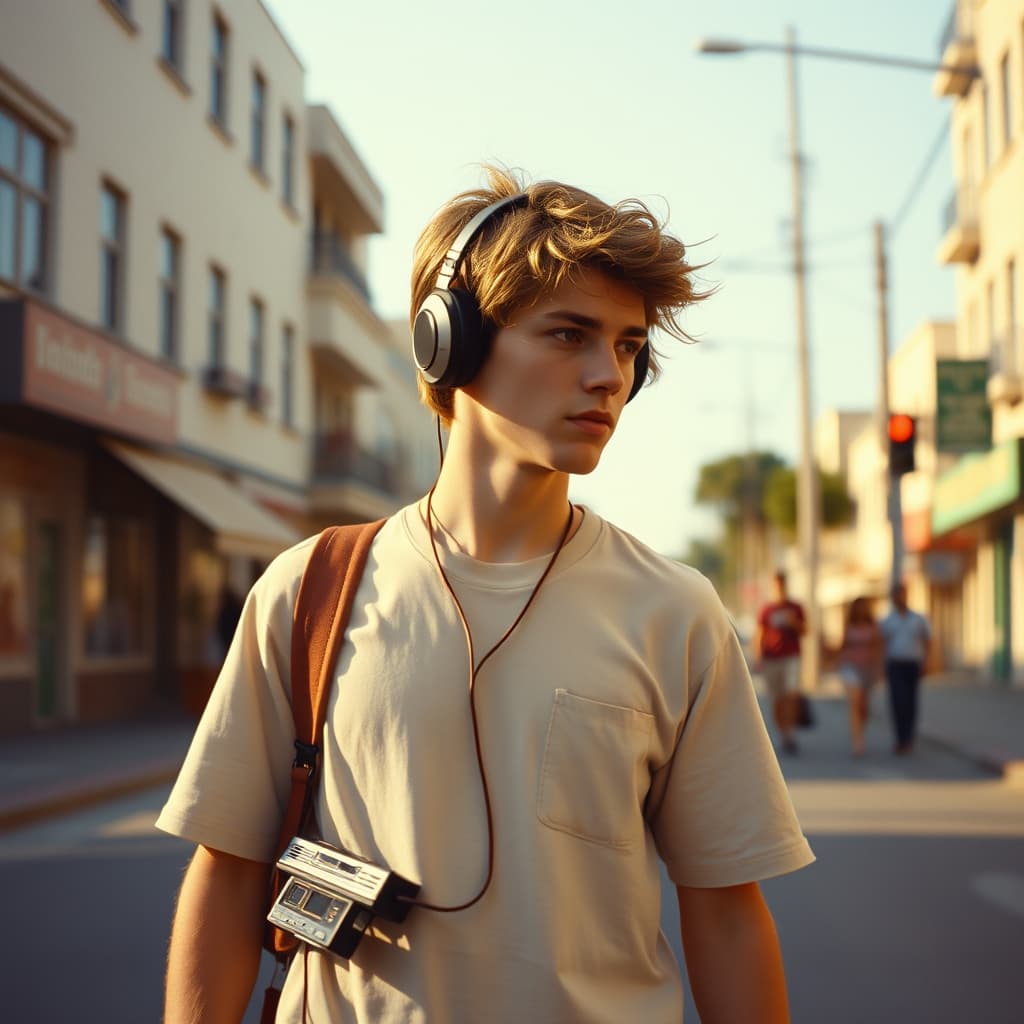
There was a time when, on late summer evenings, young people returning home from the street carried a small music device on a shoulder, in a hand, or beside a desk. A walkman was never just a gadget; it was the clearest sign that a person could carry a small private world along with them. The foam on the headphones did not always sit perfectly, the cassette sometimes wavered slightly, and when the batteries weakened the sound slowed down, yet the feeling of the device remained intact. The phrase hope becoming clearer as the antenna turned may sound poetic today, but in those years people really did feel that when static faded, not only the music but the mood inside them gathered itself. As the late summer breeze passed through the street, the song inside the cassette blended with one’s inner voice and left a trace that was simple yet deep.
As technological heritage, walkmans and similar portable audio devices were among the most important objects of the analog age because they expanded personal space. The tape deck at home created a shared listening order, but the walkman tied sound to the rhythm of a single person’s steps. In that way, the effect of engineering on daily life became strikingly visible: a smaller mechanism, lighter headphones, more portable batteries, and a more personal tempo. For the first time, people could walk down the same avenue while thinking inside entirely different songs. Just as the seriousness of the record button belonged to the era, so did the impatient seconds spent rewinding a cassette. On a bus by the window, on a park bench, or walking alone after school, the walkman was not only used to pass time, but to arrange feeling.
The reason this habit was not forgotten is that the device simplified life while also deepening it. Phones today offer thousands of songs in seconds, but in the walkman era the cassette chosen in advance defined the mood of the day. Which album would be taken along, whether side A or side B would be heard more, whether the batteries would last, whether the pen for rewinding loose tape was in the bag, all of these were small yet meaningful decisions. Carrying music meant carrying an emotional order as well. That is why the first rhythm heard while walking in a late summer breeze carried not only melody, but solitude, the feeling of growing up, mild hope, and an indistinct expectation of the future.
The image of turning the antenna also preserves the memory of radio walkman models. A fine movement was made to find the right frequency, and suddenly a clean voice rose out of the static, making it feel for a brief second as if life itself had also found the correct setting. The same pavement stones, the same apartment facades, the same advertisement boards remained in place, yet the sound entering the ear transformed them into a different scene. This is one reason youthful feeling is remembered so easily. The walkman turned an ordinary walk into a private film. Even if summer was ending, it whispered that something inside the person was still continuing.
Perhaps what keeps this habit unforgettable today is that it represents a period when technology accompanied emotion without yet overpowering life. The walkman was modest; if it did not fit in your pocket, you carried it in your hand, if the cable tangled, you untied it, if the battery died, the sound ended too. Yet precisely because of these limits, every listening felt more intentional, every walk more personal, and every song more lasting. That is why it left a simple but deep mark in the late summer breeze: it drew a person slightly closer to the self without fully cutting them off from the noise of the world. For that reason, walkman days survive not merely as a technological phase, but as the quiet memory of a generation that searched for hope by adjusting the dial.
Walkman Days: Why Was a Habit Growing with Hope Becoming Clearer as the Antenna Turned Never Forgotten, Leaving a Simple Yet Deep Trace in the Late Summer Breeze