Eski Pano
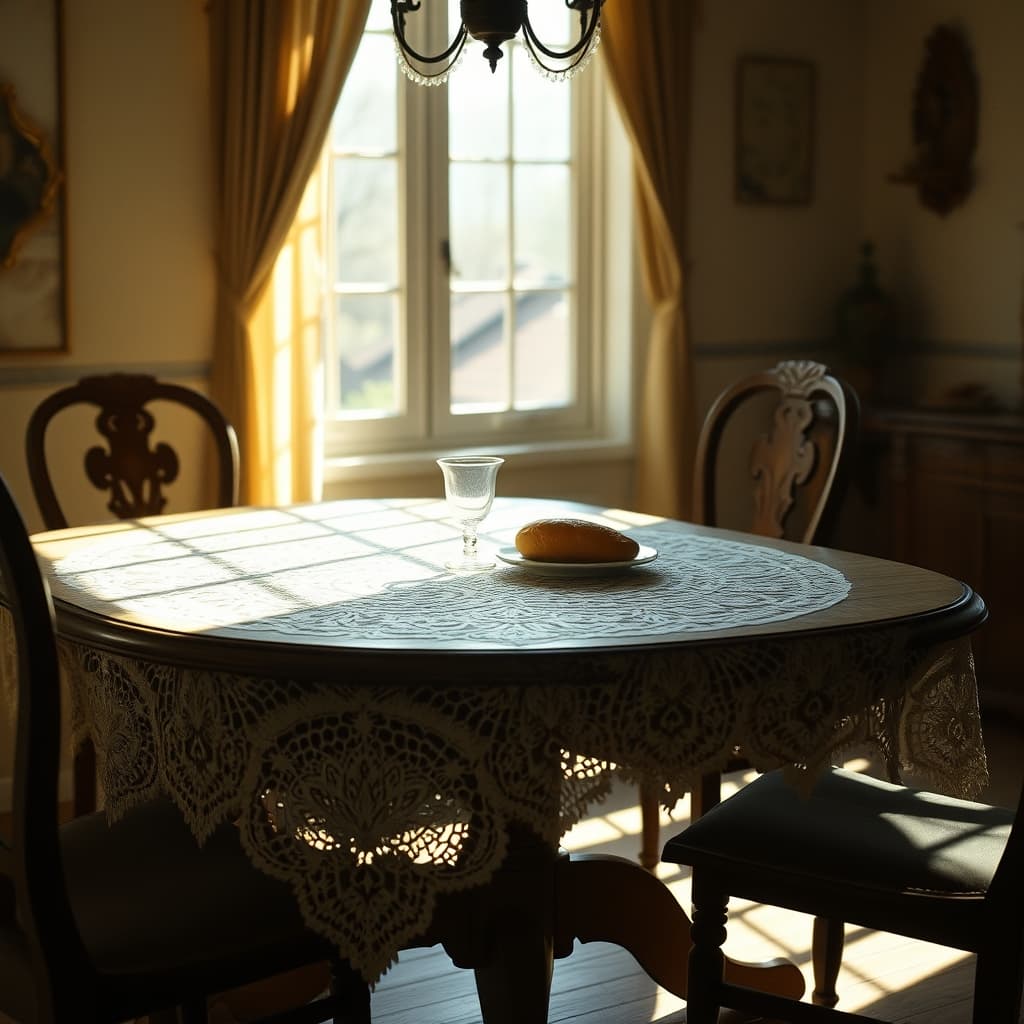
There was a time when one of the quietest yet most defining objects in a home was the tablecloth. Lace ones in particular drew attention without raising their voice, spreading not only fabric over a table but a certain domestic refinement. When sunlight filtered through the curtain, the openwork patterns cast small shadows onto the wood, and the ring of a tea glass, the shine of a jam plate, and the crumbs of bread left the marks of daily life inside those designs. What matters is that this object often belonged not to a display cabinet for special occasions, but to ordinary use itself. The unseen trace it left came from exactly there: it stood in place every day, accompanying family meals, guest conversations, homework hours, and afternoon tea.
In terms of object stories, the lace tablecloth is a strong example of how design blends into ordinary use. Needlework, crochet, and fabric care were for many years not merely aesthetic choices, but visible forms of domestic labor. The curve of an edge, the fineness of the thread, the balance of motifs in the center, and even how much of the wood underneath remained visible all reflected the taste of a period. The reason it draws attention again today is not nostalgia alone. It also reveals the slightly imperfect yet deeply characterful face of handmade work against the smoothness of mass production. When people look at a lace tablecloth, they see not only a table setting, but a life pattern into which time was invested.
The trace these cloths left without being named lived in the way they organized rhythm inside the home. After breakfast the cloth was shaken out, one corner might be straightened, or a second thin fabric placed beneath it. Children used writing pads so pen marks would not transfer to the table, mothers checked with the palm of a hand whether the cloth sat properly before guests arrived, and an aunt skilled with stitching noticed at once when a loop had loosened and repaired it quietly. In that way the lace tablecloth lived as both an aesthetic and a functional object. It gathered stains, was washed, dried, and spread again. Because it served so many purposes inside daily life, it remained constantly visible while often escaping direct discussion.
One reason it attracts attention again today is that within the sterile speed of contemporary interiors, such objects offer warmth and texture. Flat surfaces, monochrome tables, and wipe-clean materials provide convenience, yet the lace cloth brings a slightly imperfect poetry into the room. Its patterns change with the light, depth appears between the fabric and the table, and the object carries the undeniable feeling of having been touched by human hands. For many people it also recalls a grandmother’s trunk, holiday preparations, or the slightly more careful table laid on a Sunday. Design enthusiasts may see it as a retro accent, but its real strength lies in the balance it keeps between ornament and use. It is not too fragile to live with, nor too ordinary to notice.
Perhaps the lace tablecloth is drawing attention again because it recalls not one of the grand symbols of the past, but one of its small habits. The wish not to leave a surface bare while setting the table, the desire to add a little care to ordinary things, and the belief that the central table of a home should be arranged for feeling as well as function all gather inside this object. For that reason, the lace cloth returns not merely as crochet decor, but as a witness carrying the graceful discipline of domestic life. The mark it left unseen is an old line that many people still recognize today when they look for warmth, effort, and continuity in a home.
The Lace Tablecloth and the Trace It Left Unseen Within Everyday Use: Why Is It Drawing Attention Again Today