 Eski Pano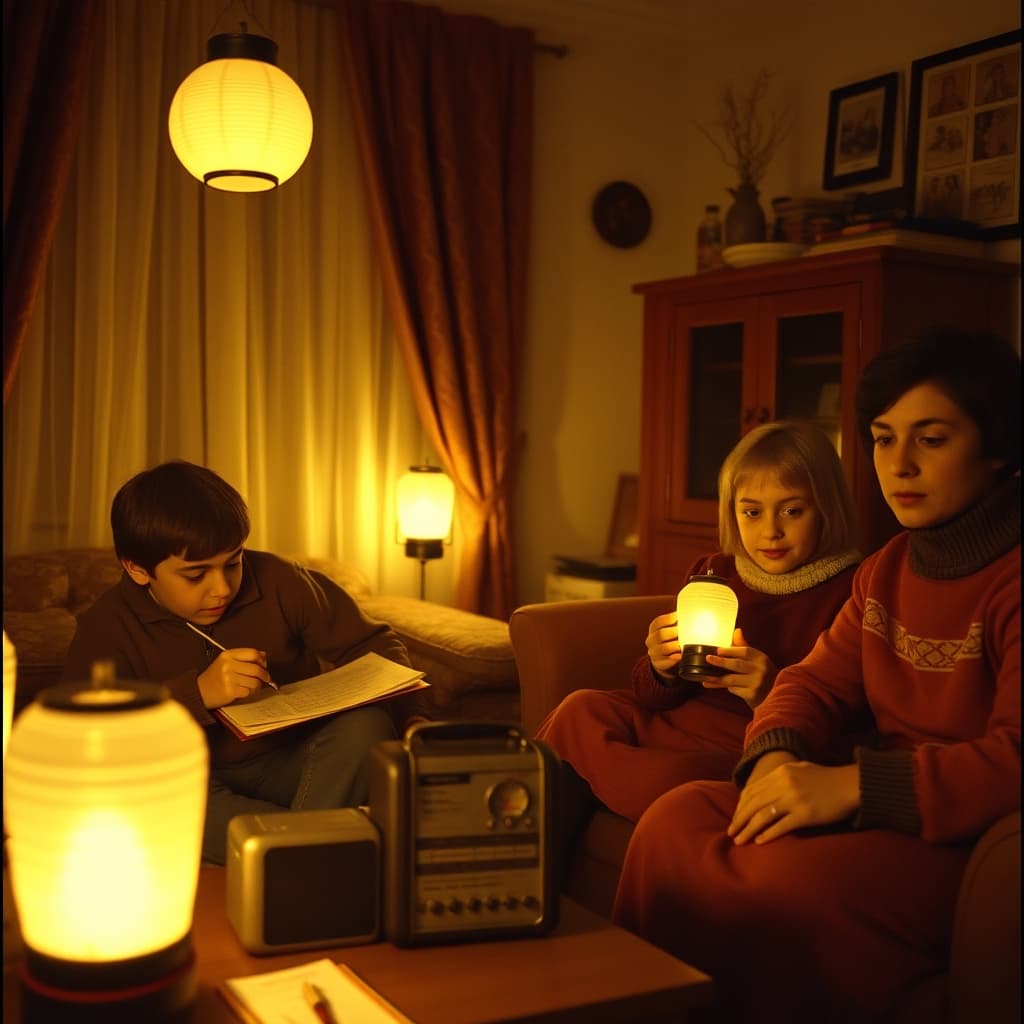
A long winter power cut may be remembered as an evening when conversation replaced television, but darkness and cold also create serious household risks. Candles can start fires, improvised heaters can produce carbon monoxide, refrigerated food can warm, medical equipment can stop, and telephone charging can disappear. A written plan preserves calm without romanticising avoidable danger.
Outages differ by duration, weather, building, heating system, water supply, grid information, household size, and local emergency services. A brief local interruption is not the same as a regional storm failure. Utility notices, building plans, appliance manuals, emergency guidance, weather alerts, outage logs, and household needs should shape preparation.
Safe Light Comes before Candlelight
Battery torches and lanterns should be easy to reach, tested regularly, and stored with compatible spare batteries. Headlamps can keep hands free on stairs. Candles, oil lamps, and open flames add ignition, burn, smoke, and tipping risks; current fire-service guidance should take priority over nostalgic practice.
Keep exits, stairs, corridors, and trip hazards visible. Children need age-appropriate rules and should not search dark rooms alone. People with low vision, reduced mobility, or cognitive differences may need tactile markers, a clear route, and a designated helper. Emergency lighting in shared buildings requires maintenance.
Heating Choices Can Change the Air
Never use charcoal grills, outdoor heaters, generators, or improvised combustion appliances inside a home, garage, enclosed balcony, tent, or vehicle. Carbon monoxide is invisible and odourless. Approved alarms, correct ventilation, appliance servicing, and manufacturer instructions are essential, but an alarm does not make prohibited indoor use safe.
Generators belong outdoors at the distance and location required by current guidance, with exhaust directed away from openings. Fuel must be stored lawfully and safely. Portable electric heaters can overload circuits when power returns; damaged leads, extension chains, covered heaters, and placement near textiles increase fire risk.
Health and Food Need Time-Based Decisions
Anyone relying on powered medical equipment, refrigerated medicine, lifts, mobility charging, or temperature control needs an individual backup plan made with providers and local services. Keep essential contacts on paper. Do not wait for an outage to learn how equipment batteries, alarms, or manual alternatives work.
Keep refrigerator and freezer doors closed and follow current food-safety guidance for outage duration and measured temperatures. Smell and appearance cannot prove food is safe. A refrigerator thermometer and written start time support decisions. Never taste questionable food, and do not place food outdoors where animals, pollution, or temperature swings create new hazards.
Charge communication devices in advance, keep approved power banks maintained, and use official utility or emergency updates. Mobile service may be congested, so agree on a family contact and meeting plan. Check neighbours respectfully, especially where age, disability, isolation, or language creates barriers, without assuming that help is wanted or entering unsafely.
A Digital Nostalgia Archive can connect an outage memory with date, weather, utility records, building systems, lighting, heating decisions, food temperatures, medical plans, communications, neighbour support, and recovery. Conversation may indeed grow when the room goes quiet. Preserving that warmth responsibly means showing how preparation allowed people to talk while protecting air, fire safety, health, food, and a safe route through the dark.