 Eski Pano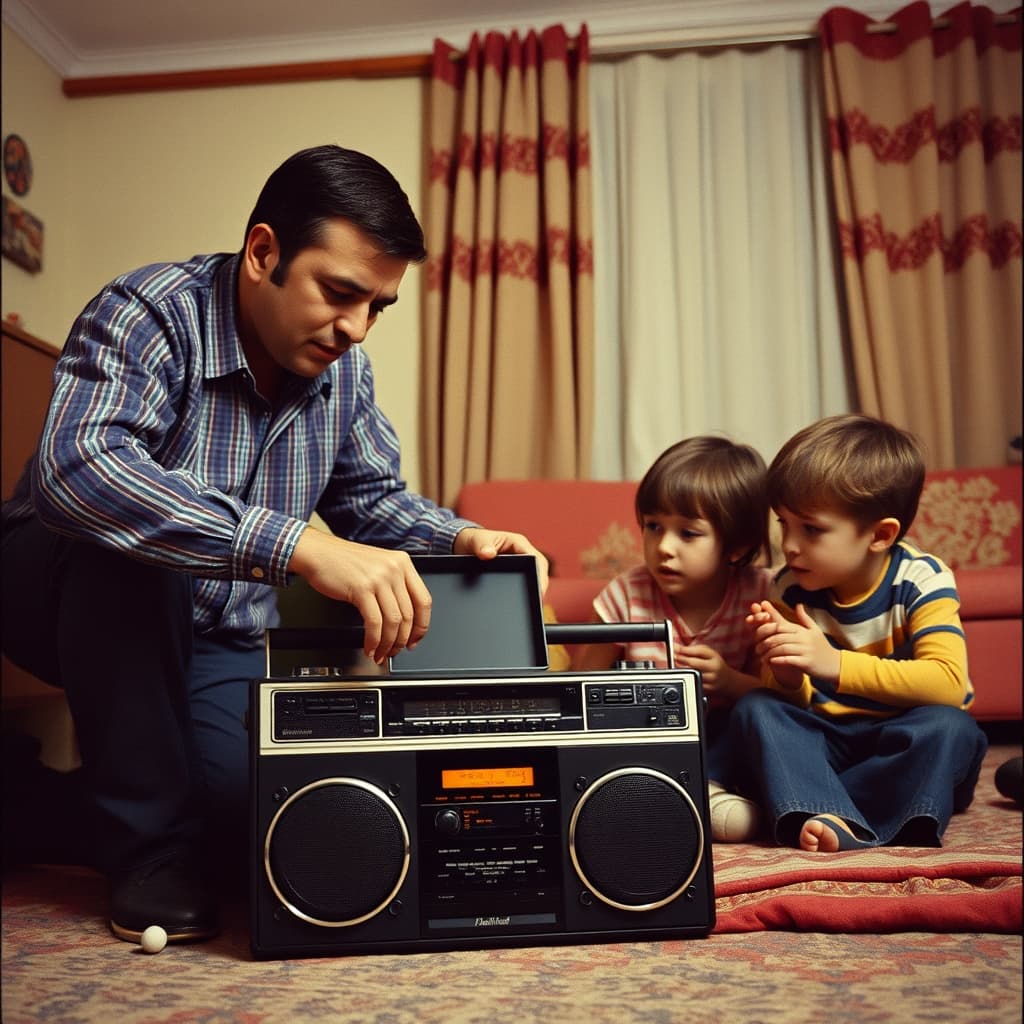
Turning an antenna and waiting for a station to clear could make a boombox feel ceremonial, but the machine also concentrated sound, electricity, moving parts, and large batteries in one portable case. A responsible revival should protect hearing, prevent battery leakage, and avoid powering aged electronics before their condition is understood.
Boomboxes vary by decade, radio bands, cassette decks, amplifier power, speaker design, voltage, battery size, regional wiring, and previous repair. A compact mono set and a large twin-deck stereo do not present identical risks. Model plates, manuals, circuit diagrams, battery compartments, repair labels, and ownership history establish the actual unit.
Loudness Is a Dose, Not a Mood
Hearing risk depends on sound level, distance, and duration. Distortion is not a reliable warning, and music can feel pleasant while still being excessive. Begin low, increase only as needed, shorten exposure as volume rises, take quiet breaks, and follow current hearing-health guidance. Children need particular protection and should not control maximum volume unsupervised.
Moving farther from speakers usually reduces exposure, while placing the unit near reflective walls can create uneven sound. Old headphones may have damaged insulation, poor fit, or unexpected output. Ringing, muffled hearing, pain, or discomfort are reasons to stop and seek appropriate advice, not signs of an authentic listening session.
Battery Compartments Can Hide Chemical Damage
Remove old batteries before testing. Swelling, crust, liquid, corrosion, heat damage, or strong odour require isolation and appropriate handling under local battery guidance. Do not touch residue with bare skin, mix battery types or ages, recharge cells not designed for it, or dispose of batteries in household waste where prohibited.
Battery leakage can travel into wiring and circuit boards. Cleaning methods depend on chemistry and materials, so an improvised household mixture may spread damage. A qualified technician should assess severe corrosion. Store the boombox without batteries for long periods unless the manufacturer and maintenance plan require otherwise.
Mains Power Requires an Electrical Inspection
Brittle cables, cracked plugs, incorrect voltage selectors, missing fuses, exposed conductors, degraded capacitors, and amateur modifications can cause shock or fire. Do not simply connect an attic find to the wall. A competent repairer should inspect it, using correct replacement parts and electrical-safety procedures.
Ventilation slots must stay clear. Cassette belts can liquefy, pinch rollers harden, and mechanisms seize; forcing play or rewind may damage a unique tape. Antennas can be sharp or unstable and should be extended away from eyes, children, overhead wiring, and storm conditions. External aerial connections need appropriate installation.
Portable sound affects neighbours, public transport, parks, schools, and workplaces. Shared listening requires consent, reasonable levels, quiet hours, and respect for people sensitive to noise. Broadcasting or publicly playing recordings may involve copyright or licensing rules. Ownership of a cassette does not automatically permit public performance or online distribution.
A Digital Nostalgia Archive can connect a boombox with model, serial number, radio bands, speakers, measured condition, battery damage, electrical inspection, repair, cassette, antenna, listening place, volume practice, and rights information. The ritual survives through tuning, waiting, and shared attention. Preserving it well means letting the machine sound again only when ears, batteries, wiring, tapes, and the surrounding community are protected.