 Eski Pano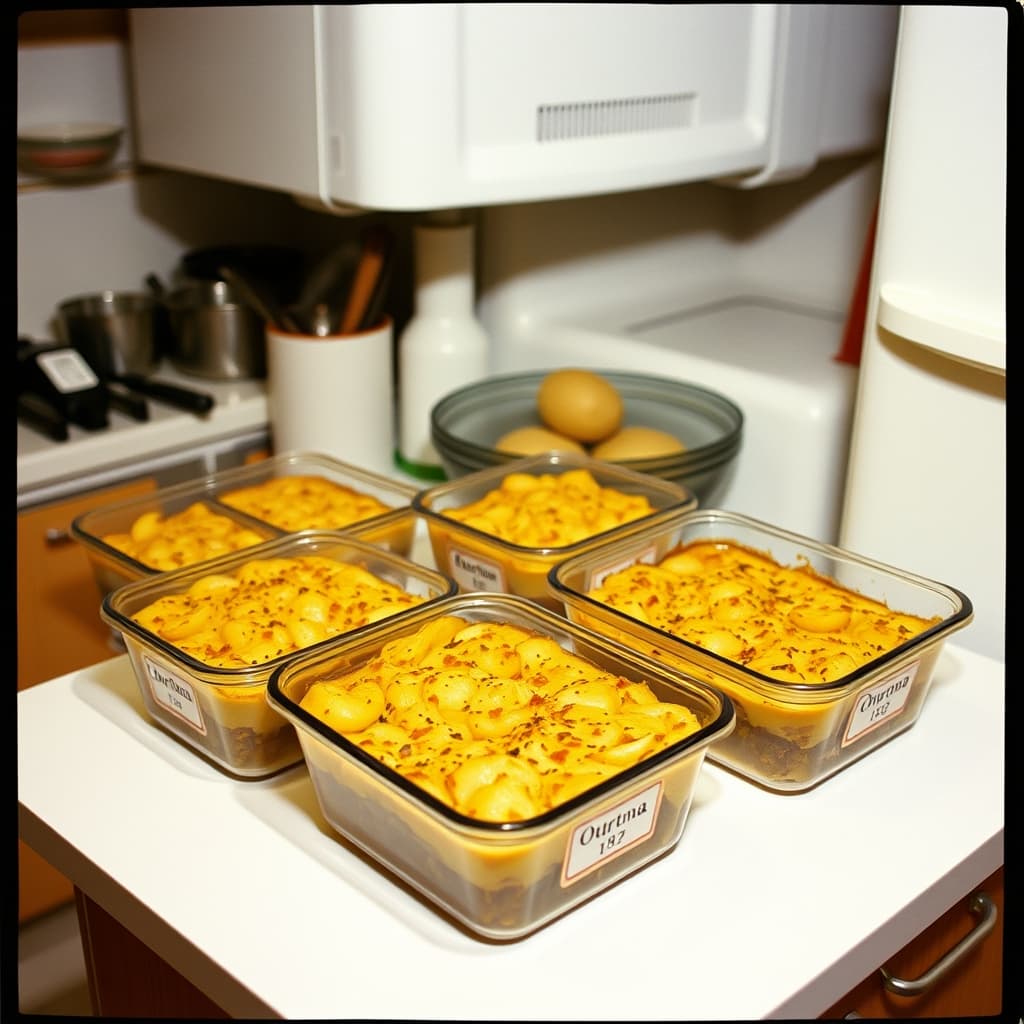
Potato oturtma can recall childhood at the first bite because one baking dish gathered potatoes, sauce, meat or vegetables, and the timing of a household meal. The same generous size creates a food-safety challenge after service. A deep hot casserole cools slowly, and repeated warming can turn a comforting leftover into an avoidable risk if time and temperature are not controlled.
Recipes vary by fried or baked potatoes, minced or diced meat, meatless filling, tomato, onion, dairy, stock, spices, pan depth, and oven. Freshly served food, a refrigerated leftover, a frozen portion, and a room-temperature tray have different histories. Ingredient records, weights, recipe, cooking notes, appliance settings, dates, and storage labels establish what happened.
Safe Leftovers Begin during Preparation
Start with clean hands, surfaces, knives, boards, and produce. Keep raw meat and its juices away from ready-to-eat foods, and follow current local guidance for storage and cooking. Do not wash raw meat in a way that spreads droplets. Thaw ingredients safely rather than leaving them on a counter for extended periods.
Potato colour and sauce bubbling do not prove that every part of a deep dish is cooked. Use a reliable food thermometer where appropriate and follow validated guidance for the ingredients. Ovens have hot and cool zones; overfilled pans and dense cold fillings change heating time. A browned top should not hide an underheated centre.
The Serving Window Needs a Clock
Serve with clean utensils and protect the tray from repeated hand contact. Hot holding must follow applicable temperature rules. Food should not remain on a warm table through a long visit simply because it still feels lukewarm. Decide before the meal which portions will be served, held, cooled, or discarded.
Guests may have allergies or dietary restrictions involving dairy, gluten, celery, stock cubes, spices, or cross-contact with shared pans. Meatless appearance does not prove vegan preparation if stock, butter, or utensils were shared. Keep the ingredient list and answer uncertainty honestly.
A Deep Pan Is a Poor Cooling Container
Large leftovers should be divided promptly into smaller shallow containers so heat can leave more efficiently, following current food-safety time limits. Do not wait for a full casserole to reach room temperature before refrigeration. Arrange containers so cold air can circulate and avoid stacking them while they are still releasing significant heat.
Labels should show dish, preparation date, cooling time, refrigerator or freezer location, and intended use date. A refrigerator needs a working thermometer and should not be overloaded. If the food's time outside control is unknown, appearance and smell cannot reliably prove safety. When in doubt, follow local disposal guidance.
Reheat only the portion needed, using a method that heats it evenly to the recommended temperature. Stir or rotate where possible and verify cold spots. Slow warming, repeated reheating, or adding a little hot sauce to a cold centre is not adequate. Return unused food to safe control promptly rather than cycling it through the table again.
A Digital Nostalgia Archive can connect a potato-oturtma recipe with ingredient sources, weights, cook, pan size, oven, verified cooking, serving period, allergen notes, cooling containers, refrigerator record, reheating, portions, and discard decisions. The dish carried sharing culture because one pan served many people. Preserving that culture responsibly means recording how generosity was matched by careful handling after the first plates were filled.