 Eski Pano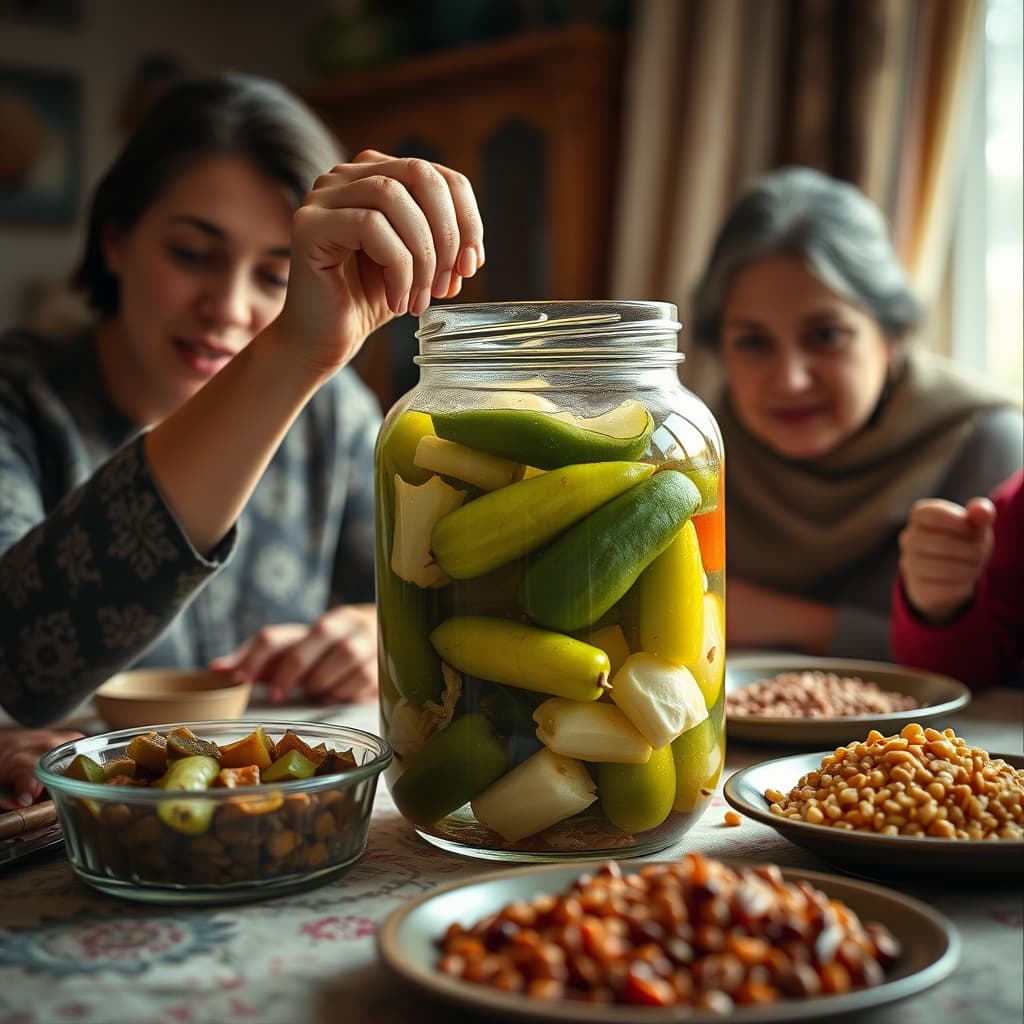
Opening a winter pickle jar changed the room before the first piece reached a plate. Vinegar, garlic, brine and fermented vegetables released a sharp aroma that travelled from table to hallway. For some family members it announced appetite; for others it was overwhelming. The smell carried the earlier season into winter, but it also carried evidence of a biological process that required control.
Turkish turşu includes many vegetables, mixtures and regional methods. Cucumbers, cabbage, peppers, carrots, green tomatoes and other produce may appear alone or together. Some recipes rely strongly on vinegar; others use lactic fermentation in salted brine. These approaches are not interchangeable, and safe proportions should come from a tested method rather than memory adjusted casually.
The Jar Began with Selection and Cleanliness
Sound vegetables were washed and trimmed. Damaged or mouldy produce was discarded, since preserving does not make spoilage safe. Jars, lids, tools and work surfaces needed thorough cleaning. Water quality, salt type and concentration affected fermentation. Iodine or anti-caking agents can influence some processes, while guessing salt by handful makes results inconsistent.
Vegetables had to remain submerged beneath brine during fermentation. Weights, suitable lids and headspace helped manage exposure and gas. Surface growth, leaking or pressure required informed attention. Sealing an actively fermenting mixture without an appropriate system can create dangerous pressure.
Temperature Directed Time and Flavour
Warm conditions accelerate activity; cold slows it. Excess heat can soften vegetables and encourage undesirable organisms. The household therefore chose a cellar, pantry or other stable place and checked the jars rather than abandoning them until winter. Dates and ingredient notes made it easier to understand success or failure.
Not every bubble or cloudy brine means the same thing, and smell alone cannot guarantee safety. Bulging lids, unexpected colour, severe off-odours, slime or signs of spoilage require caution. When in doubt, the jar should be discarded without tasting. Reliable food-preservation guidance is more valuable than saving one batch.
Serving Connected Preservation to the Meal
At the table, a clean utensil removed portions so hands and used forks did not contaminate the jar. The remaining pickles returned promptly to suitable storage. Some households served brine as well, while others used chopped pickles beside beans, rice, meat or simple winter dishes. High salt content made portion awareness important.
The preparation work was often collective. Vegetables arrived in bulk, family members sorted and cut them, and someone took responsibility for monitoring jars. The dramatic first opening depended on this quiet sequence of labour. Recipes passed through observation, but written measurements improved repeatability and safety.
Jar labels also prevented confusion. A date, vegetable list and method helped families rotate older batches first and compare results. Clear labelling became especially useful when several relatives prepared similar jars or when containers were moved between pantry shelves.
A Digital Nostalgia Archive can record vegetable varieties, harvest source, salt concentration, water, vessel, date, temperature and serving customs. Photographs should show labels and storage conditions, not only colourful jars lined up for display. Winter pickles preserve kitchen culture because they make seasonality tangible. Their powerful aroma is not merely a shortcut to childhood; it is the sensory result of produce, microbes, salt, time and household judgement working within a carefully maintained jar.