 Eski Pano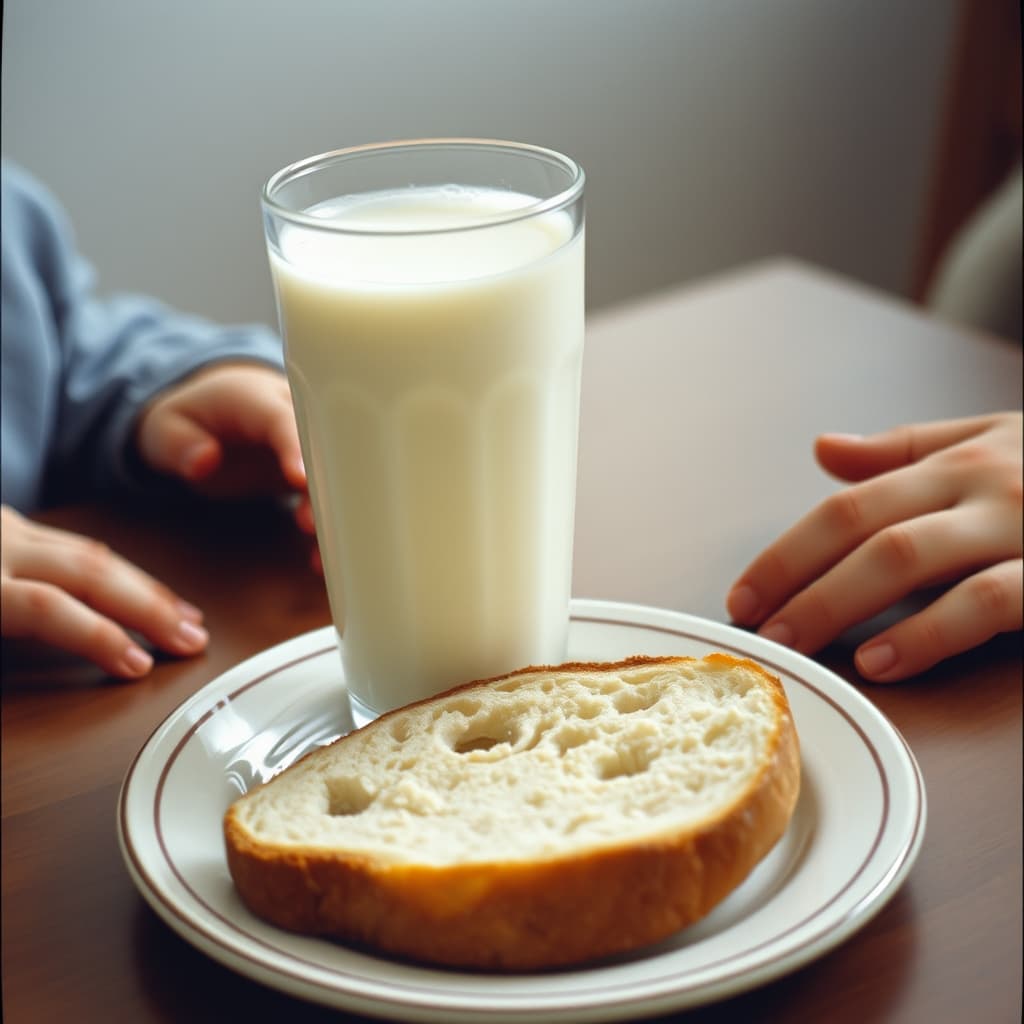
The first mouthful that recalled a day of yayık ayranı did not have to be the drink itself. It could be the food eaten beside it, followed by a sip from a familiar glass. Taste arrived as a sequence: something on the plate, the tang of the drink, and another person still arranging the table. The memory belonged to their combination.
Yayık ayranı carries associations with churning, but the table offers a different perspective from the preparation. For a child, the drink might first be understood through when it appeared and what accompanied it. Its name could be learned later than its place in a meal. A familiar serving could establish recognition before the process was explained.
The Glass Appeared among Other Things
A glass or cup set beside the plate gave the drink a position in the child’s view. Its material and size depended on the household. Remembering one vessel should not turn it into a universal serving tradition. The particular glass mattered because it was the one repeatedly encountered at that table.
The surrounding food also varied. Bread, a prepared dish or a small snack could frame the drink differently. An account becomes more useful when it names the actual pairing, if remembered, rather than inventing a complete spread for atmosphere. Even uncertainty about the food can leave a clear memory of the pause between a bite and a sip.
Churning Was Present without Being the Whole Story
The expression yayık ayranı is used for practices that differ between households and regions. In some, it refers to the liquid associated with churning diluted yoghurt and separating butter; elsewhere the preparation and use of the term differ. A remembered table should therefore be linked to the maker’s account before its contents are described as one fixed method.
A child eating at the table might not have witnessed all that preparation. What felt like the sudden arrival of a drink could follow work carried out earlier. The serving moment makes that difference visible: one person’s first taste was another person’s completed task. The pleasure of the meal need not conceal the labour behind it.
A Sip Interrupted the Bite
The drink’s tang and texture could alter the pace of eating. A mouthful was followed by a different sensation rather than simply another bite of the same food. This contrast helps explain why a remembered meal can return through ayran even when the rest of the menu is less distinct.
Not every child liked the same degree of sourness, and not every serving tasted alike. Preferences could change with age or between visits. A truthful recollection can include hesitation, a glass left unfinished or a request for something else. Childhood food memories are richer when they allow ordinary dislike as well as immediate delight.
The Table Gave the Flavour Its Company
Who sat nearby could be as important as what was served. Someone might finish eating while another person was still taking a seat. The drink belonged within that unequal timing, not outside it as a perfect preserved flavour. A remembered voice or hand reaching for a plate could return alongside the taste.
Encountering yayık ayranı later might recall this arrangement without reproducing it. A different glass, another kitchen and a changed meal could still bring back the earlier sequence. The memory need not prove that the new drink is identical to the old one. What returns is the association: a first mouthful, a sip, and the particular company of a childhood table.