 Eski Pano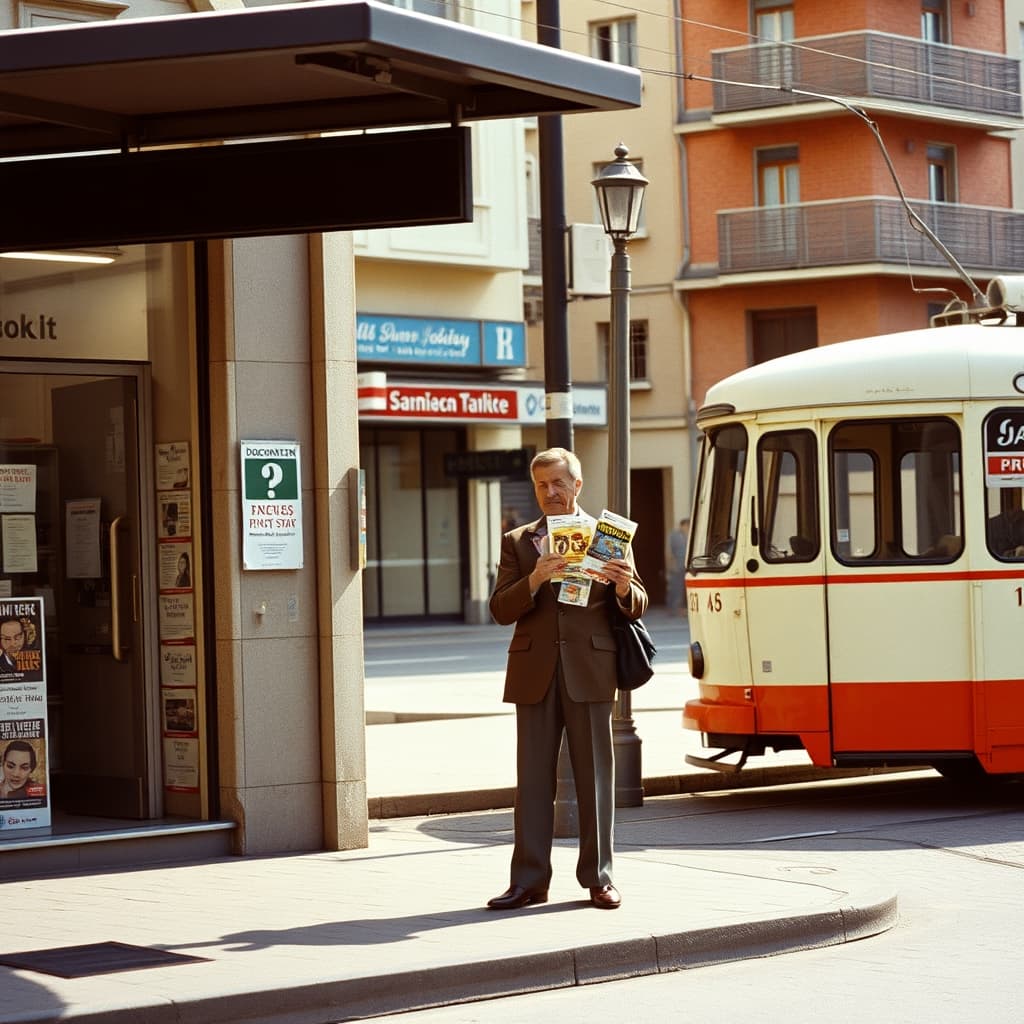
A handbill could turn a blank wall, shop counter or passing hand into a news channel. Concerts, cinema programmes, political meetings, new products, lost property and local services all competed for attention on small sheets of paper. Colour and large lettering helped a message survive the speed of the street, where a reader might offer only a few seconds.
These papers were temporary by design. They announced a date, price or address and quickly lost practical value. That is precisely why surviving examples matter. Unlike formal publications intended for libraries, handbills record the short-lived commercial and civic activity that filled ordinary days.
The Printer Translated Urgency into Type
Local print shops selected paper, type size, ink and layout according to budget and deadline. Letterpress, lithography, offset and later photocopying produced different textures and visual habits. A printer might reuse stock ornaments or improvise around limited type. Misspellings, corrections and uneven ink can reveal haste rather than lack of historical value.
Paper quality often matched intended life. Thin, inexpensive sheets folded easily and could be distributed in quantity. Coloured stock made a notice visible without paying for multiple inks. Printer names, union marks, telephone numbers and address formats help date and locate an item, though researchers should verify businesses through directories and records.
Distribution Was Physical Work
Handbills reached the city through people walking routes, standing near transport stops or leaving bundles with shopkeepers. Weather, police rules, building permissions and pedestrian flow shaped where they could be offered. Distributors carried weight and repeated the same gesture hundreds of times. Their labour rarely appears in the final sheet.
Not every resident welcomed the paper. Unwanted leaflets became litter, blocked drains and added cleaning work. Posting on doors or monuments could damage surfaces. Municipal regulation and property rights formed part of the communication system, alongside the advertiser's desire to be seen.
A Small Sheet Can Hold Large Context
Political and labour handbills may document voices absent from mainstream newspapers, but they require careful interpretation. A claim printed urgently is not automatically factual. The archive should identify author, sponsor, audience and circumstances, and should preserve material from competing perspectives where possible.
Commercial flyers reveal prices, fashions, venues and neighbourhood geography. A telephone prefix, obsolete currency or changed street name can place the object in time. Marks on the reverse may show reuse as a shopping list, bookmark or household note, extending public paper into private life.
Survival was often accidental. A flyer might remain because it lined a drawer, wrapped a small object or stayed inside a book. That secondary use changes its condition and meaning. Archivists should record where it was found, since context can connect an otherwise anonymous notice to a household or neighbourhood.
A Digital Nostalgia Archive can scan both sides at high resolution, record dimensions, colour, paper, folds, tears and provenance, then link the item to maps and event records. Fragile sheets need acid-free folders and limited light exposure. Handbills coloured the city because they moved information through human hands. Their deepest trace is not merely graphic style, but the network of printers, distributors, readers and cleaners who briefly made paper part of the street's daily rhythm.