 Eski Pano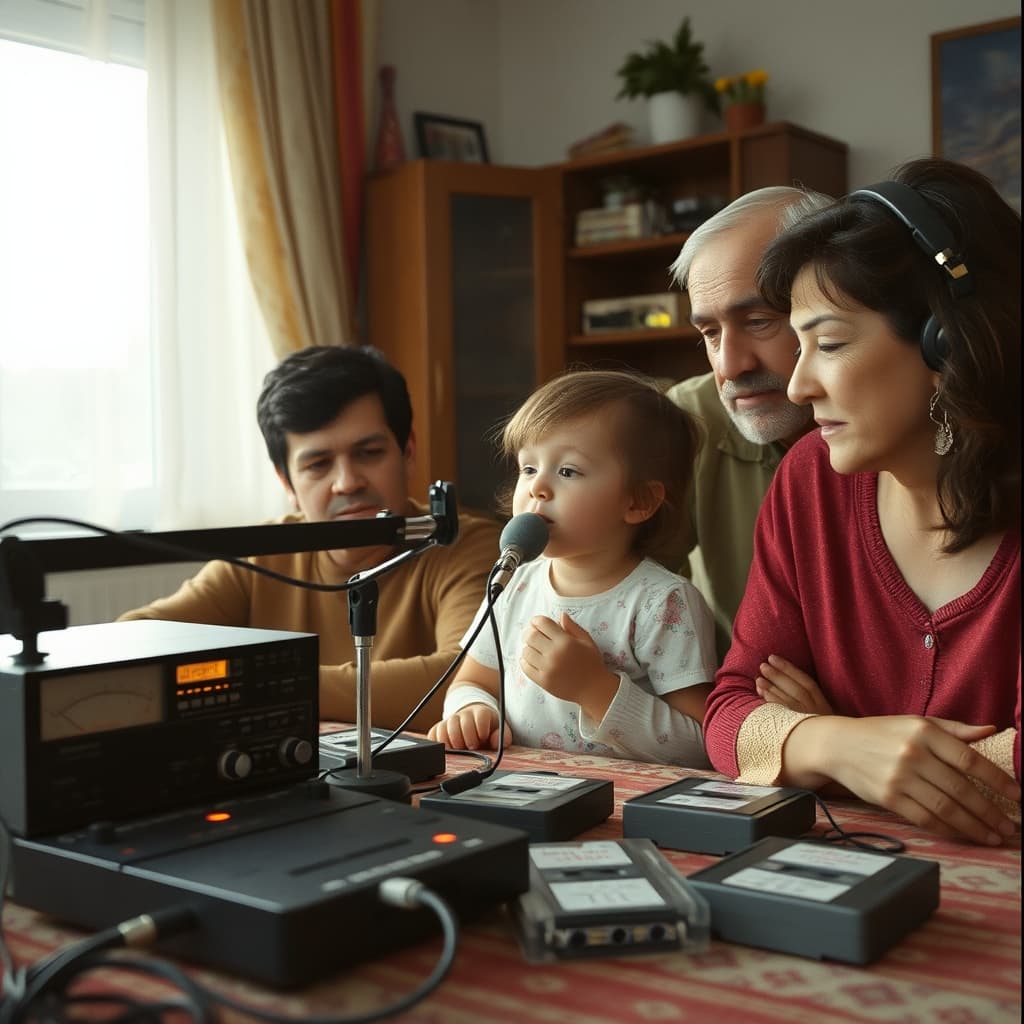
A cassette deck with a microphone changed a household from listener into recorder. A family could capture a child's song, a spoken message, a radio programme or the atmosphere of a gathering. Pressing record made the room suddenly self-conscious. People lowered their voices, moved closer to the microphone or laughed because ordinary speech now seemed important enough to preserve.
Machines ranged from compact portable recorders to separate hi-fi decks connected to external microphones and amplifiers. Some offered one microphone input, others stereo pairs or built-in microphones. The exact model determined what could be recorded and how levels were controlled. A general memory of “the cassette deck” may combine several devices.
Recording Level Shaped What Survived
If the signal was too low, tape hiss dominated quiet voices. If it was too high, loud passages distorted. Level meters and manual controls helped users find a workable range. Automatic level systems simplified operation but could raise background noise during pauses. Microphone distance, room echo and handling noise mattered as much as the dial.
The pause button allowed a user to wait for a radio song or remove gaps from a spoken recording. Timing became a skill. A late release cut the beginning; a slow press captured an announcer or family conversation. These imperfections later became part of the tape's character, though they began as practical mistakes.
The Tape Was Reusable and Vulnerable
Record-protection tabs prevented accidental erasure. Breaking a tab safeguarded a finished side; covering the opening allowed reuse. Families recorded over older material when blank cassettes were scarce. A label might therefore describe only the final layer, while faint previous sound occasionally remained.
Heat, magnets, humidity and dirty mechanisms damaged tape. Pinch rollers and capstans controlled speed, while heads read and wrote the signal. Dirt reduced clarity; worn belts caused slow or unstable playback. Cleaning and repair required correct materials, and demagnetising should not be attempted casually around unknown equipment.
Domestic Audio Needs Context to Become an Archive
A cassette of family voices can be emotionally powerful, but identifying speakers, date, place and occasion is essential. Memories should be gathered while listeners can still recognise voices. Private conversation also raises consent and privacy questions. Not every recording should automatically be published online.
Digitisation protects access but does not replace the original. Playback on a maintained deck, careful azimuth adjustment and high-quality capture can recover more information. A damaged or mouldy cassette should be handled by a specialist, since playback may destroy fragile tape or spread contamination.
Listening conditions after recording also shaped memory. A tape heard through a small mono speaker sounded different from the same cassette on headphones or a hi-fi system. Volume, speaker quality and room acoustics belong in documentation when they explain how a family originally experienced its recording.
A Digital Nostalgia Archive can preserve cassette, case, handwritten label, deck model, microphone and a lossless digital file together. Notes should record capture equipment and any editing. The habit remains memorable because recording joined attention to uncertainty. No waveform appeared on a screen, and the family often discovered the result only during playback. The microphone cassette deck gave ordinary voices a material home, provided someone later remembered which button, tape and story belonged together.