 Eski Pano
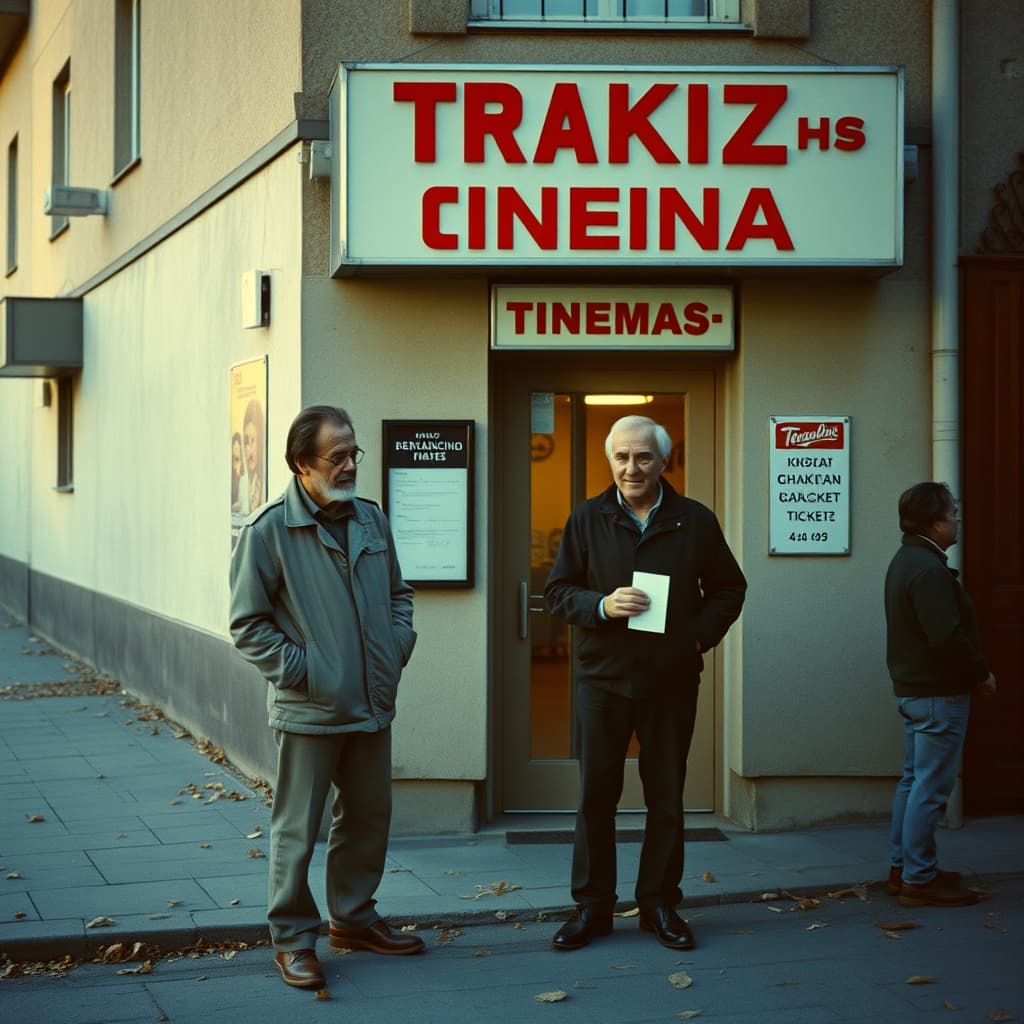
A cinema queue could turn a group of friends into people briefly looking for one another. One reached the ticket window while another waited away from the line. A late arrival searched the entrance rather than the auditorium. Before the film supplied a shared direction for everyone’s eyes, the evening involved locating familiar faces in a moving crowd.
This small separation helps explain why a remembered cinema evening can seem brighter than the details of the film itself. The visit had begun on the pavement, where the company was already part of the pleasure. Recollection may keep the moment of finding a friend more clearly than a scene projected later. That does not make the film unimportant; it gives the outing a beginning outside the screen.
One Person Reached the Ticket Window
A group might ask one member to buy tickets while the others stood elsewhere. Arrangements depended on the venue and its rules; there was no single method for every cinema. The person at the window needed to know how many tickets were wanted and what choices the companions had agreed upon.
Standing apart could mean missing a small decision. A session might be unavailable, neighbouring seats might not be offered, or the available choice might differ from what the group expected. The purchaser then returned with more than pieces of paper: there could be an explanation to give. The evening’s shape was negotiated before anyone sat down.
The Entrance Became a Temporary Meeting Point
Those outside needed a position that the returning person could recognise. A doorway, an edge of the frontage or a particular side of the entrance could become the agreed place. To a passer-by it was merely part of the building; to the group it held a practical meaning for a few minutes.
Crowds made that arrangement imperfect. People entering or leaving could interrupt the view, and a friend might be standing a little farther away than expected. Looking towards the ticket window and then back towards the street became part of waiting. Anticipation included the ordinary concern that somebody had not yet arrived.
The Pavement Offered Its Own Scenes
A queue brought the cinema into the street before the doors admitted the audience. Conversation, people passing and a companion’s attempt to catch another’s attention created a moving foreground. Yellow leaves or an early evening light belong to a particular recollection, not to every cinema visit or to the supplied publication date.
These details could later carry more colour than the inconvenience of standing. Waiting might have been tiring, weather uncomfortable or the crowd difficult to navigate. A fond account need not deny those conditions. It can acknowledge that the remembered reunion and the experience of the whole queue are not identical things.
Sitting Together Was Another Arrangement
Once inside, friends still had to reach the right places. A shared outing did not guarantee adjacent seats. Someone could end up a row away, with the reunion postponed again until the lights returned. The group’s evening stretched across entrances, separate positions and the eventual conversation after viewing.
The cinema queue is therefore more than a picture of eager spectators. It contains small acts of coordination that made a shared visit possible. Finding each other at the entrance briefly resolved them: the tickets were bought, the missing person was visible, and the group could move on. What glows in memory may be that precise instant when an evening stopped being a plan and became company.