 Eski Pano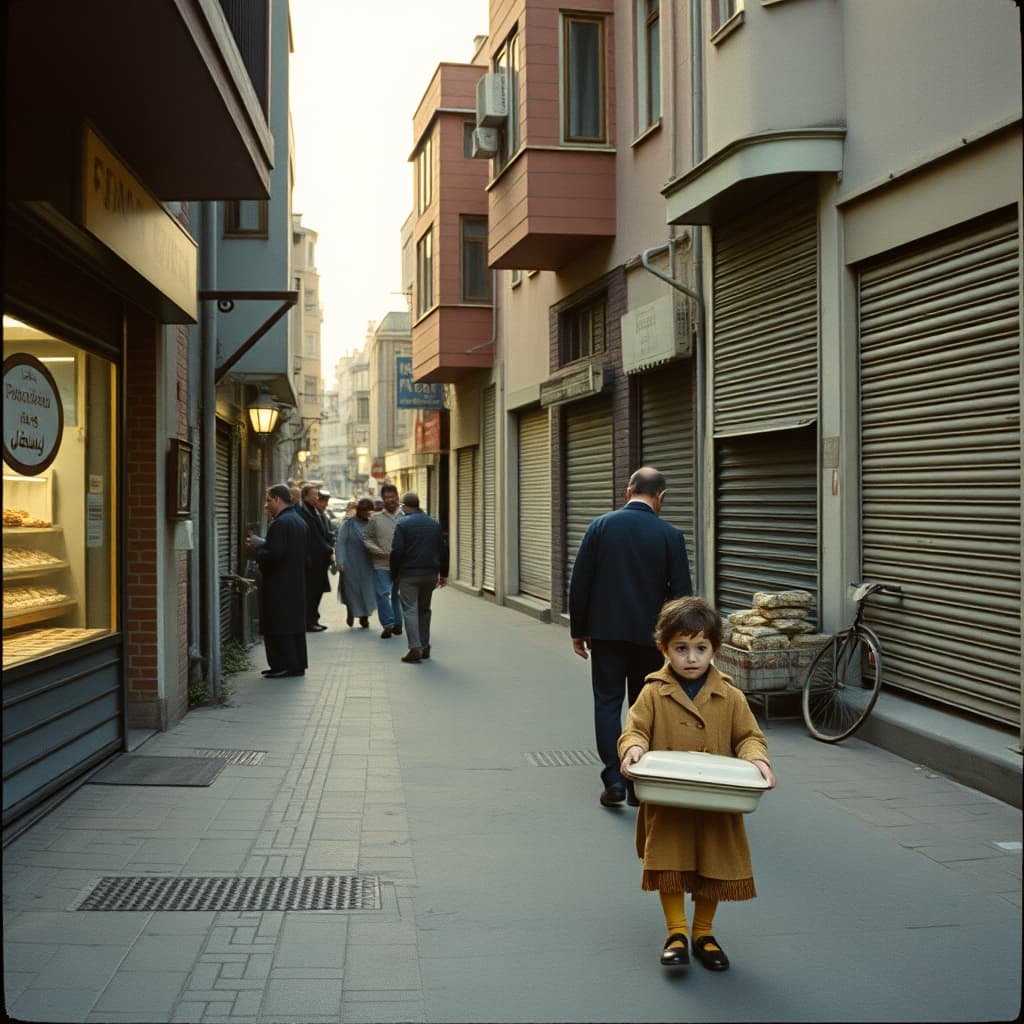
In the hour before iftar, a neighbourhood could feel both hurried and precisely timed. Bread queues lengthened, last ingredients crossed shop counters and children carried covered plates between homes. Kitchens were busy, yet the street also anticipated the sudden quiet that would arrive when the meal began. Movement was organised around a shared deadline.
Ramadan shifts through the seasons, so the light, temperature and length of fasting differ by year. A winter iftar and a summer iftar produce different street rhythms. Holiday days, work schedules and local custom also matter. Any historical account should identify place and period rather than presenting one timeless scene.
The Bakery Queue Became a Clock
Fresh pide or other bread attracted customers close to serving time. Arriving too early meant losing warmth; arriving too late risked missing the table. Bakers handled heat, dough, trays and cash under concentrated pressure. Queue etiquette, accurate change and keeping the entrance clear helped the service function.
Food aromas intensified hunger for people fasting, while others in the neighbourhood might not be fasting because of belief, age, health, pregnancy, travel or personal circumstance. Respect worked in more than one direction: consideration for fasters should coexist with privacy and freedom from public judgement.
Shared Plates Travelled Between Doors
Families sent soup, dessert or a cooked dish to neighbours and expected the plate to return at another time, often with something on it. This exchange expressed care and allowed recipes to cross households. Covered containers, clean utensils and timely delivery mattered because warm food could become unsafe if left for long periods.
The visible carrier was often a child, but preparation usually relied on substantial domestic labour. Shopping, soaking, chopping, cooking, setting the table and washing dishes frequently fell disproportionately on women. The warm street scene should include who had less opportunity to rest before the call to prayer.
The Sudden Quiet Revealed Coordination
As the time approached, shutters lowered, traffic thinned and people accelerated towards home, a restaurant or a communal table. Public transport and emergency workers could not always pause. Restaurants, charities and municipalities organised meals whose logistics included seating, water, waste and dignified service.
After the first minutes, streets slowly filled again. Tea, visits, prayer, shopping and children's play extended the evening. Noise and late activity required negotiation with infants, older residents, night workers and anyone needing rest. A shared calendar did not erase different daily needs.
Water distribution had its own rhythm. Jugs, fountains and bottled supplies needed to reach tables before the meal, especially during hot seasons. Spills, empty containers and queues demanded attention. Reliable access to drinking water was infrastructure, not a decorative detail in the scene.
A Digital Nostalgia Archive can preserve bakery tokens, Ramadan timetables, shop schedules, family recipe notes, photographs and oral histories from cooks, bakers, drivers and children. Ethical photography should not intrude on prayer, hunger or charity recipients. The pre-iftar street remains memorable because countless separate tasks converged on one minute. Its warmth came not from haste alone, but from coordination: bread leaving the oven, a covered plate reaching the next door and a neighbourhood briefly recognising the same point in the evening.